rfid
Categories
Containers for hazardous wasteContainers for oily wasteContainers for flammable substancesLaboratory containersImmersion containersPiston containersOther containersAccessories for containersContainers for removing liquidsContainers for acids and basesBiodegradable waste containersContainers for washing and cleaningContainers for sorbent/sandType I containersType II containers
Fireproof cabinetsSecurity cabinetsCabinets for batteries and accumulatorsCabinets for hazardous substancesCabinets for gas cylindersUnder-table cabinetsCabinets with pull-out shelvesCabinets for personal protective equipment (PPE)Cabinets for plant protection productsWorkshop cabinetsFans and filter fans for cabinets
ATEX lighting
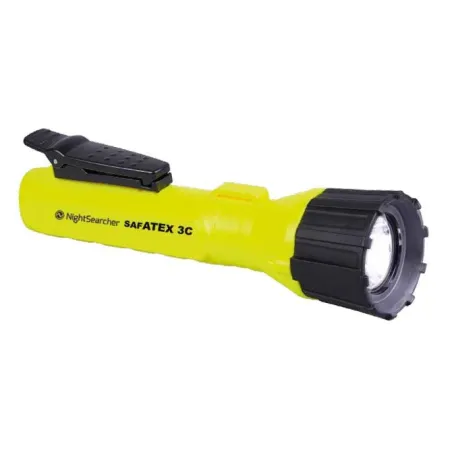
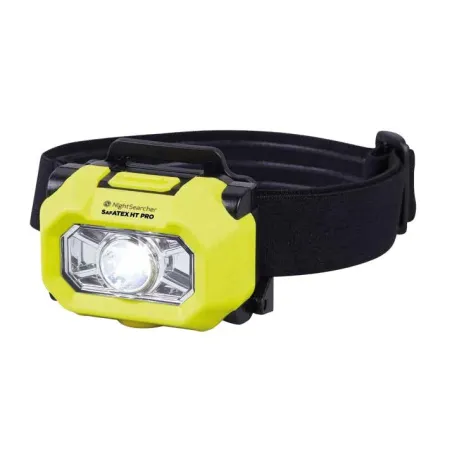
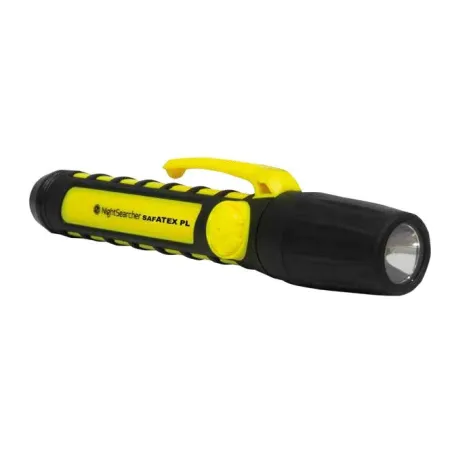
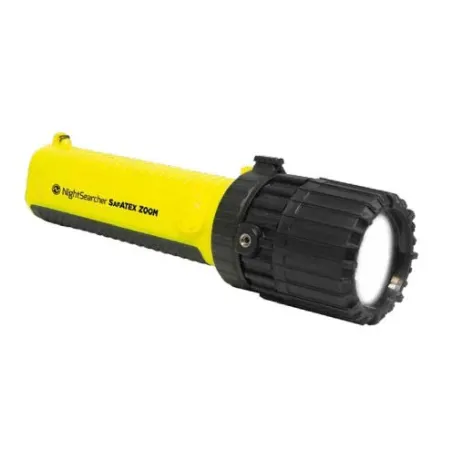
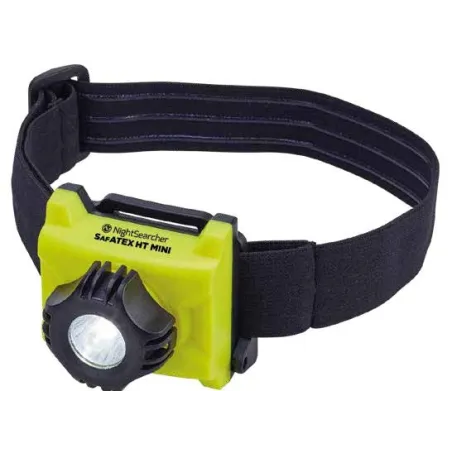
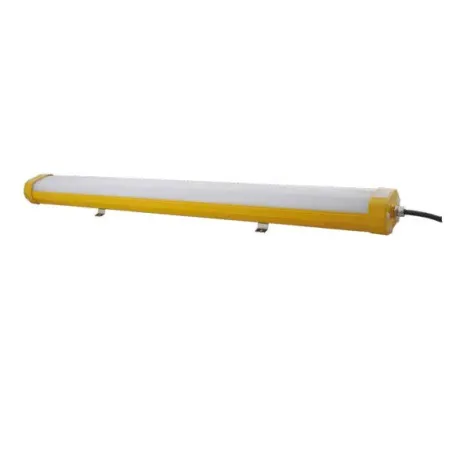
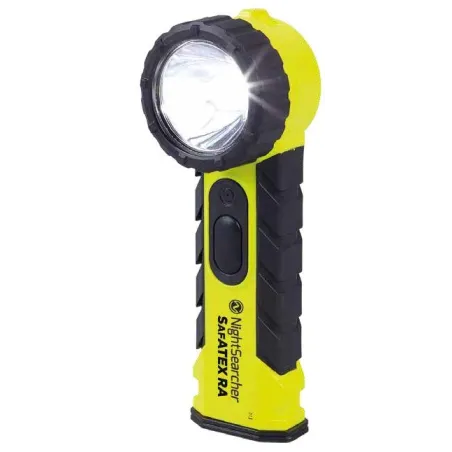
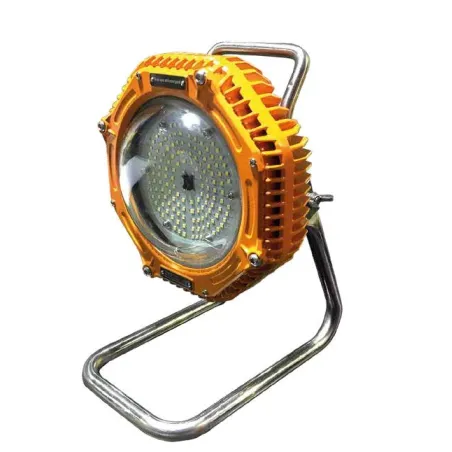
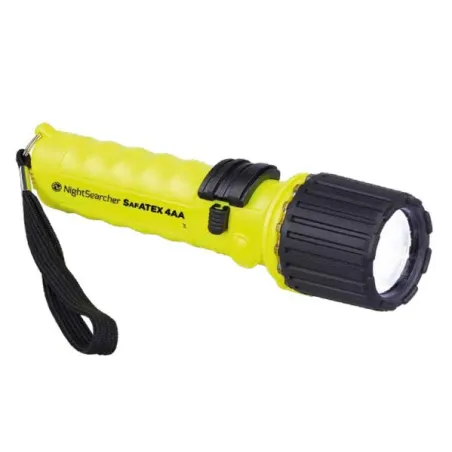
ATEX lighting consists of specialist fixtures and lamps designed to operate in explosion-hazard zones – wherever flammable gases, vapors, fumes, dusts, or mixtures that may cause an explosion are present. ATEX lighting must comply with EU standards and requirements in terms of safety standards. So if you want to be sure that the lighting products you choose are adapted to the regulations, choose the products available at 4safety.
Do you have questions or need purchasing support? Don’t wait and take advantage of the solutions we have prepared right now. You will find detailed technical data in the product descriptions, or you can use the help of our team. We will be happy to answer all your questions and help you match ATEX lighting to the requirements of your company.
9 Products.
Sort by:
What is ATEX lighting and where is it used?
Examples of places where ATEX lighting should be used include:
- chemical industry plants,
- refineries,
- fuel stations,
- technical gas storage facilities,
- halls where hazardous substances are stored.
It is worth emphasizing that the term ATEX defines a category of equipment that meets EU safety requirements. Every luminaire marked with this symbol has undergone rigorous testing and certification confirming ignition resistance and the ability to operate safely in difficult and risky conditions. ATEX lighting must be designed to minimize the risk of sparks and excessive heating.
Using lighting that does not meet the ATEX standard in Ex zones can lead to serious consequences such as:
- fire,
- explosion,
- a direct threat to the health and lives of employees,
- financial penalties,
- the need to suspend the company's operations until lighting that complies with ATEX standards is implemented.
Therefore, investing in certified ATEX lighting is both a matter of regulatory compliance and a key element of the employer’s responsibility toward the team and production infrastructure. Remember that if you have questions or need help putting together the right equipment set, the 4safety team is at your disposal.
ATEX standards and certificates – what do they mean and how to read them?
The basis of European regulations consists of two directives:
- ATEX 2014/34/EU, which concerns manufacturers and specifies design requirements for equipment and protective systems,
- ATEX 1999/92/EC, addressed to users, that is, owners and managers of industrial plants.
Both regulations create a coherent system in which safety begins already at the stage of designing safety zones in the enterprise and ends with the proper operation of equipment in the facility. So if you intend to conduct activity burdened with the risk of an incident, make use of expert help. Don’t wait and contact the 4safety team.
The markings of explosion hazard zones are of key importance:
- For gases, categories 0, 1 and 2 are used.
- For dusts – 20, 21 and 22.
Each of them specifies the frequency and probability of the occurrence of an explosive mixture. Certificates also include:
- Ex symbols (explosion-proof design),
- the IP code indicating the level of protection against dust and water,
- temperature groups,
- gas classification (e.g. IIA, IIB, IIC), which indicate the device’s resistance to ignition of specific substances.
An example of an ATEX certificate notation may look like this: “Ex II 2G Ex d IIB T4 Gb”. This means that you are dealing with a device:
- intended for operation in a gaseous atmosphere (2G),
- in flameproof design (Ex d), d
- adapted to the IIB gas group,
- with a maximum surface temperature of 135°C (T4),
- in protection category Gb.
The ability to read such markings is essential for OHS specialists and technicians responsible for purchasing. If any doubts arise, trust the experience and knowledge of 4safety specialists. Call us or send us a message, and we will guarantee you comprehensive support in equipping your enterprise.
Articles that may interest you
Storage of hazardous substances
Szafy ogniotrwałe – Normy, wymagania i zastosowania - Dokumenty Google
Read more
Odpowiadasz za zabezpieczenia i bezpieczeństwo pracowników w przedsiębiorstwie przemysłowym lub zakładzie produkcyjnym? Inwestycja w szafy ogniotrwałe stanowi zatem jeden z ważniejszych elementów na liście zabudżetowanego wyposażenia.