Safe food production? See how La Lorraine tackled the challenges with 4safety!
Categories
Containers for hazardous wasteContainers for oily wasteContainers for flammable substancesLaboratory containersImmersion containersPiston containersOther containersAccessories for containersContainers for removing liquidsContainers for acids and basesBiodegradable waste containersContainers for washing and cleaningContainers for sorbent/sandType I containersType II containers
Fireproof cabinetsSecurity cabinetsCabinets for batteries and accumulatorsCabinets for hazardous substancesCabinets for gas cylindersUnder-table cabinetsCabinets with pull-out shelvesCabinets for personal protective equipment (PPE)Cabinets for plant protection productsWorkshop cabinetsFans and filter fans for cabinets
Uninsulated containers
18 Products.
Sort by:
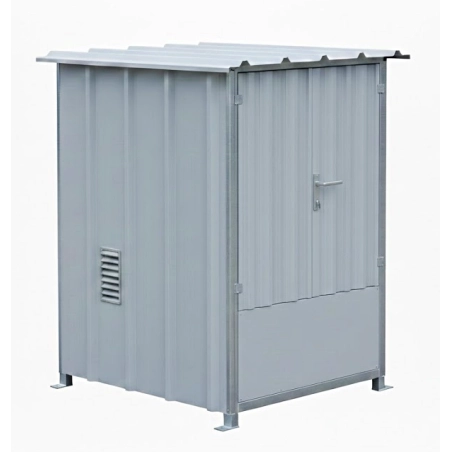
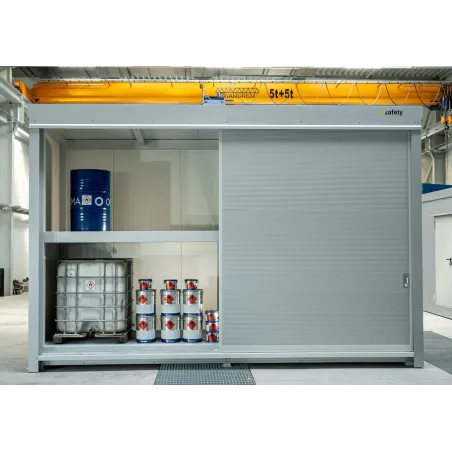
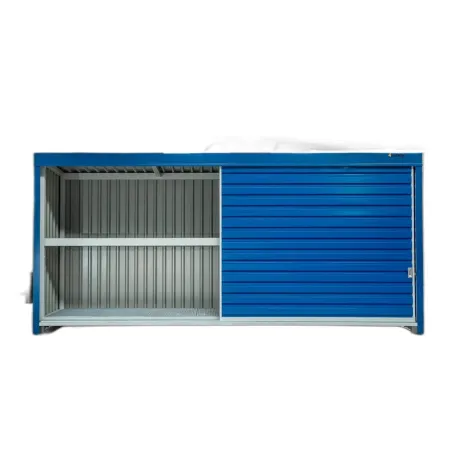
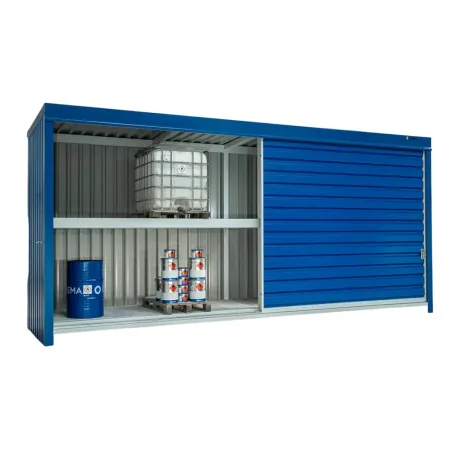
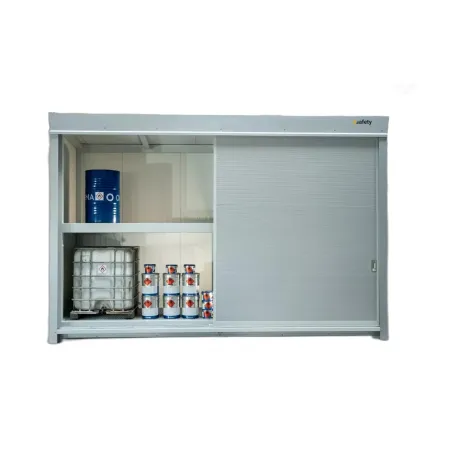
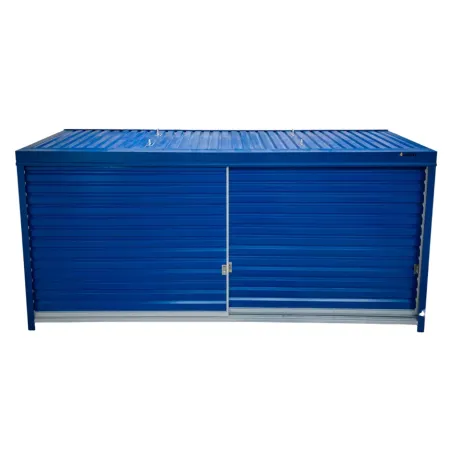
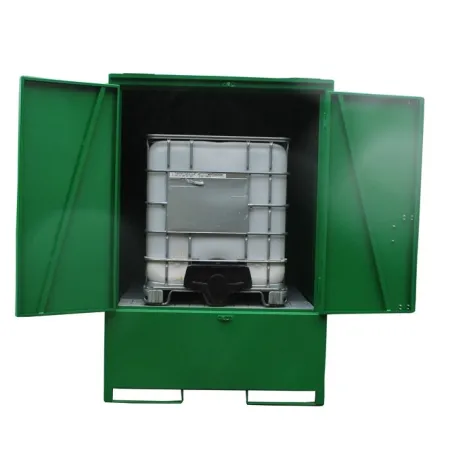
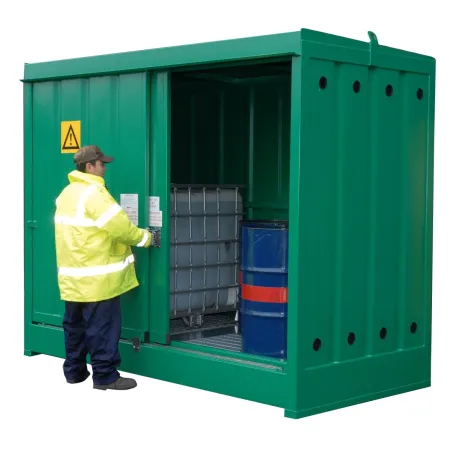
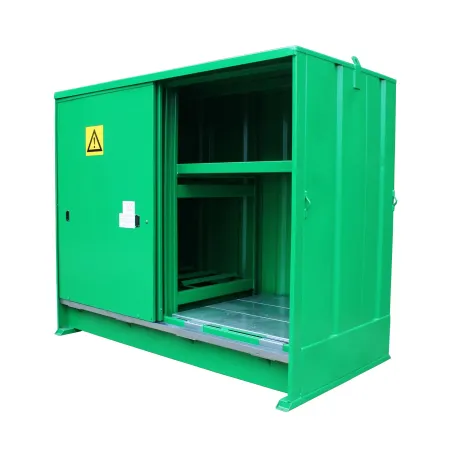
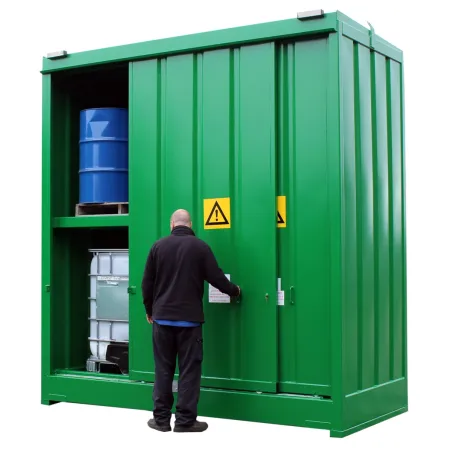
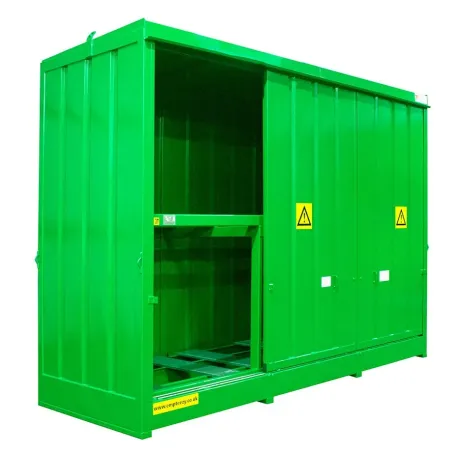
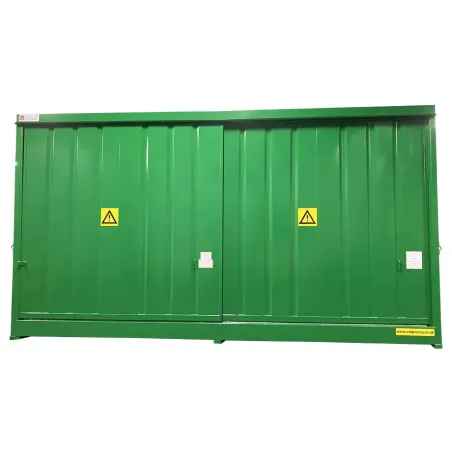
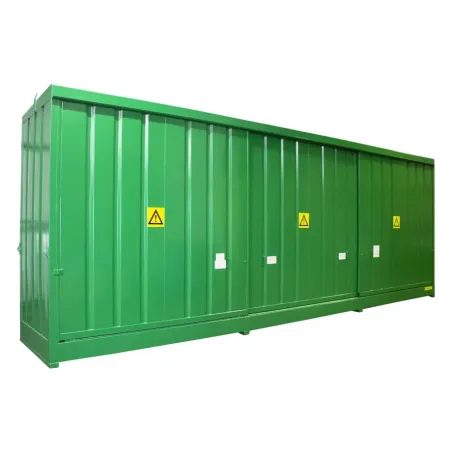
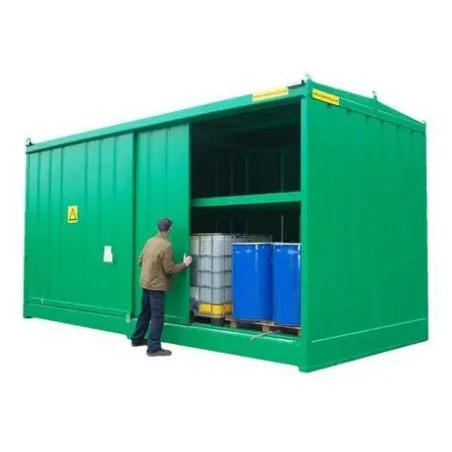
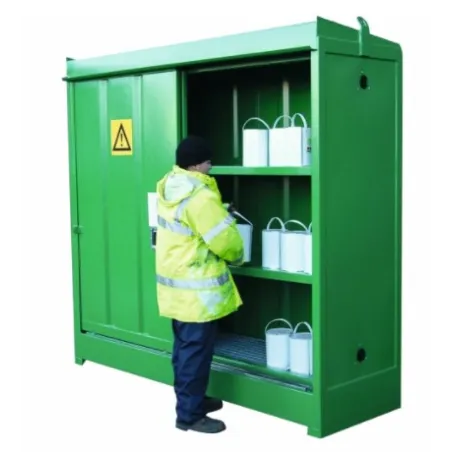
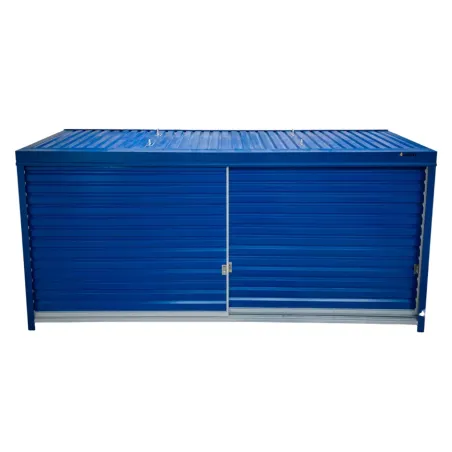
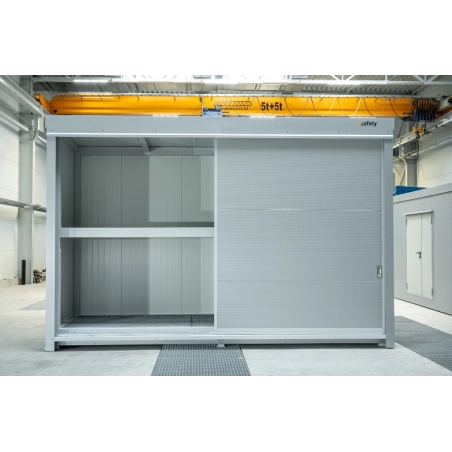
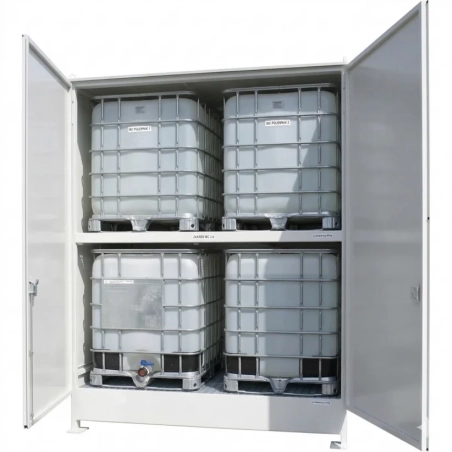
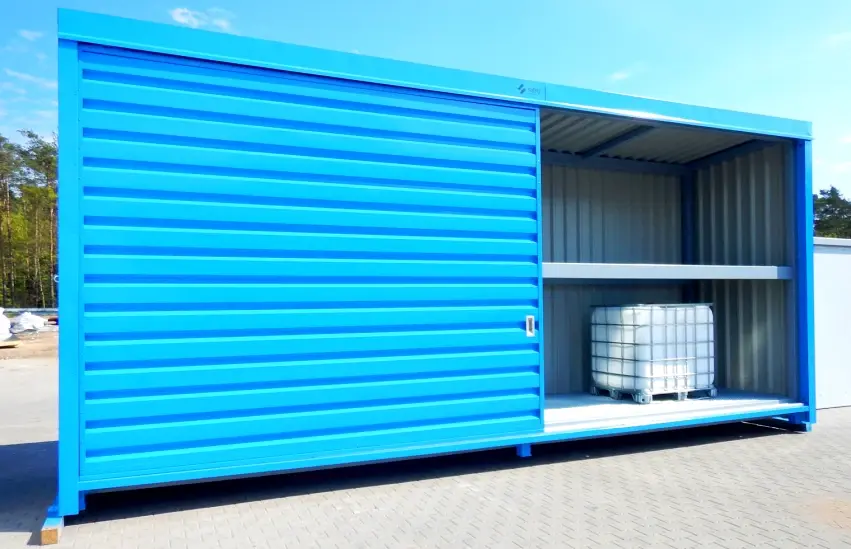
Non-insulated containers are suitable for the safe storage of large quantities of substances, semi-finished products, materials, or waste. Non-insulated storage containers are most often made of trapezoidal sheet metal with a structure based on a frame that allows installation on a flat surface. They are the most economical way to store substances and materials outdoors. A non-insulated warehouse can be equipped with additional devices, trays, shelving, gas sensors, fans, and lighting. The warehouse protects materials from unauthorized persons, weather conditions, and moisture, and prevents substances from reaching the ground.
A non-insulated container is an excellent choice for substances that do not require special thermal insulation. They are usually made of durable trapezoidal sheet metal, without additional insulation.
The structure of a chemical container should be durable and corrosion-resistant through enamel painting, and production should comply with PN-EN 14782:200.
Thanks to a chemical container you will optimize space in your facility and move the substances outside. This affects not only the reduction of the risk of fires and leaks, but also the amount of insurance premiums.
When choosing a chemical container that will be used for storing chemical substances, it is worth paying attention to several important issues to ensure safety and effective storage of these materials.
What should you pay attention to?
- Construction material: make sure that the container is made of materials resistant to the effects of the chemical substances you plan to store in it.
- Compliance with regulations: check whether the selected container meets all applicable regulations and standards regarding the storage of chemical substances..
- Configuration flexibility: choose a container that can be adapted to specific needs, for example by adding shelves, ventilation systems, or thermal insulation.
- References: ask the container manufacturing company about the references it has obtained.
- Size and capacity: choose a container of the appropriate size and capacity to accommodate all the necessary substances, but without taking up too much space.
- Active or passive storage: make sure that the container provides easy access to the stored substances, which will facilitate work and handling.
You can adapt a chemical container to the plant's storage needs, the substances stored, and
weather conditions. Contact us, and we will help you choose the ideal container for your needs.
See how this product works in practice
Warehouse barriers
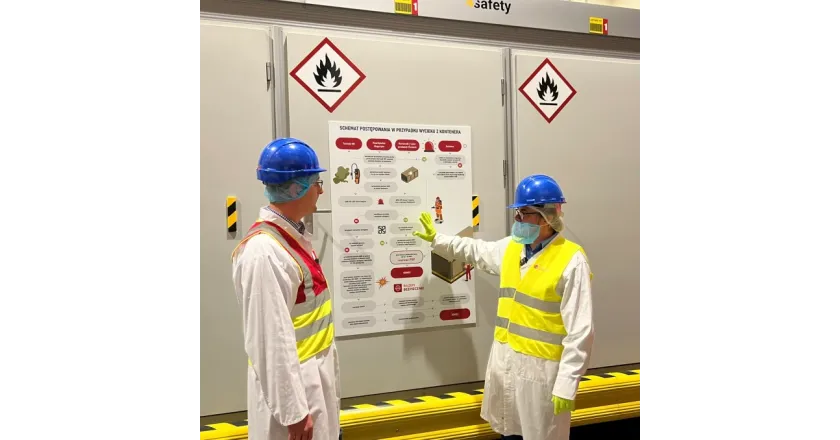
Safe food production? See how La Lorraine coped with the challenges with 4safety!
Read more
Storage of hazardous substances
Hazardous substances in the storage container
Read more
Increase employee safety and minimize the risk of environmental contamination with storage containers. Check what to pay attention to when choosing a container for hazardous substances.
Storage of hazardous substances
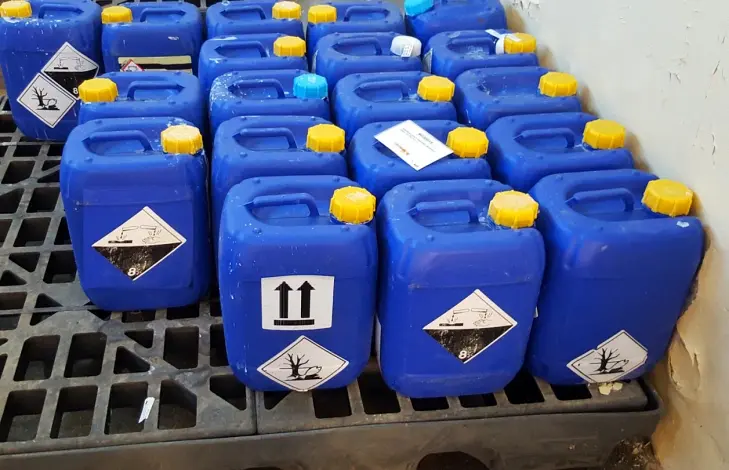
Hazardous materials under the supervision of an ADR advisor
Read more
Do you store, keep materials considered hazardous? Check whether you need training in the transport of dangerous goods ADR.
Articles that may interest you
Storage of hazardous substances
Szafy ogniotrwałe – Normy, wymagania i zastosowania - Dokumenty Google
Read more
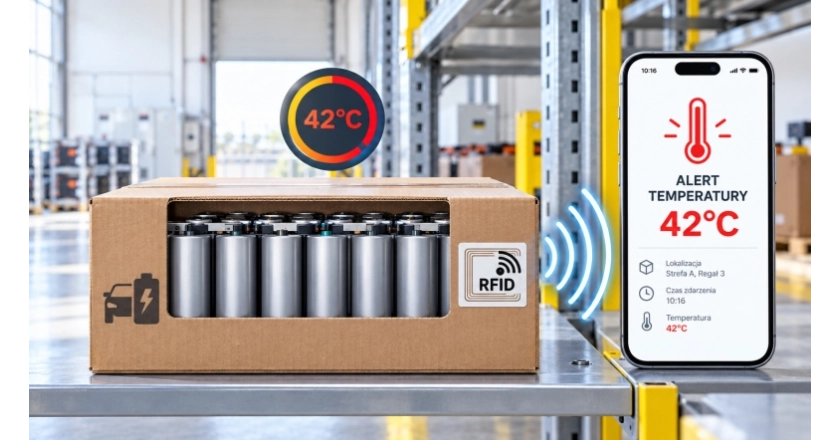
Odpowiadasz za zabezpieczenia i bezpieczeństwo pracowników w przedsiębiorstwie przemysłowym lub zakładzie produkcyjnym? Inwestycja w szafy ogniotrwałe stanowi zatem jeden z ważniejszych elementów na liście zabudżetowanego wyposażenia.