Wiedza
- Case study - implementation of the LOTO system in a production plant
- Lockout/Tagout - what is it and why is it worth introducing LOTO?
- Why is it worth implementing a LOTO system with Marcin from 4safety?
- Case study: implementation of a flexible barrier system in a manufacturing plant!
- Steel or flexible: which industrial bumpers should you choose?
- Case study: protection of high-bay racking with a flexible barrier system
- How to safely store lithium-ion batteries?
- Explosion of lithium-ion batteries — how to avoid it?
- Hazardous substances in the storage container
- Safe crane operating zone
- LED safety projectors
- Classification of flexible barriers
- Everything about IBM
- Do It Yourself - industrial printers
- The meaning of the padlock in the LOTO system
- Why is it worth using ergonomic mats?
- Anti-slip protections
- A catch basin is good practice or a regulatory requirement?
- Industrial shelving - types and applications
- About employee comfort and safety
- Frost and structural monitoring of the facility
- What information should a nameplate contain?
- How to prevent accidents with safety containers?
- Fire-resistant cabinet – what should you pay attention to when buying?
- Selection of a spill containment tray
- Hazardous substances - what to do in the event of a leak?
- Hazardous materials under the supervision of an ADR advisor
- What problems do industrial barriers solve?
- Color coding of pipelines – colors, arrows, inscriptions
- Lasers for communication routes
- Natural neutralization of substances
- Energy-intensive barriers – Types, characteristics and application
Lockout/Tagout - what is it and why is it worth introducing LOTO?
Lockout/tagout
- Is LOCKOUT/TAGOUT only power control?
- A system needed only to obtain the necessary certification for cooperation with a contractor or to meet corporate standards in companies with American capital?
- Does the system really increase safety in everyday work and optimize production processes?
- Why doesn’t the system work as it should and what can go wrong?
In this post you will find everything you need to know before implementing the LOTO system in a nutshell.
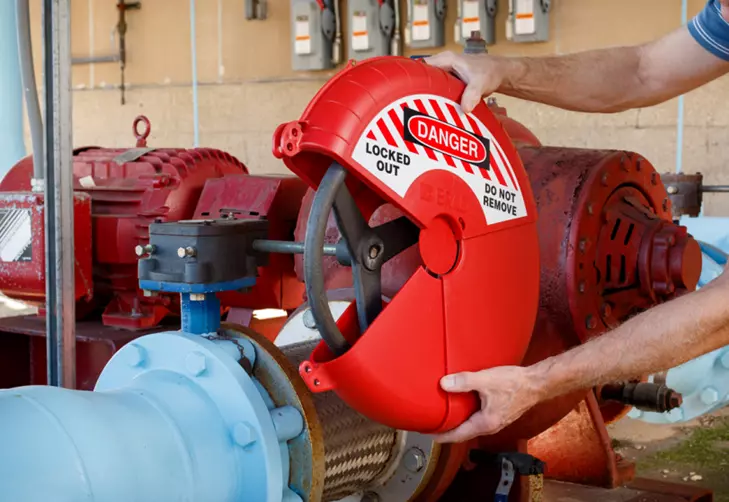
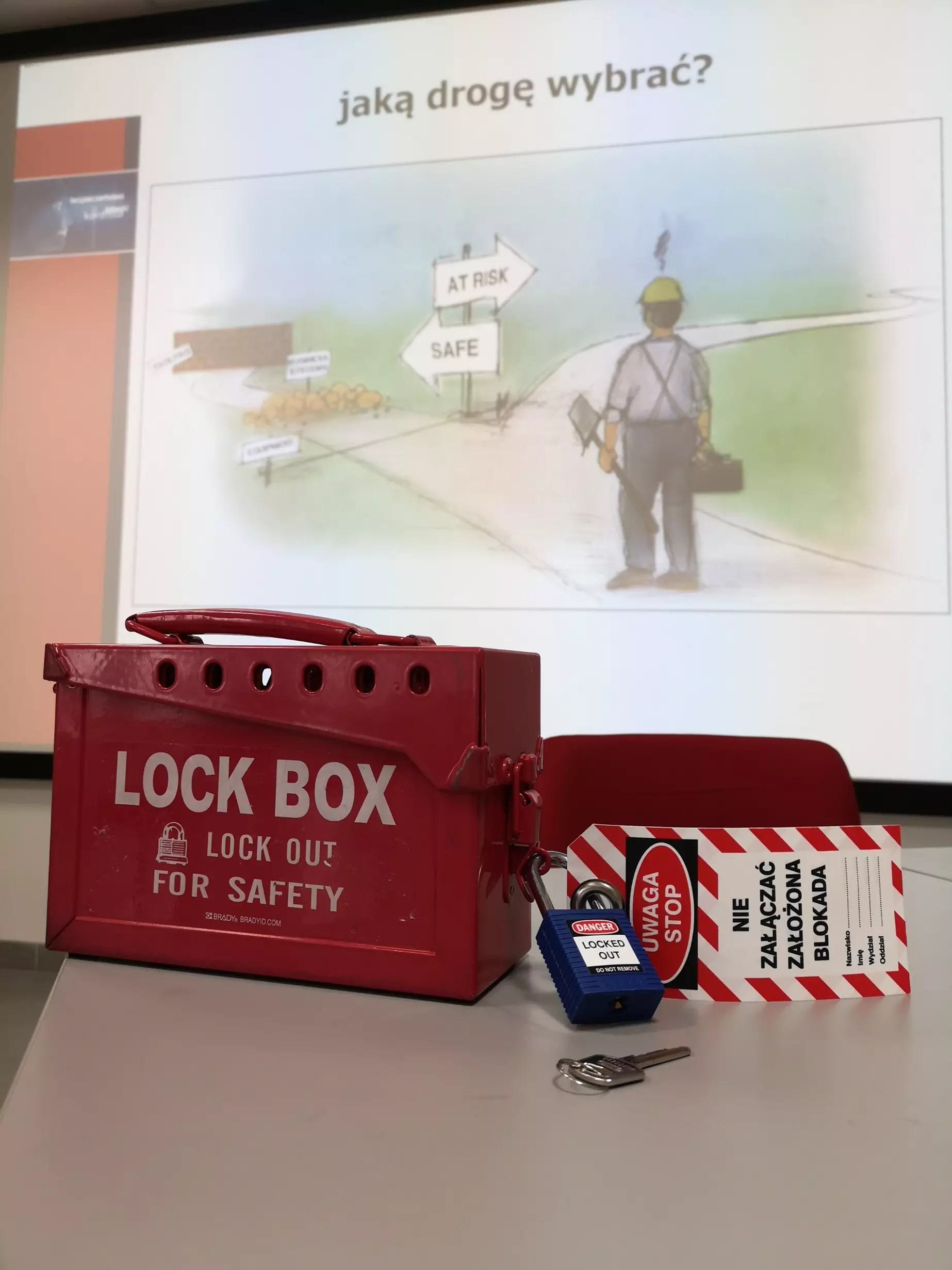
What is LOCKOUT / TAGOUT?
Lockout /Tagout is a system that prevents/eliminates the risk of accidents in workplaces involving people and machines through the complete and temporary disconnection of equipment from energy sources.
LOTO procedures and safeguards - stop the movement of the machine and prevent it from being reconnected to the power supply too early while service work is being carried out.
"LOTO is not only about energy, it is also organizational culture and better communication between employees."
What is LOCKOUT?
it is an action that includes disconnecting and securing all energy supplying machines while service or maintenance work is being performed on them.
What is TAGOUT?
it is a tag indicating that a given machine is locked and out of service. Additionally, it also indicates which employee is responsible for locking the device.
In the workplace you may encounter many hazards, but one of the causes of the most severe accidents and health damage is the uncontrolled release of energy. Electricity, high pressure, hot water, gas..these are energies that MUST be under control.
Every year, thousands of workers suffer serious injuries as a result of accidents related to the servicing and maintenance of industrial machines and equipment. A large proportion of these accidents are caused by insufficient protection of the energy sources supplying this equipment.
Why do you need a LOTO system in your plant?
Get to know the LOTO system that:
- enables safe and clean work during servicing or overhauls,
- provides prevention against potential accidents,
- enables safe work during maintenance work, servicing or overhauls,
- improves communication culture,
- increases crew awareness and work discipline,
- minimizes the likelihood of human error,
- eliminates the consequences of errors,
- allows you to obtain the appropriate certification – a system recognized worldwide,
- meets contractors’ requirements (especially if you want to cooperate with an American corporation),
- reduces insurance premiums,
- reduces equipment damage during repairs and cleaning,
- raises employees’ sense of safety and work comfort,
- ensures shorter downtime,
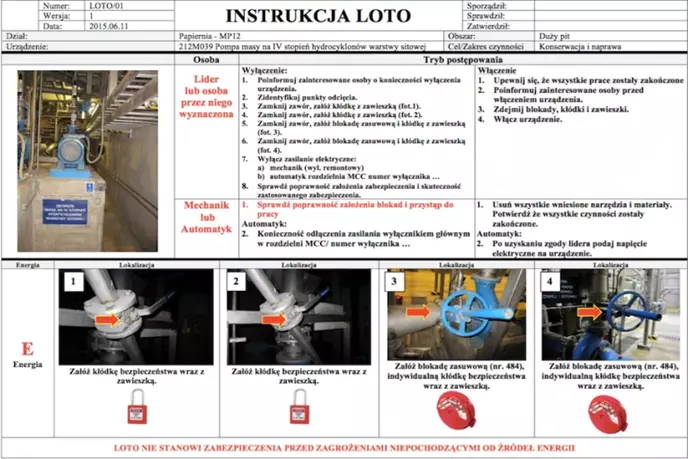
- is easy to use - visual instructions on each machine show how to secure it properly,
- increases productivity,
- has been tested by thousands of factories and plants
In your plant, people and machines work, breakdowns happen, repairs, service work, maintenance - seemingly just another ordinary day.
But failure to secure the machine, turning on the power during repair, or starting the production line during such work can bring unpleasant consequences: failures, equipment damage, accidents, long and costly downtime, inspections, penalties... A nightmare for everyone in the maintenance department, managers, owners, and the workers themselves who are exposed to accidents.
What contributes to this?
- employee mistakes,
- haste and inattention,
- lack of procedures and instructions,
- lack of employee awareness of possible hazards,
- improper employee actions, e.g. (putting hands into a running machine),
- downtime related to accidents,
- machine damage.
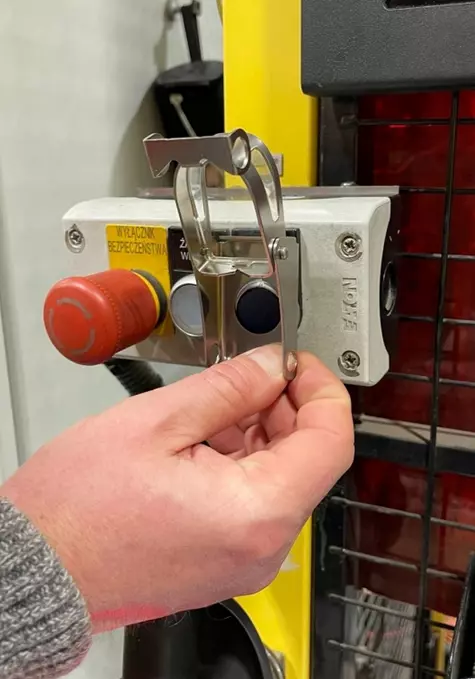
Uncontrolled release of energy is the cause of some of the most serious accidents.
Electricity, high pressure, hot water, gas... these are forms of energy that MUST be under control.
What does this "control" sometimes look like?
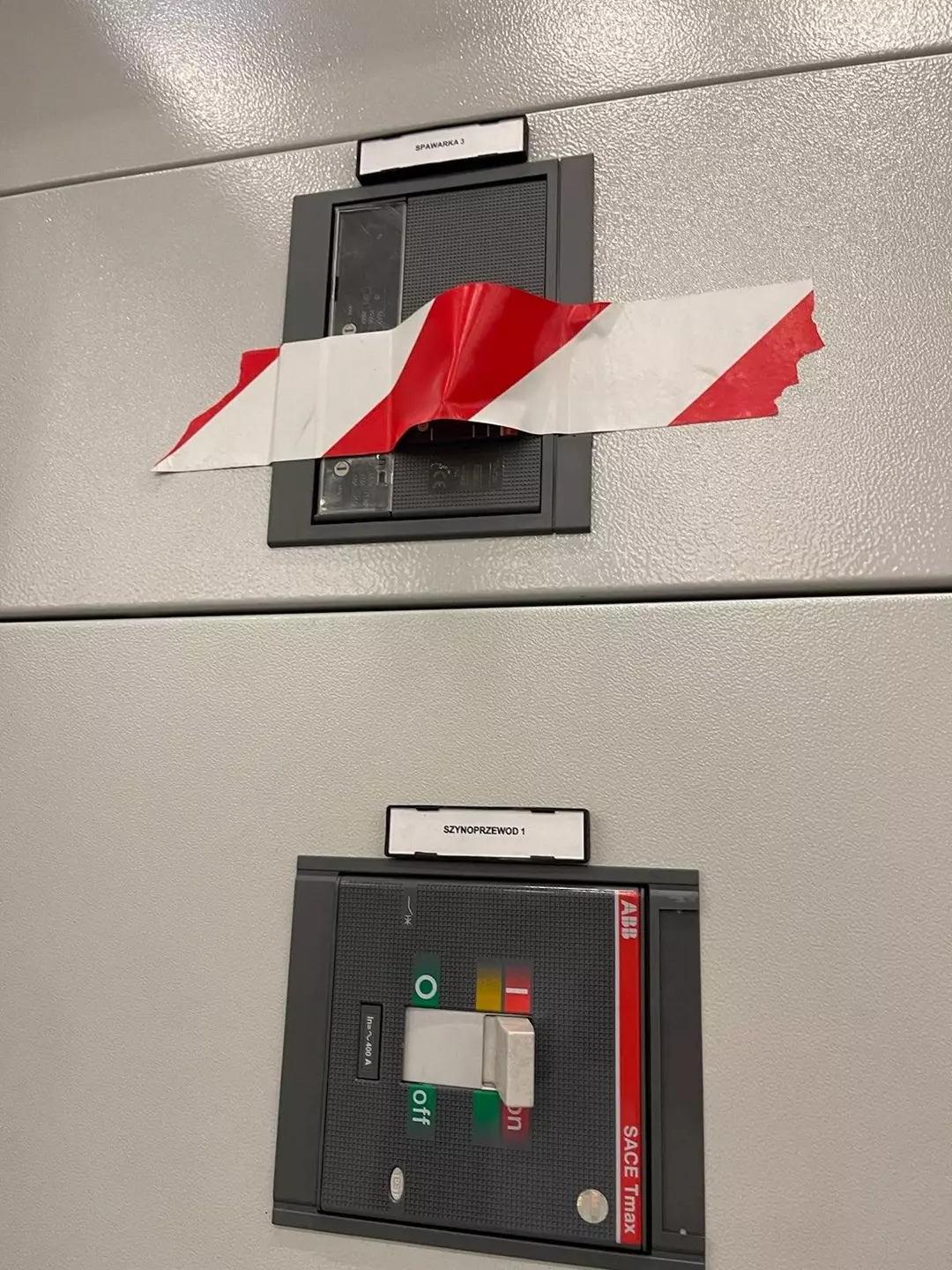
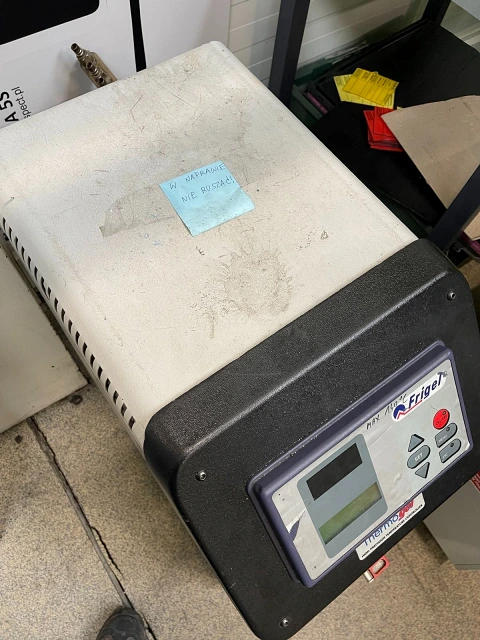
And what should it look like?
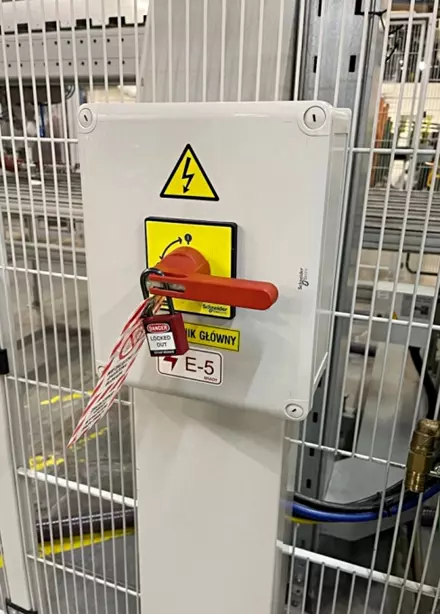
How do you implement a LOCKOUT/TAGOUT system so that it becomes an integral and valuable improvement to workplace safety standards?
Discover the 5 most important elements that make up the implementation.
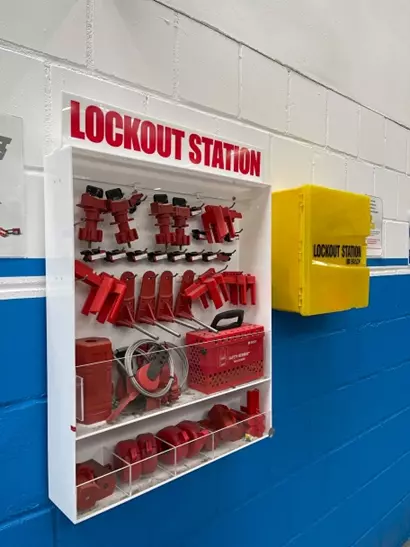
1. Equipment (LOTO devices, padlocks, labels)
- equipment quality, durability against external factors, crushing, attempts at dismantling by unauthorized persons,
- proper selection of equipment,
- appropriate quantity, placement on company premises,
- proper use of equipment,
- LOTO is visualization, so color coding plays an important role.
Equipment should be selected during audits. Determining the appropriate quantity and storage location are elements of developing the general procedure.
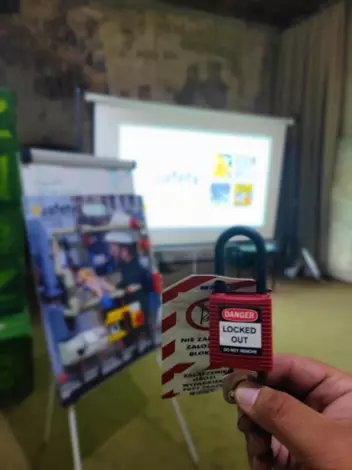
In practice, working with the equipment should be the last element of implementation; the padlock should be used after training, consciously and by the right people, in specific situations and in the appropriate manner – in accordance with the assumptions of the LOTO procedure.
2. Services / paperwork / LOTO procedures
THE LOTO PROCEDURE DEFINES WHO, WHEN, WHERE, and HOW
The procedure explains what to do in situations involving “everyday” work with LOTO, and defines ways of working with padlocks even in situations that may happen only once in a while.....
- A complete implementation means taking ALL hazardous energies into account,
- a holistic approach to procedures and instructions,
- short and clear instructions that are easy to apply,
- detailed instructions should not be formulaic or copied.
3. People
- Appropriate people designated by the company (familiar with the machinery fleet, experienced in how the company operates),
- experienced implementation specialists – able to operate across various industries, listen, and adapt solutions to the plant’s needs,
- employees’ disregard for procedures – implementation should be standardized and treated seriously, and the rules followed; otherwise, errors will continue to occur.
4. Training
- Training appropriately tailored to employees’ positions and responsibilities,
- making employees aware of the system’s actual impact on their own safety,
- conducting training at every level of personnel involvement in the system.
5. Commitment (communication and cooperation)
During implementation, the experience of the implementer alone is not enough. Employee involvement is equally important. They know the company, its processes, and its problems best. Without cooperation and mutual commitment, you will not achieve 100% of the intended goal.
No external company knows the operation of the machinery park, the processes taking place on the lines, or the structure and organization of work within the company well enough to implement LOTO independently.
You need the sum of all these elements for the system to work properly.
A production plant is a living organism, with changing processes and rotating employees. It is important that employees are aware that procedures need to be updated, adapted to the environment, and that new personnel must be trained on an ongoing basis.
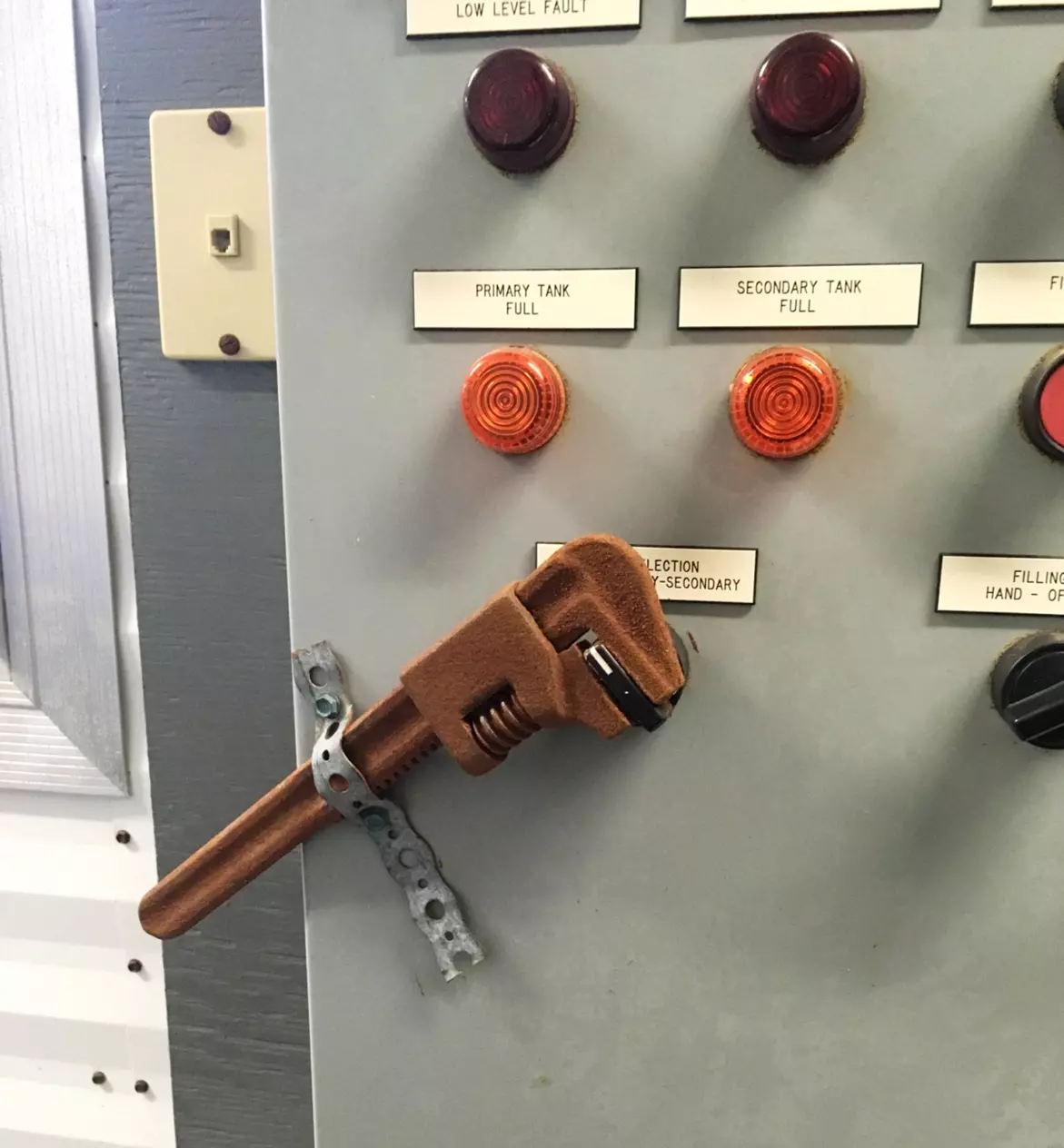
LOTO - useful gold or sticky mud?
1. Incomplete implementation - while traveling around production plants, we encounter unfinished audits or machines missing from the procedure. LOTO that works only partially is like locking the doors before leaving home because you fear a thief, but leaving the windows open - it may not work.
2. Errors in training - lack of training, wrong sequence, theory only. These mistakes can bring even the best implementation to its knees. Equipment is useless if employees do not know how to use it. We have also encountered training sessions held before the audit.
3. Focusing only on theory - to use lockouts and padlocks properly, you need to learn it in practice and practice it. Slides alone are not enough for an employee to remember after a few months how and when to lock a valve.
4. Lack of periodic training - with LOTO, it is like with most health and safety training; it must be remembered like fire extinguishers and carried out regularly.
In our experience, the best learning tools are:
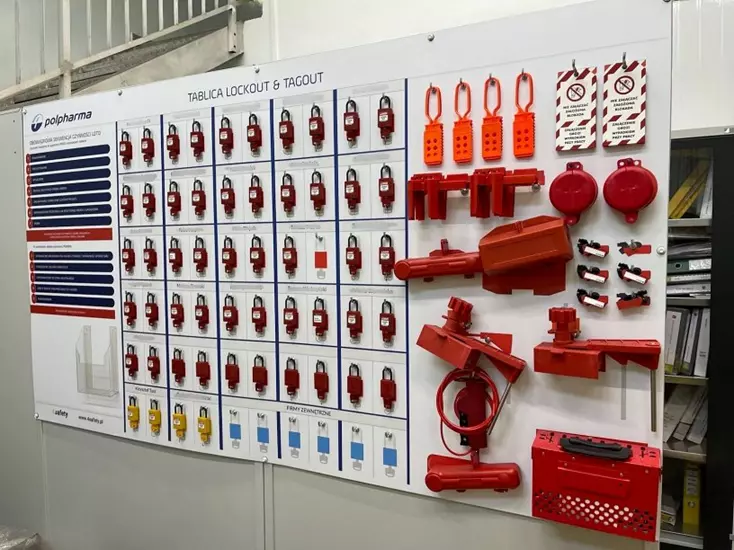
Interactive LOTO board - see what it looks like in a short video.
https://youtu.be/H-TqZIlUl9gAnd also a shadow board, so you can see whether the lockouts have returned to their place.
See what training looks like in VIRTUAL REALITY - in this case, the employee is surrounded by a created plant environment. They have the opportunity to test lockouts and make mistakes in a safe virtual environment.
https://youtu.be/hkkv4VTmDeYWhy doesn’t LOTO work?
- people’s resistance to change, lack of commitment, disregard for procedures,
- lack of verification by management/supervisory personnel
- treating LOTO as certification – it has to be implemented to pass an audit, win a client… and that’s it; after that, let whatever happens happen…..
- implemented incorrectly: illegible instructions, poorly selected equipment, inappropriate training,
Disadvantages of the LOTO system?
- Extending working time by a few minutes - the lock has to be collected, applied, removed, etc.
- However, extending downtime or service by a few minutes is less of a burden on production plans than a possible accident and its consequences!
- Costs – implementing the LOTO system involves additional costs for equipment, audits, visualizations, training, etc. In a medium-sized production plant, these are costs ranging from several to several dozen thousand zlotys.
- Everything depends on the machine park, the number of energy sources to be locked out, and the complexity of the process. Every plant is different and is subject only to an individual valuation after a preliminary audit. If someone sends you a quotation without becoming familiar with your machine park – run away. ?
What is the result of implementing the LOCKOUT/TAGOUT system?
- Improved employee safety,
- optimization of production processes,
- minimization of costs related to accidents,
- increased employee awareness.
More specifically...
Properly assigned roles and responsibilities to individual employees depending on the type of work and the personnel who perform it.
- VISUALIZATION that ALLOWS SAFETY TO BE MAINTAINED AND MAKES A QUICK RESPONSE POSSIBLE!
- better work organization, instructions for proceeding / getting out of an unusual situation, e.g. appropriate organization of work with external companies, a padlock removal protocol, internal audits, performance assessments, other forms or attachments,
- properly selected equipment in terms of quantity and quality - suited to the specifics of the machine park,
- an aware and trained employee, knowing how to react properly.
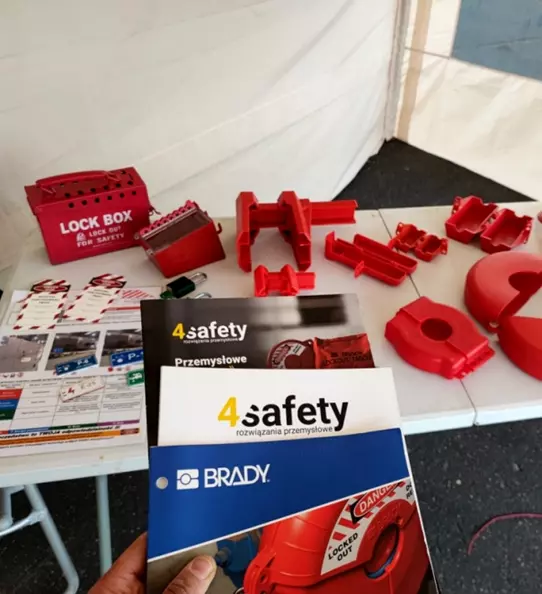
What should you pay attention to when choosing an implementation company:
- Company experience
The company should have appropriate experience in the field of occupational safety and implementation of the LOCKOUT/TAGOUT system. Ask for references and opinions from other clients who have already used the services of the given company.
- Employee competencies
The implementer should have appropriate qualifications and experience in implementing the LOCKOUT/TAGOUT system.
- Service availability
The implementation company should offer a full range of services related to implementing the LOCKOUT/TAGOUT system. These services should include:
- risk analysis, needs assessment,
- designing the LOCKOUT/TAGOUT system,
- delivery of tools and equipment,
- implementation of the LOCKOUT/TAGOUT system,
- employee training,
- periodic provision of refresher training.
- Quality of LOTO equipment / safeguards
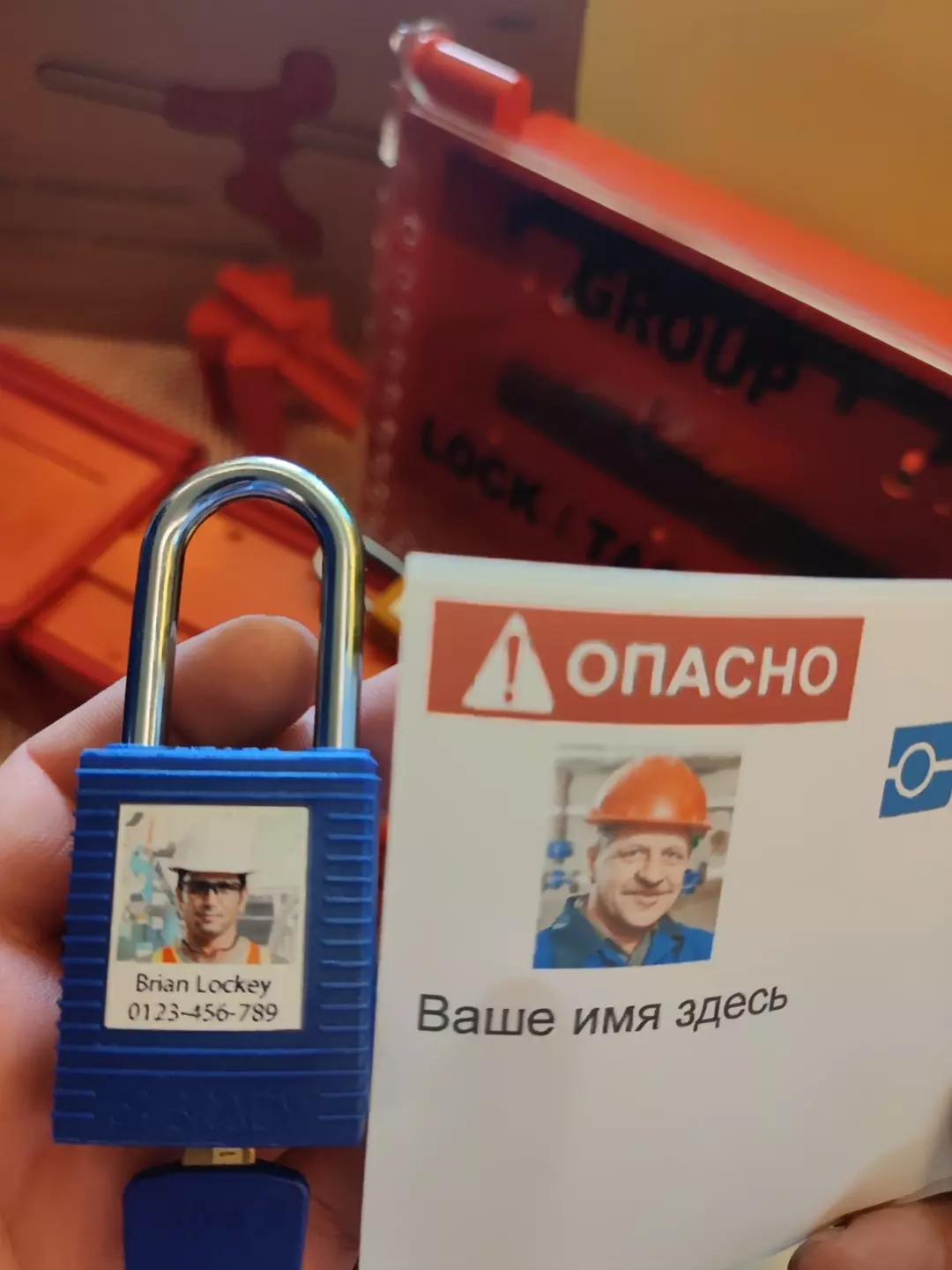
Safeguards for working with the LOTO system on the machine park should be durable, tamper-resistant, and convenient to use. None of the employees will want to actively work with equipment that does not function properly, falls off, or breaks. In the age of cheap counterfeits, it is worth choosing a supplier with certification and local support.
What else should you pay attention to? - advice from Marcin Sobczyk?
- Employee involvement - IF YOU RECEIVE AN IMPLEMENTATION PROPOSAL THAT DOES NOT REQUIRE YOUR INVOLVEMENT – DO NOT USE IT
It is not possible to create a project without the client's participation. No external company knows the processes, technologies… even with extensive industry experience.
What should be avoided when choosing an implementation company?
- formulaic approaches, lack of commitment, excessive flexibility or submissiveness. LOTO is a good practice and although there are supposedly no rigid frameworks defining how the system should operate, it is still worth taking processes as the basis of a system ensuring safety.
- cheap poor-quality equipment (priced below market rates),
- inexperienced auditors
- haste.
It only takes one element that, if it fails, will prevent the LOCKOUT/TAGOUT system from fulfilling its functions 100% and operating as intended.
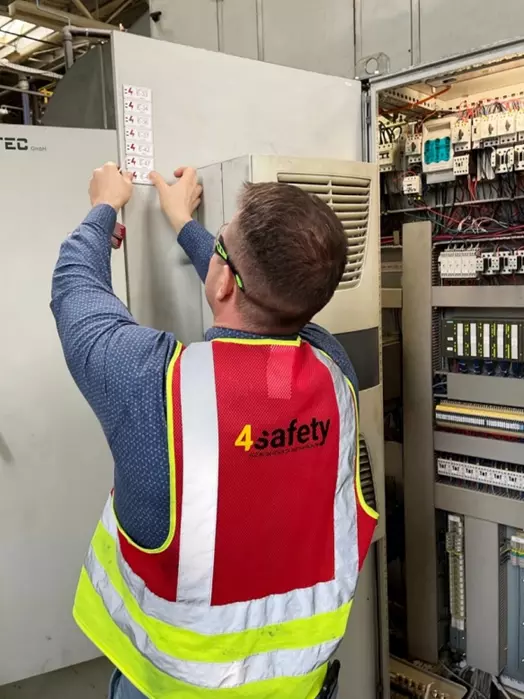
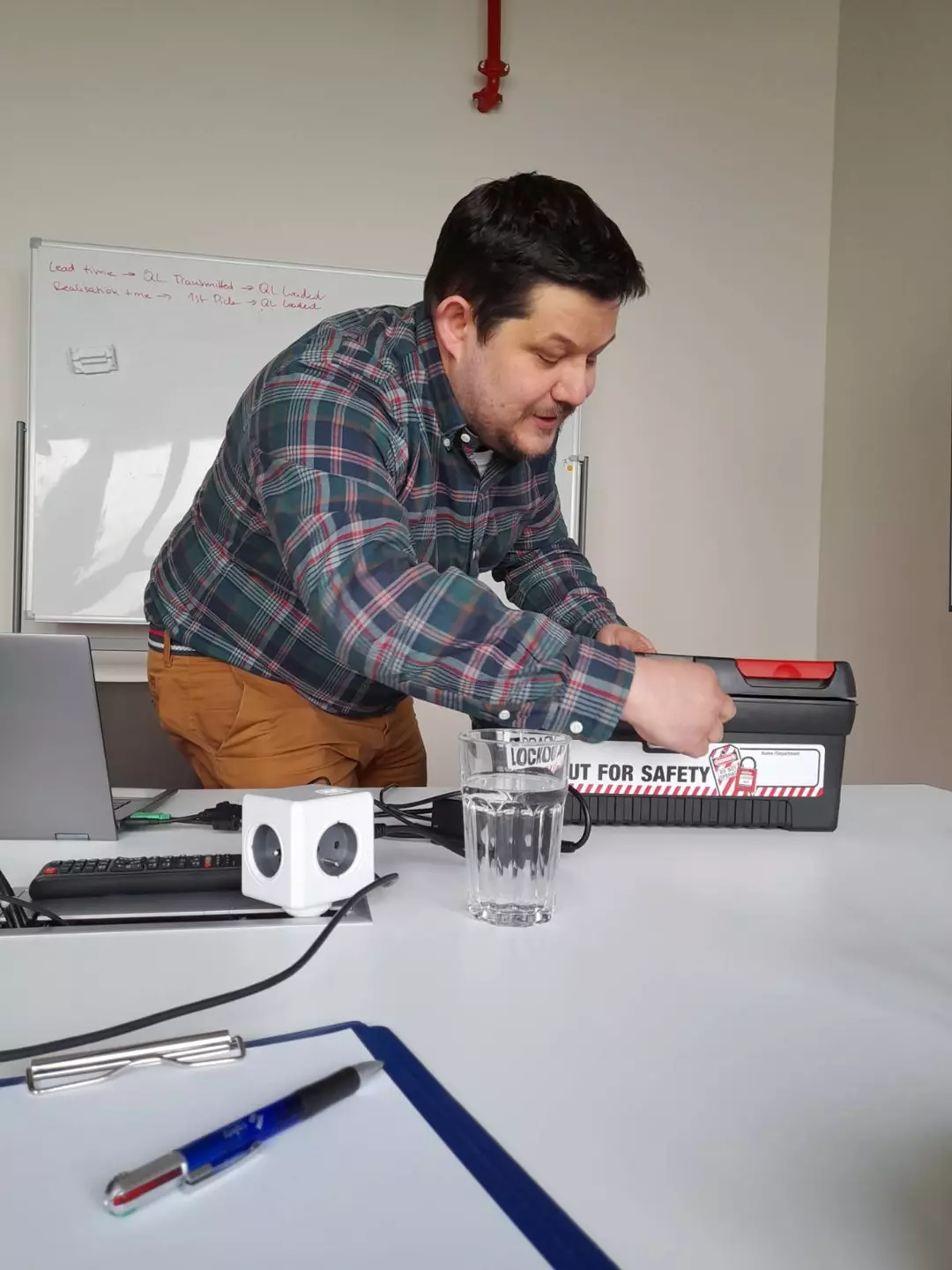
Meet Marcin Sobczyk - years of experience, hundreds of LOTO implementations!
Single machine units or implementations on a dozen complex production lines - nothing intimidates him.
If you want to get to know your future implementation specialist better - read the article - why it is worth implementing LOTO with Marcin
- Are you considering implementing the system, are you aware of the dangers posed by unsecured energy sources?
- Or maybe you have already completed the implementation, but the system works only “so-so” and you are wondering what to do to make it work better and simply make production safer.
- Or are you waiting for a corporate audit and want to check how your already implemented solutions are working?
Contact us and schedule a free ZERO audit
The LOTO zero audit is an initial meeting for companies that are considering implementing the LOCKOUT/TAGOUT system in whole or in part. Regardless of whether it is to be a pilot or a complete implementation. During the ZERO audit, the expert gets to know the plant and the challenges that need to be faced. They present possible solutions and scopes of cooperation.
Answers to common questions and objections about the LOCKOUT/TAGOUT system
1. “It is safe here, there are no accidents in this company”
Mistakes and accidents unfortunately can happen, wherever people and machines work together. Make sure that the balance in your plant is always “0” and secure dangerous energy sources in advance. #strategiazerowypadkow
2. “It stops the work”
At first glance - yes, putting on the appropriate lockout device, padlock, and familiarizing yourself with the instructions extends the work by a few minutes! But in the long term it speeds it up and, most importantly, reduces downtime related to failures and accidents.
3. “They won’t use it here – they have different habits”
That will be the case if employees are not aware of why LOTO procedures should be used and what they will gain from it - safety! Properly trained personnel successfully follow the instructions, and the procedures become a good habit.
4. “It costs a lot”
You will implement the system for years and, in the longer term, save money by avoiding downtime, compensation, breakdowns, and repairs of machines or installations.
DO YOU WANT TO TAKE SHORTCUTS, CHOOSE THE CHEAPEST OFFER JUST TO GET IT OVER WITH? LEARN FROM THE MISTAKES OF OTHERS - WE WILL SEND YOU EXAMPLES OF BAD AND VERY BAD IMPLEMENTATIONS...
5 “Who will be responsible for this?”
Creating a LOTO system should be a shared task of employees at many levels of the organization: from the OHS department, through the Maintenance Department, engineering planning departments, to production employees included.