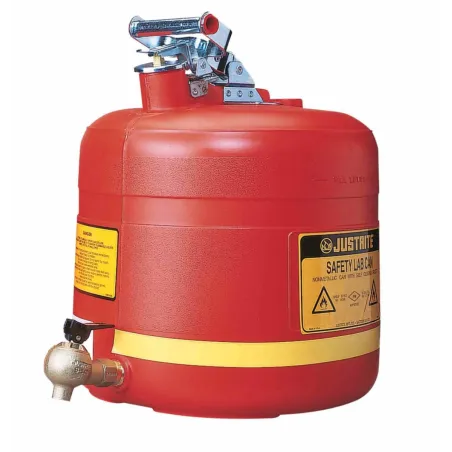
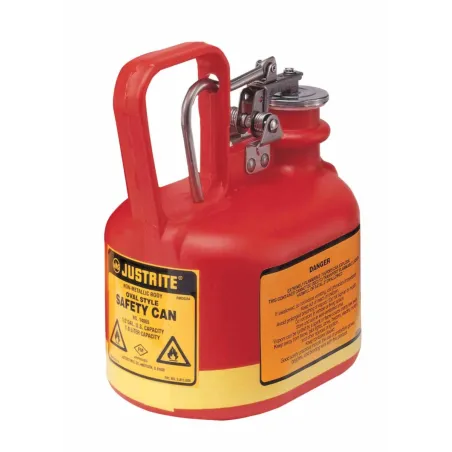
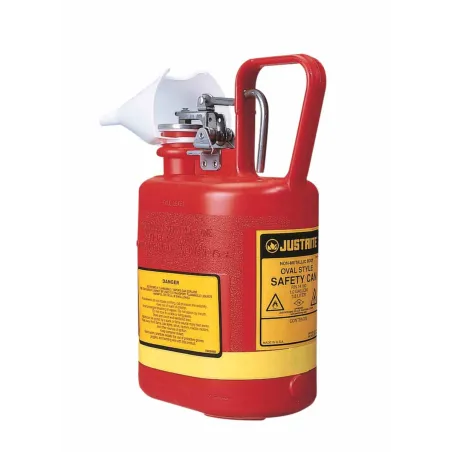
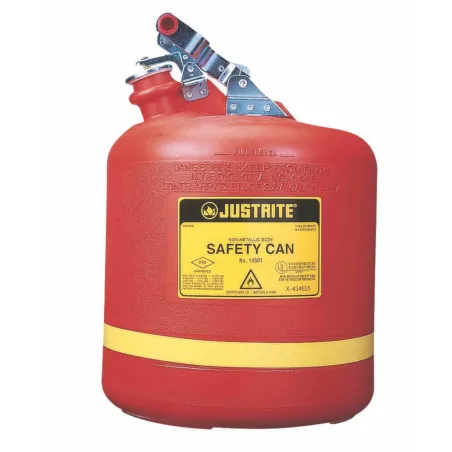
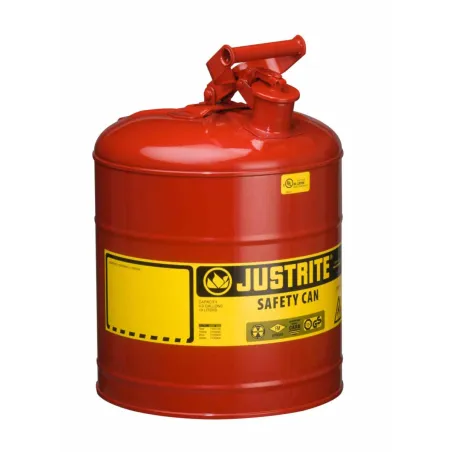
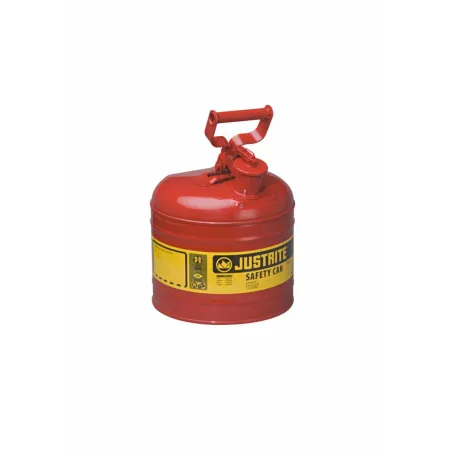
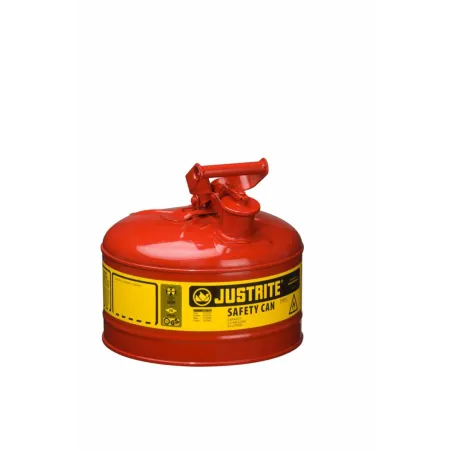
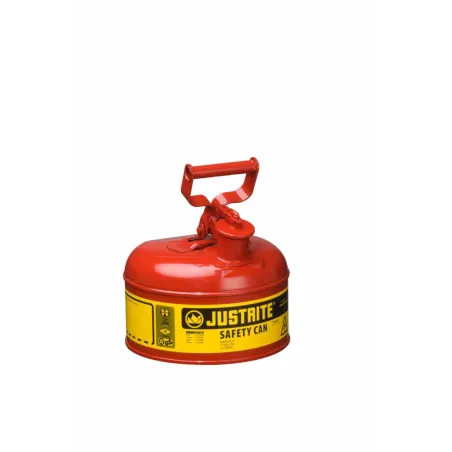
Types of containers for flammable substances – Overview of construction and materials
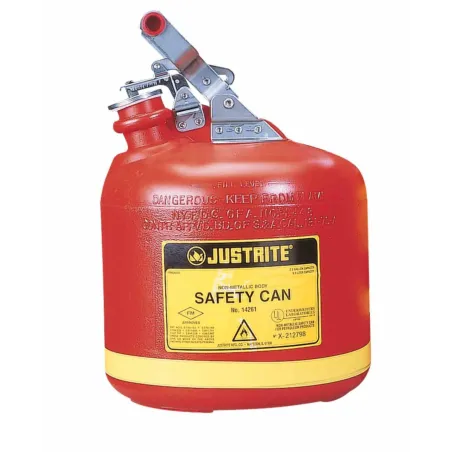
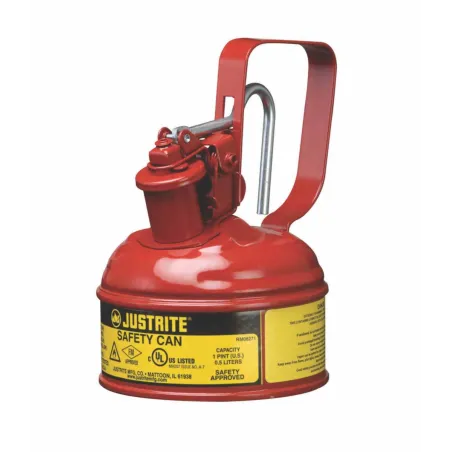
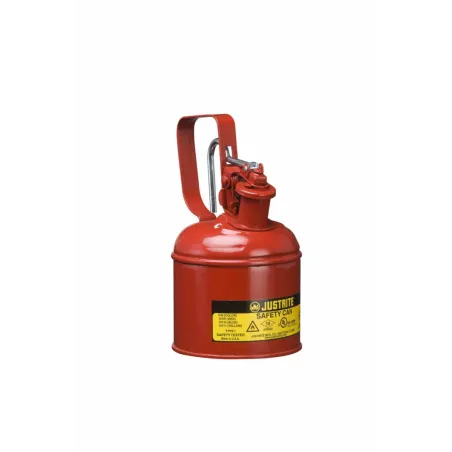
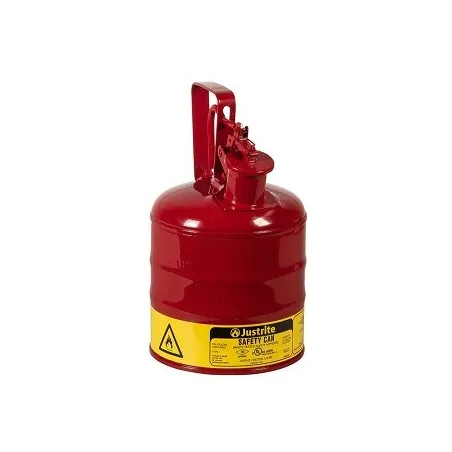
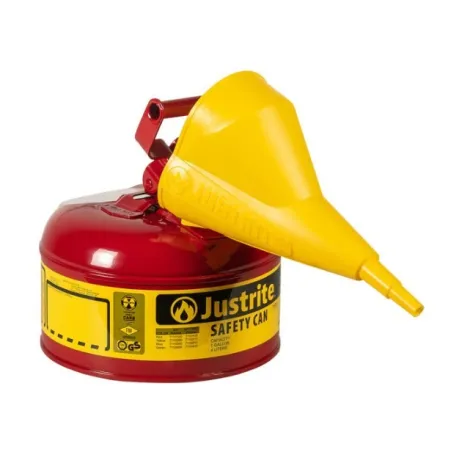
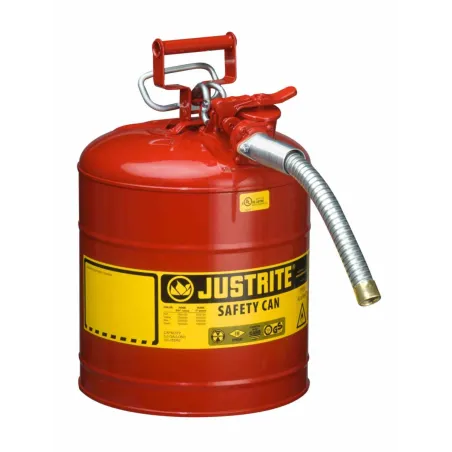
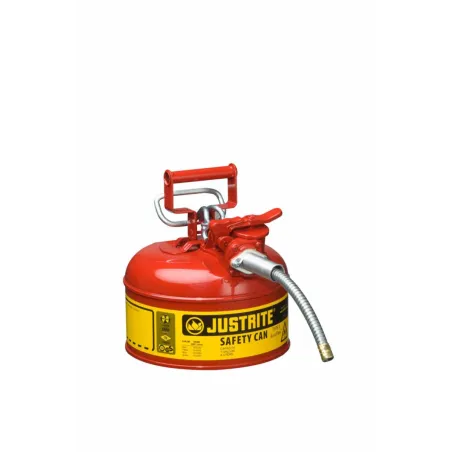
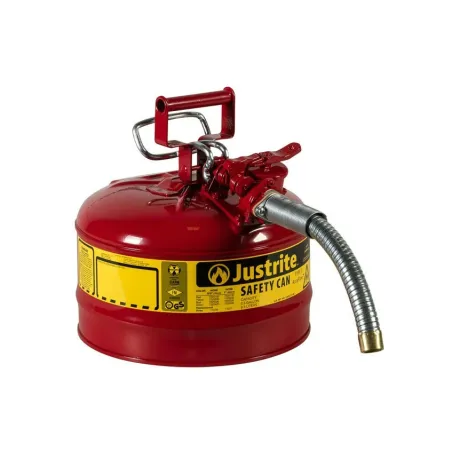
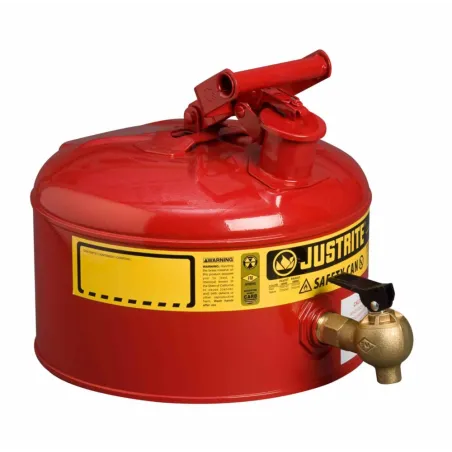
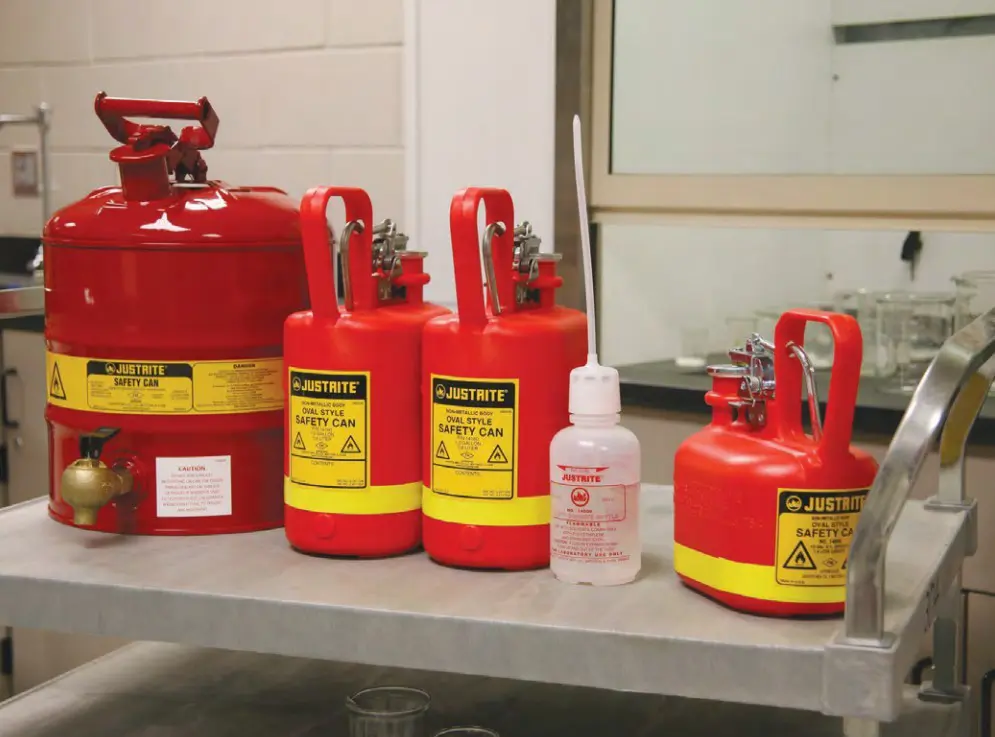
The construction of containers for flammable substances must comply both with the nature of the stored liquids and the operational requirements of the facility. The most common types are: steel drums and industrial containers. Thanks to their mechanical resistance and durability, they are widely used in warehouses, production halls, or laboratories. In the case of highly flammable liquids, containers with gas-tight closure systems and an integrated spill containment sump are selected, which minimizes the risk of substance leakage.
The construction of containers depends on the type of material from which they are made. Black steel or stainless steel is most commonly used, offering high resistance to damage and corrosion. In turn, for chemically aggressive liquids – aluminum or plastics resistant to solvents and oils. The choice of material directly affects operational safety.
Remember that improper matching may result in container degradation, vapor penetration, or an increased risk of ignition. Therefore, every material should comply with applicable standards – such as:
- OSHA (Occupational Safety and Health Administration),
- NFPA (National Fire Protection Association).
They define construction requirements for containers intended for flammable liquids. Detailed information about specific products can be found in the product sheet.
Do you have questions or are you wondering which containers for flammable substances to choose for your company? Don’t wait and take advantage of the help of the 4safety specialist team right now. Complete your order according to your company’s needs.
Containers for flammable substances – Characteristics and key selection criteria
Selecting a container for flammable substances is a decision that has a direct impact on workplace safety. Inappropriate material, lack of proper safeguards, or improper placement may lead to fire, explosion, or environmental contamination. The purchasing process should therefore be based on:
- analysis of the type of stored substance,
- flammability class (e.g. as defined by GHS – Global Harmonized System),
- flash point,
- risk of chemical reaction with the container material.
Structural aspects are equally important – such as tightness, the possibility of ventilation, or the presence of systems for removing excess vapors. Containers for flammable substances used in explosion hazard zones must additionally have certificates of compliance with the ATEX directive.
In the context of regulations and standards, attention should be paid to the storage limits specified by OSHA and NFPA. According to them, no more than 25 gallons (approx. 95 liters) of flammable liquids may be stored in one room without the need to use a special fire-resistant cabinet. In Polish conditions, the reference includes, among others, PN-EN standards concerning the storage of hazardous substances, which define container parameters, distances from heat sources, and labeling requirements.
From the operational point of view, the following are also important:
- regular technical inspections,
- checking the tightness of connections,
- cleaning the inside of containers,
- monitoring the condition of anti-corrosion coatings.
Remember! Proper ventilation must be ensured, placing containers in narrow corridors or near evacuation routes should be avoided, and appropriate labeling and separation of incompatible substances should also be used. Good practices also assume the installation of containment systems under containers for flammable substances (bunding), enabling the retention of any possible leaks.
Don’t wait and join the group of satisfied 4safety customers right now. We guarantee comprehensive support in fulfilling your order.