Implementation of the LOTO system

.jpg)




Our regional advisors will help you choose a product tailored to your needs | We provide installation, service, and inspections! | Only trusted suppliers!

Shopping cart (0)
What exactly does the term ‘LOTO’ actually mean?
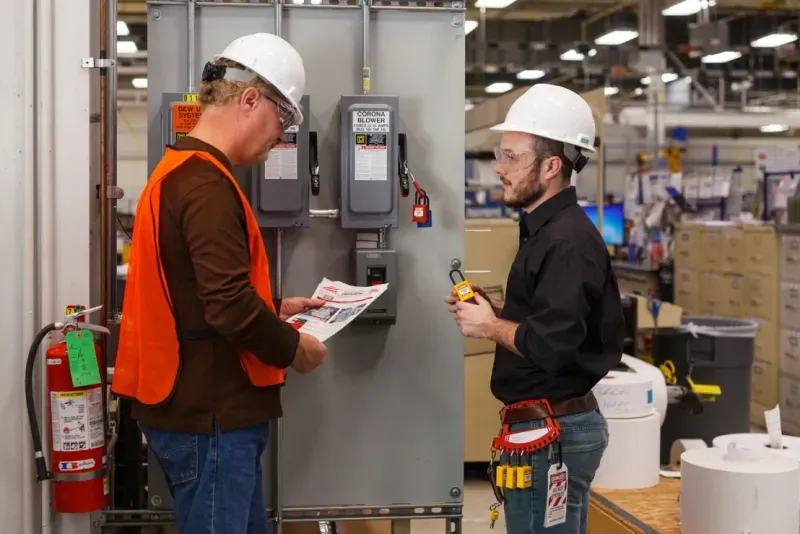
The LOTO (Lockout-Tagout) system is used to secure machinery during downtime or maintenance. It is implemented to ensure safety and reduce the number of accidents in the workplace.
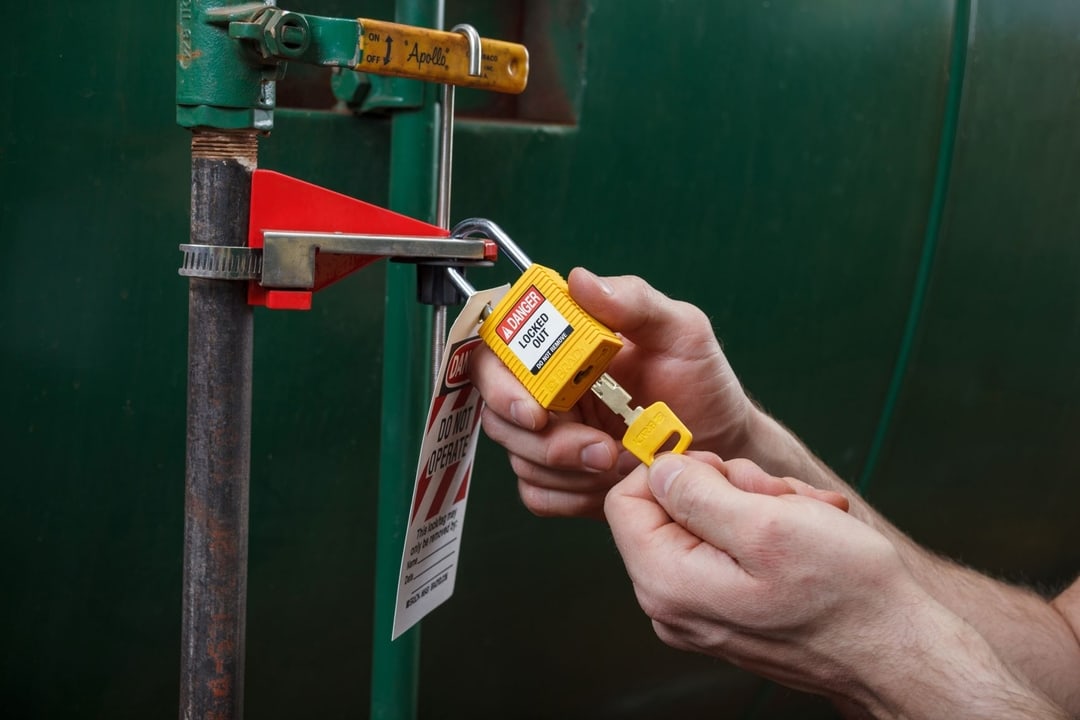
Lockout – cutting off the power supply using appropriate locks, thereby minimising the risk of the machine starting up unintentionally or accidentally. Tagout – a tag indicating that the equipment in question is currently out of service.
Combining the right interlocks and signage is a major step towards improving safety standards at the workplace. However, the system is only truly complete when staff are aware of the rules and adhere to them. See what a fully implemented machine interlocking system looks like.
Stages of implementing a lockout-tagout system
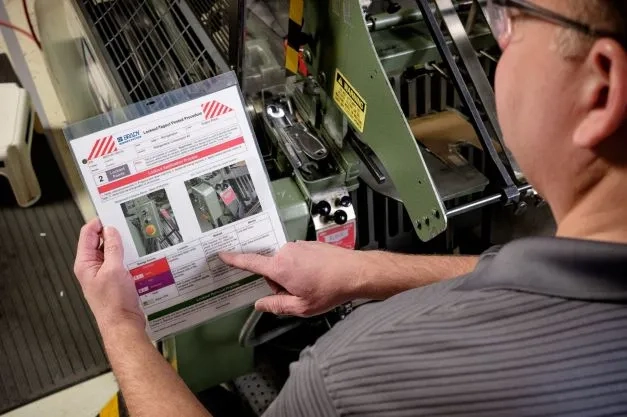
Firstly, we will draw up and document the LOTO procedures, setting out the objectives and scope of the system
We will assist in drawing up an implementation plan for the system, including, amongst other things, auditing sources of hazardous energy, compiling a list of such sources, and defining procedures and areas of responsibility. We will draw up job-specific instructions and general instructions.
Why is it worth it?
Important! The LOTO system operating procedures must specify:
It is only at this stage that we will roll out our products.
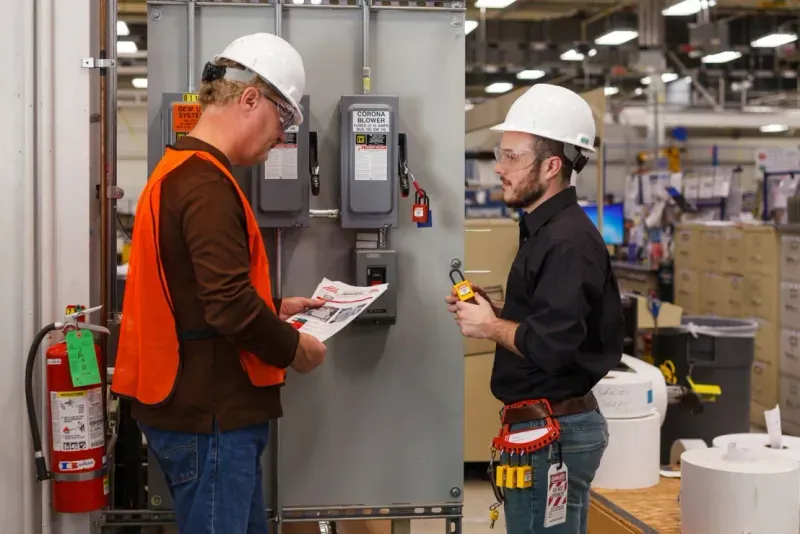
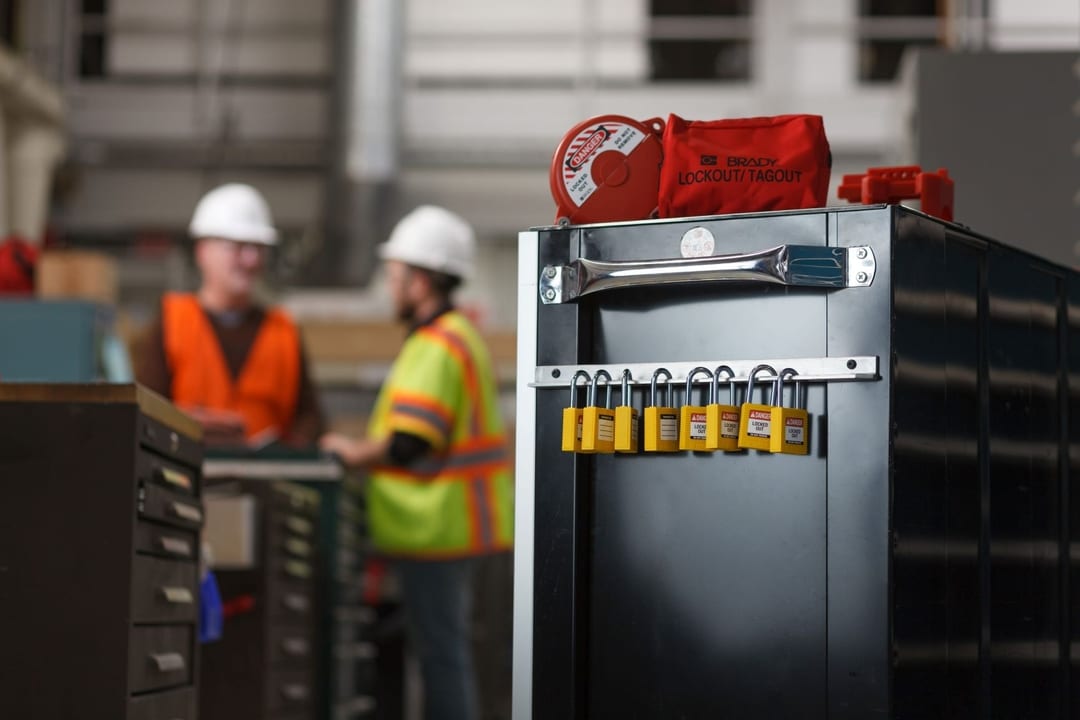
We will locate and clearly mark all energy control points, including: valves, switches, circuit breakers and fuses. These points will be permanently marked with appropriate labels. (It is worth mentioning here the printers available in our range.) We will then provide pre-authorised staff with the appropriate tools for locking and tagging, such as:
non-conductive padlocks, brass padlocks, valve locks, universal locks, fuse locks, tags, labels, group locking boxes, padlock hangers.
Finally, we will provide the guidelines and other materials produced during the audit.
In the final stage, we will pass on our knowledge to our staff. We will draw up a training plan tailored to specific target groups
We will also provide training for health and safety, production and maintenance specialists so that they can subsequently deliver training themselves. The training will include shift workers and external maintenance contractors.
Grouping of staff during the training:
Training for authorised staff – the most comprehensive training for staff who lock out or tag out equipment for maintenance and repair work, and who assess whether a piece of equipment might pose a risk to staff if it were to start up unexpectedly.
Training for affected staff – such staff must be informed of the LOTO procedures and must not remove safety locks; these are mainly staff whose work involves operating or using equipment subject to maintenance or repair work under the LOTO procedure, or who are required to be present in the area where such work is being carried out for work-related reasons.
Training for other staff – ‘other staff’ refers to those who may come across a lockout; all staff must understand the purpose of lockouts and must not remove them.
European standards: Directive 2009/104/EC (formerly Council Directive 89/655/EEC of 30 November 1989) - sets out the minimum requirements for the health and safety of workers using work equipment in the workplace. Article 2.14 thereof states that ‘work equipment must be fitted with clearly identifiable means of disconnecting it from all energy sources’. Article 2.15 stipulates that “work equipment must be fitted with warnings and markings essential for ensuring the safety of workers”.
Standard EN ISO 14118 (July 2018) on the safety of machinery (which replaced standard DIN EN 1037 November 2008) - specifies measures for disconnecting machinery from energy sources and dissipating energy in order to prevent dangerous, unexpected start-up of equipment. It also defines measures to enable safe human intervention in hazard zones.
Get in touch with us to book a free consultation with a LOTO expert.
Popular products
Something went wrong
Cookies
Cookie information
Ta witryna korzysta z własnych plików cookie, aby zapewnić Ci najwyższy poziom doświadczenia na naszej stronie . Wykorzystujemy również pliki cookie stron trzecich w celu ulepszenia naszych usług, analizy a nastepnie wyświetlania reklam związanych z Twoimi preferencjami na podstawie analizy Twoich zachowań podczas nawigacji.
Cookie management
Niezbędne ciasteczka do zapewnienia prawidłowego działania i świadczenia usług naszego sklepu internetowego. Pozwalają na zapamiętanie ustawień użytkownika, np. języka, waluty, koszyka, wyglądu strony, itp. Funkcjonalne ciasteczka nie zbierają żadnych danych osobowych ani nie przesyłają żadnych informacji do zewnętrznych stron.
| Cookies | Provider | Purpose | Validity term |
|---|---|---|---|
| PHPSESSID | 4safetynew | PHPSESSID jest plikiem cookie, który jest używany do identyfikowania sesji użytkownika na stronie internetowej. Sesja jest mechanizmem umożliwiającym zachowanie stanu i informacji o użytkowniku pomiędzy poszczególnymi żądaniami w trakcie jednej sesji połączenia. Ciasto PHPSESSID przechowuje unikalny identyfikator sesji, który jest wymagany do przetwarzania żądań i odpowiedzi pomiędzy przeglądarką a serwerem. Te pliki cookie trwają tylko do momentu zamknięcia przeglądarki. |
Sesja |
| PrestaShop-# | 4safetynew | W tym pliku cookie PrestaShop przechowuje dane umożliwiające utrzymanie otwartej sesji użytkownika. Zapisuje takie dane jak walutę, język, identyfikator klienta i inne informacje niezbędne do prawidłowego działania sklepu. |
480 godzin |
| _x13eucookie | 4safetynew | Zapamiętuje preferencje dotyczące plików cookie. |
365 dni |
| _x13eucookie_consent_hash | 4safetynew | Zapamiętuje preferencje dotyczące plików cookie i osatnio udzielonej zgody. |
365 dni |
Statystyczne ciasteczka zbierają anonimowe informacje o użytkownikach, takie jak liczba odwiedzających, źródła odnośników, itp. Te informacje pomagają zrozumieć, jak użytkownicy korzystają z witryny.
Marketingowe ciasteczka są używane do śledzenia użytkowników przez witryny. Celem jest pokazywanie bardziej dopasowanych treści reklamowych.
Te ciasteczka dotyczą dostowania witryny pod Twoje wymagania. Mogą np. wyświetlić informacje o wybranych dla Ciebie produktach.
About Cookies
Pliki cookie to niewielkie pliki tekstowe, które są zapisywane na komputerze lub urządzeniu mobilnym przez strony internetowe, które odwiedzasz. Służą do różnych celów, takich jak zapamiętywanie informacji o logowaniu użytkownika, śledzenie zachowania użytkownika w celach reklamowych i personalizacji doświadczenia przeglądania użytkownika. Istnieją dwa rodzaje plików cookie: sesyjne i trwałe. Te pierwsze są usuwane po zakończeniu sesji przeglądarki, podczas gdy te drugie pozostają na urządzeniu przez określony czas lub do momentu ich ręcznego usunięcia.