ATEX technical audit
Explosion risk assessment
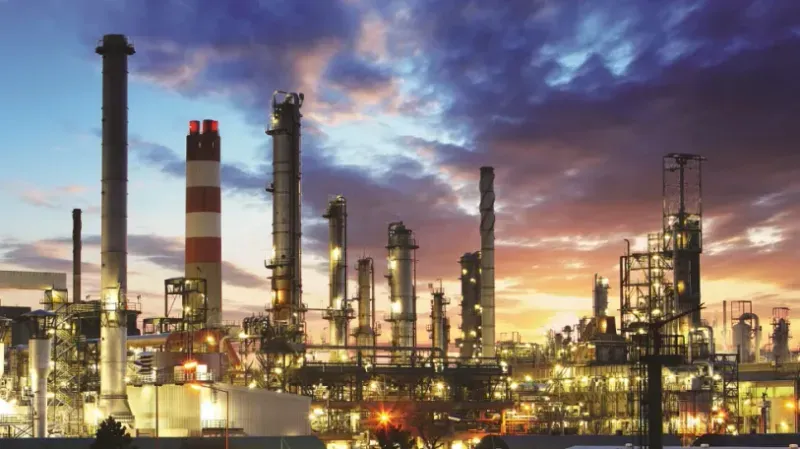
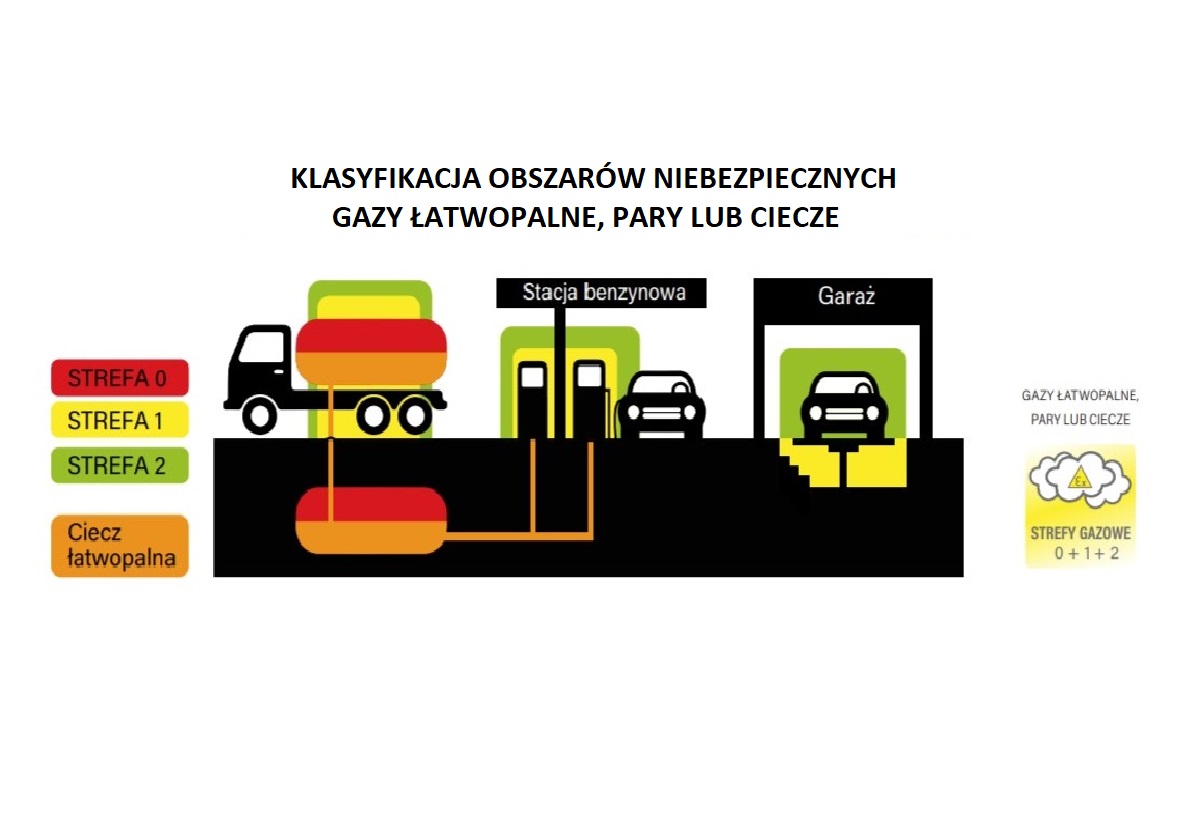
An explosive atmosphere (0, 1, 2) containing gases, vapours, mists and aerosols is usually found in:
- easy…
- chemical properties
- refineries, paint shops
- sewage treatment works
- power stations
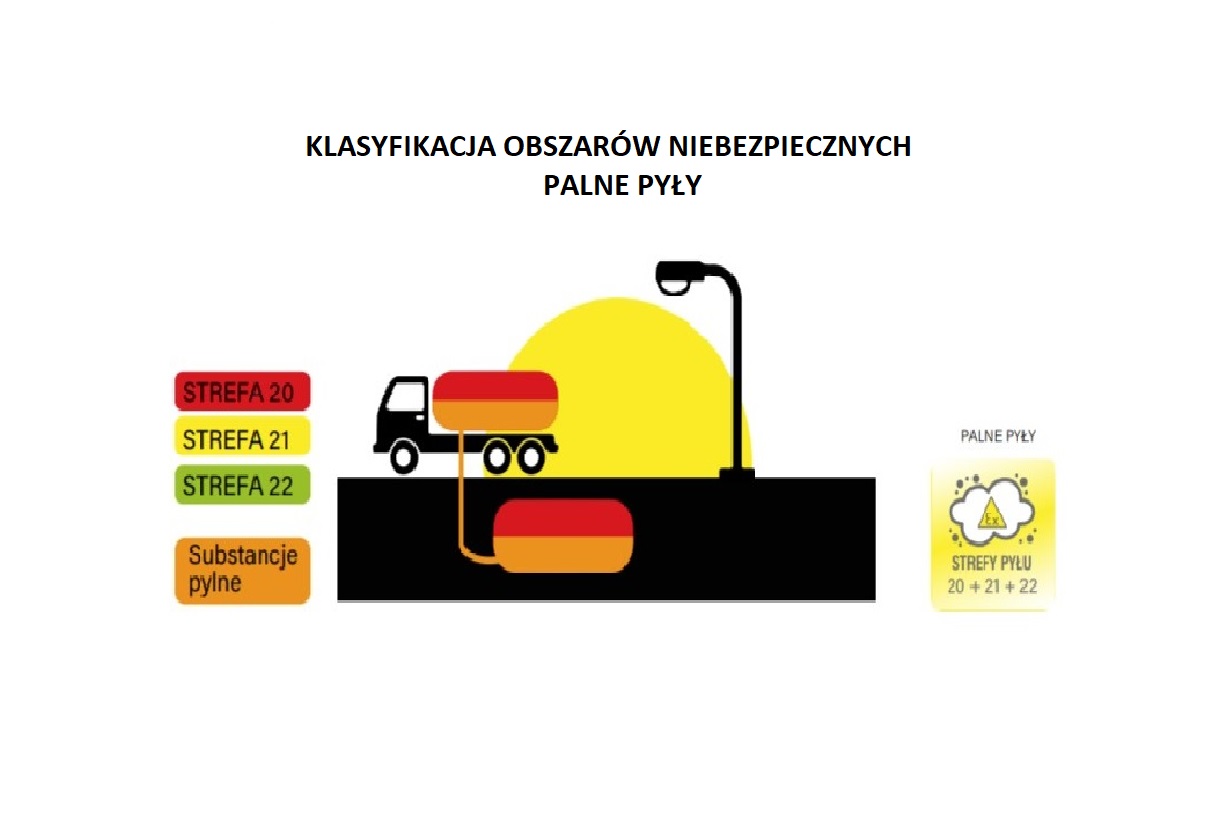
An explosive atmosphere (20, 21, 22) containing dust is generally found, amongst other places, in:
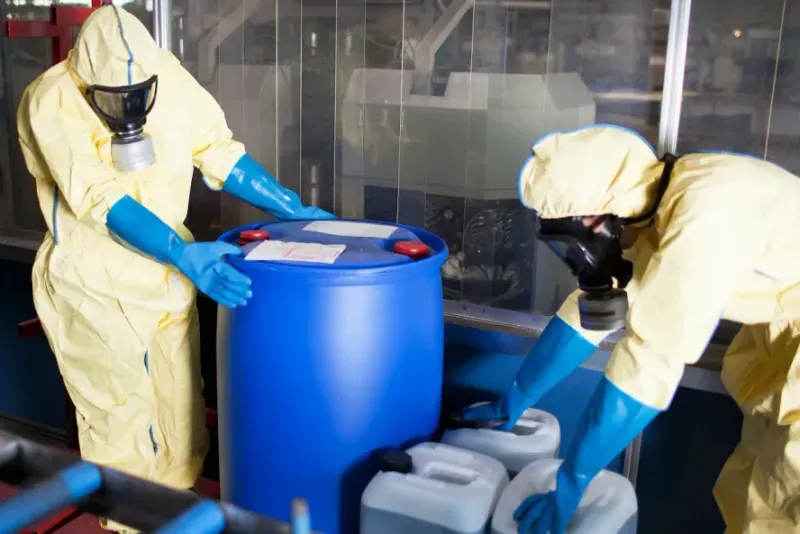
- chemical plants
- the pharmaceutical industry
- power stations, cement works
- food processing plants
- wood processing plants
When is an area considered to be at risk of explosion?
Premises are classified as potentially explosive if an explosive mixture may form within them as a result of the release of such quantities of flammable gases, vapours, mists, aerosols or dusts that an explosion could cause a pressure rise exceeding 5 kPa.
The basis for classifying an area as potentially at risk of explosion is the duration of emission and persistence of substances that form explosive mixtures with air. When classifying an area into the appropriate explosion hazard zone and selecting explosion-proof equipment, the physicochemical properties of the flammable substances present in that area are taken into account, including:
- explosive limits
- flash point for liquids
- auto-ignition temperatures
- minimum ignition energies
- explosivity groups
- density relative to air
Before classifying areas into the appropriate explosion hazard zones, measures should be taken to minimise the risk of an explosion.
What is an OZW?
An explosion risk assessment involves identifying the locations, rooms and outdoor areas where explosive mixtures may form, and identifying effective ignition sources capable of triggering an explosion.
The assessment of the explosion risk and classification into the relevant zones should be carried out by a team comprising specialists in, amongst others, the following fields: process engineering, environmental protection, occupational safety, fire safety, electrical engineering and ventilation. The risk assessment should be carried out in relation to both the production process and every operational state of the plant.
The two key elements of the OZW are:
- the likelihood of an explosive mixture forming
- the likelihood of effective ignition sources occurring
How can we support you in EX/ATEX zones?
- We will carry out explosion safety audits
- We will designate explosion hazard zones
- We will assess the design documentation in terms of explosion risk
- We will draw up Explosion Protection Documents (EPD)
- We will carry out an Explosion Risk Assessment (ERA)
- We will test the flammability and explosiveness of dusts, gases and liquids
- We will deliver ATEX training for manufacturers and users
- We will provide support and advice on the implementation of new projects relating to explosion safety
- We will carry out professional analyses of the explosive properties of dusts, gases and liquids with the involvement of a forensic expert (accredited expert)
- We will prepare risk analyses in accordance with European standards, as well as assess the documentation to ensure it is correct
- We will provide support with the implementation of the provisions of the DZPW, including the preparation of documentation that meets the requirements of the supervisory authorities
Are there any explosion hazard zones in your plant?
Please get in touch with us to book an explosion safety audit. We’ll be in touch within an hour.
Find out how hazardous areas are classified