
rfid
Categories
Containers for hazardous wasteContainers for oily wasteContainers for flammable substancesLaboratory containersImmersion containersPiston containersOther containersAccessories for containersContainers for removing liquidsContainers for acids and basesBiodegradable waste containersContainers for washing and cleaningContainers for sorbent/sandType I containersType II containers
Fireproof cabinetsSecurity cabinetsCabinets for batteries and accumulatorsCabinets for hazardous substancesCabinets for gas cylindersUnder-table cabinetsCabinets with pull-out shelvesCabinets for personal protective equipment (PPE)Cabinets for plant protection productsWorkshop cabinetsFans and filter fans for cabinets
Storage of lithium-ion batteries
Lithium-ion batteries are an integral part of modern industry. They power forklift trucks, mobile devices, cordless tools, energy storage systems, and machines used in production halls and logistics centers. However, they are subject to wear, and storing lithium-ion batteries is a process that requires the use of appropriate safety measures.
Are you looking for high-quality solutions? At 4safety you will find everything that will allow you to store lithium-ion batteries completely safely and in accordance with applicable regulations. Get to know the range of products we offer at your disposal, and if needed, take advantage of the comprehensive support of our team of advisors.
73 Products.
Show:
Sort by:
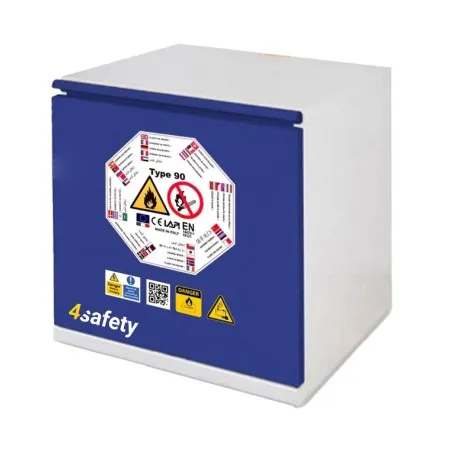
Fireproof cabinet for lithium-ion batteries, size L 90 min, 895 x 600 x 1950 mm
zł17,985.00
Tax excluded
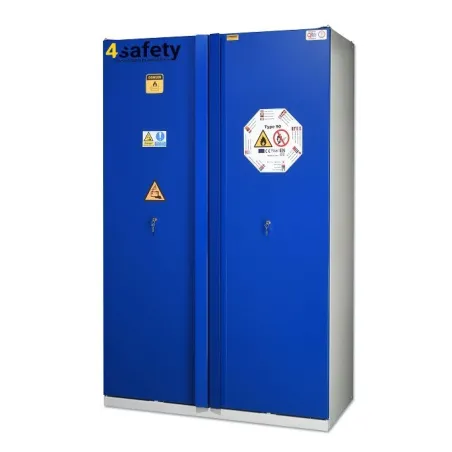
Fire-resistant cabinet for lithium-ion batteries, size XL 90 min, 1200 x 600 x 2050 mm
zł16,789.08
Tax excluded
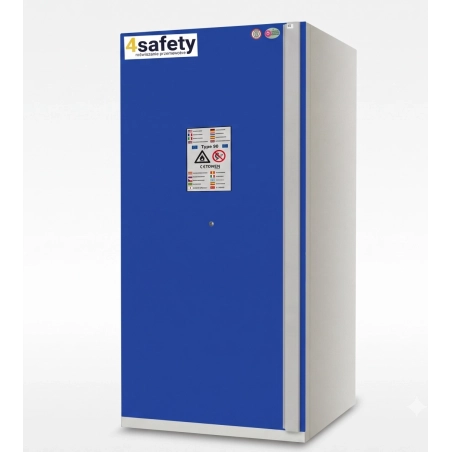
Fire-resistant cabinet for lithium-ion batteries, size M 90 min, 895 x 600 x 2050 mm
zł13,149.68
Tax excluded
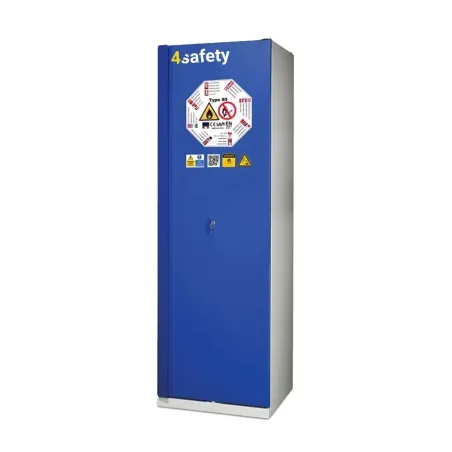
Fire-resistant cabinet for lithium-ion batteries, size S 90 min, 565 x 600 x 2050 mm
zł10,923.53
Tax excluded
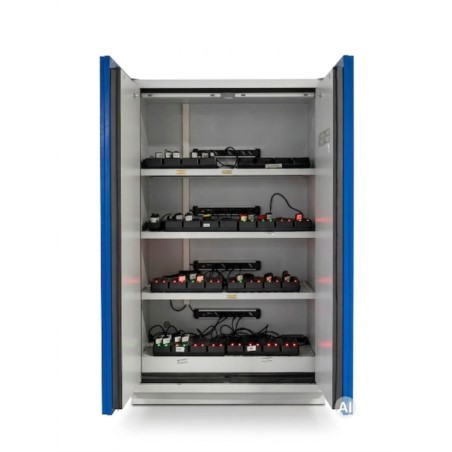
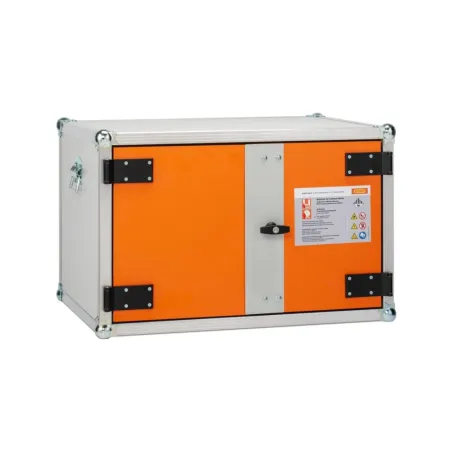
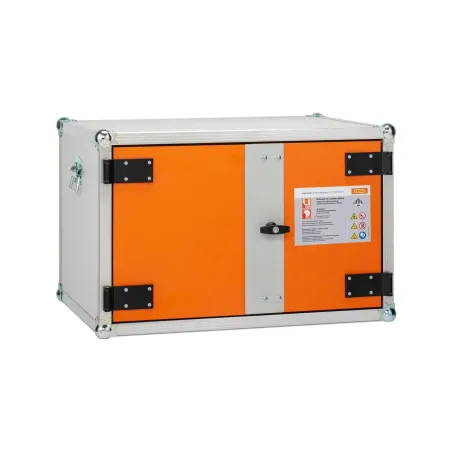
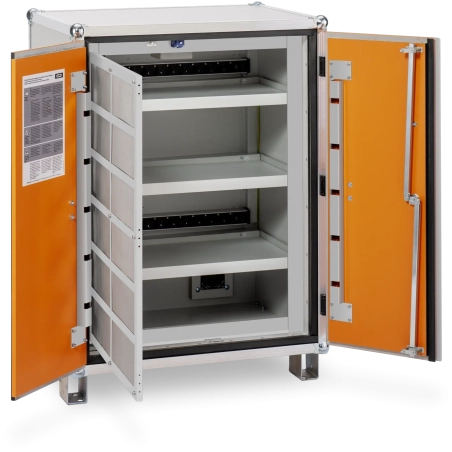
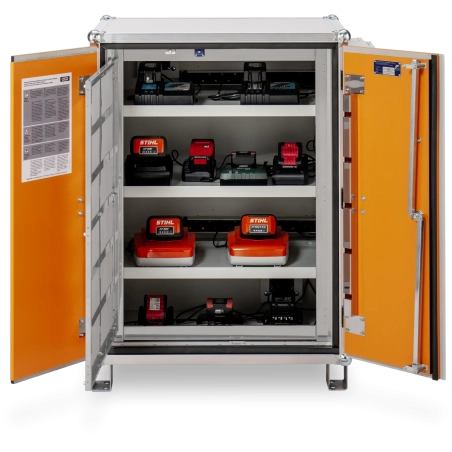
Battery charging cabinet 8/5 Basic, fire-resistant 60 min, lockEX 2.0
zł11,872.30
Tax excluded
Battery charging cabinet 8/5 Premium, fire-resistant 60 min, lockEX 2.0
zł13,889.00
Tax excluded
Charging cabinet for batteries 8/5 Premium Plus, fire-resistant 60 min, lockEX 2.0
zł19,066.20
Tax excluded
Battery charging cabinet 8/10 Premium, fire-resistant 60 min, lockEX 2.0
zł19,427.40
Tax excluded
Battery charging cabinet 8/10 Basic, fire-resistant 60 min, lockEX 2.0
zł15,875.60
Tax excluded
Battery charging cabinet 8/10 Premium Plus fire-resistant 60 min, lockEX 2.0
zł23,220.00
Tax excluded
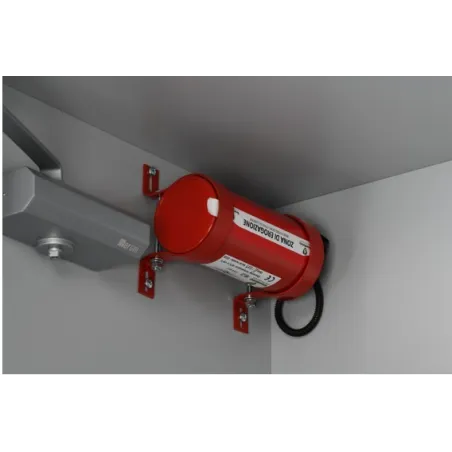
Automatic fire extinguisher for lithium-ion battery cabinets, with temperature sensor, certified
zł9,791.86
Tax excluded
Why the safe storage of lithium-ion batteries is an obligation of a modern industrial plant
The advantage of lithium-ion batteries is their high energy density, low weight, and efficiency. Nevertheless, these same features make them, in the context of occupational health and safety, a material with an elevated level of risk. In the event of mechanical damage, overcharging, or overheating, a violent chemical reaction known as thermal runaway may occur. It leads to fire, the release of toxic gases, and very high temperatures. The storage of lithium-ion batteries must therefore be planned in such a way as to eliminate all kinds of threats to people, property, and the environment.
Are you considering the choice of specific solutions? The storage of lithium-ion batteries holds no secrets for our team of specialists. Take advantage of 4safety's help right now and complete the right equipment set.
Lithium-ion batteries should be treated as dangerous goods requiring controlled storage conditions. It is crucial to maintain a stable temperature, limit humidity, and eliminate the risk of mechanical damage during transport and storage. In practice, this means moving away from the random storage of batteries on shelves or in transport crates in favor of dedicated protective solutions. The lack of appropriate procedures can lead to fire or a chain reaction involving many cells at the same time, making firefighting more difficult and increasing losses.
Improper storage of Li-Ion batteries also poses a real financial and organizational risk. A fire in a production and logistics zone can lead to production downtime lasting many days, destruction of infrastructure, loss of goods, and costly post-accident proceedings. For employees, this means a direct threat to health and life – especially when the incident occurs in the enclosed space of a hall. Therefore, a modern industrial plant should base its safeguards on specific OHS and fire protection procedures – taking into account the specifics of lithium-ion batteries, their classification as hazardous materials, and the need to use certified protective equipment.
The storage of lithium-ion batteries is only part of the offer that may prove essential for your company. Also check solutions available in the categories:
Storage of lithium-ion batteries – Key equipment solutions – From fire-resistant cabinets to charging systems
The basis for safe storage of lithium-ion batteries in industry is specialist fire-resistant cabinets designed to limit the effects of possible ignition. The 4safety offer includes solutions adapted to various usage scenarios – from compact under-desk cabinets to large models designed for storing a greater number of batteries or entire battery packs. The cabinet construction is based on materials with high fire resistance, which in the event of a fire limit the spread of flames beyond the enclosure and protect the surroundings from a sudden rise in temperature.
Fire resistance of several dozen minutes (in selected models even up to ninety minutes) gives emergency services time to react, reducing the risk of the entire hall being engulfed in fire. In practice, this means protection of the building structure, installations, and other materials stored nearby.
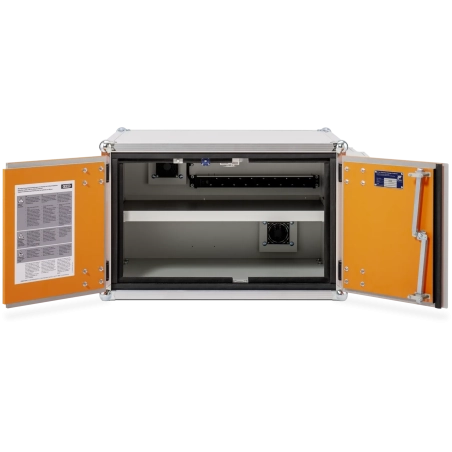
Cabinets for Li-Ion batteries are often equipped with ventilation systems limiting gas accumulation, temperature sensors, as well as solutions enabling safe battery charging without the need to move them to another zone. Such a combination of storage and charging functions improves work ergonomics and at the same time raises the level of safety. Detailed information about the applied technology can be found in the available product data sheets on the 4safety website.
The selection of the appropriate model should take into account both the quantity and type of stored lithium-ion batteries, as well as the spatial conditions in the plant. In halls with limited space, compact cabinets with increased fire resistance work better, while in large logistics centers separate zones equipped with larger storage units can be designated. It is also important to consider the method of use, namely the charging frequency, battery rotation, and service access. Thanks to this, the equipment meets safety requirements and truly supports work organization.
Integration of the solutions offered by 4safety with the existing OHS and fire protection systems in the plant makes it possible to create a coherent protection system. Battery cabinets can be an element of designated fire zones, cooperate with fire alarm systems, and evacuation procedures. Thanks to this, the storage of lithium-ion batteries ceases to be a weak link in safety and becomes a controlled, predictable process incorporated into the company's entire risk management strategy.
See how this product works in practice
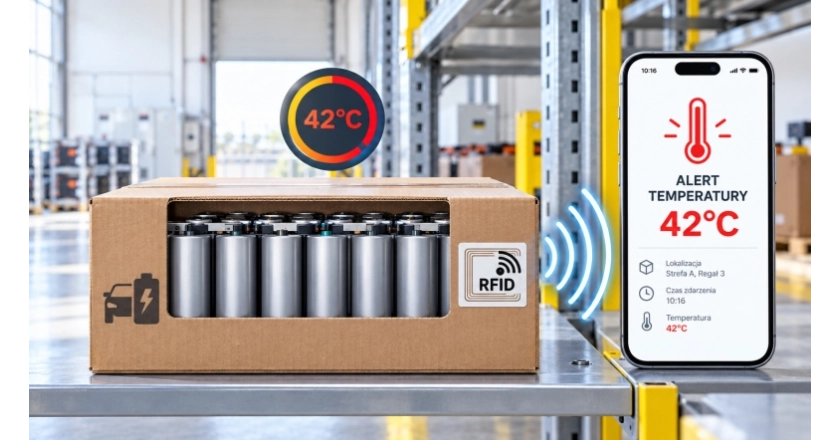

Lithium-ion batteries
Lithium-ion battery explosion — how to avoid it?
Read more
Ensure safety for yourself and your coworkers. Extend battery life, maintain their optimal performance, and avoid potential hazards.
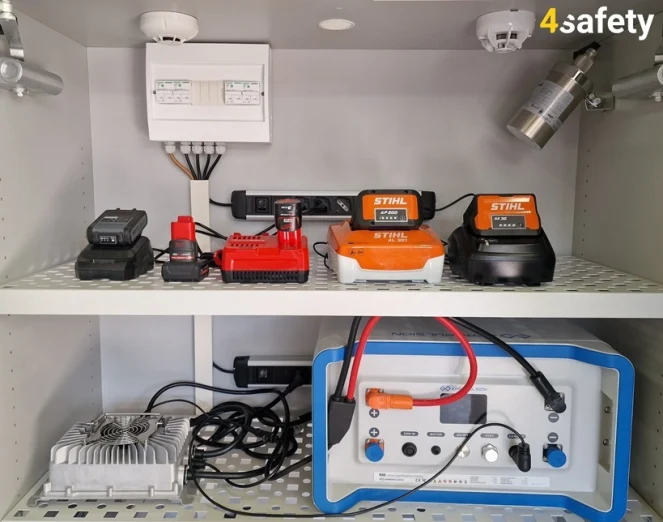
Lithium-ion batteries
How to safely store lithium-ion batteries?
Read more
Read and learn how to store, charge, and use lithium-ion batteries to feel safe in their presence.
Articles that may interest you
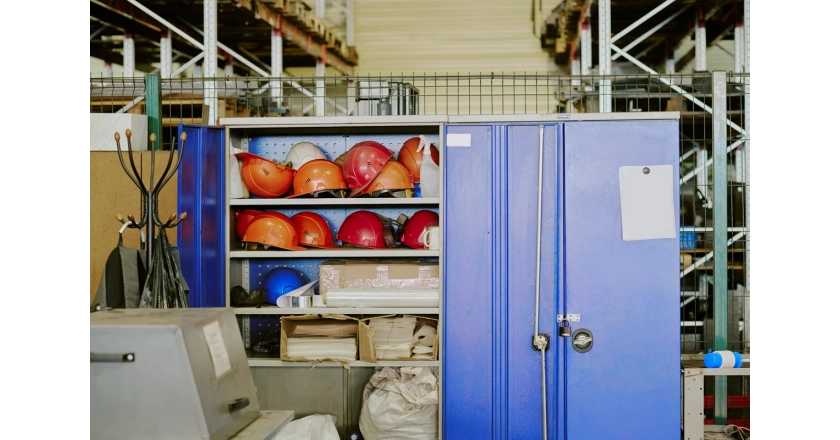
Storage of hazardous substances
Szafy ogniotrwałe – Normy, wymagania i zastosowania - Dokumenty Google
Read more
Odpowiadasz za zabezpieczenia i bezpieczeństwo pracowników w przedsiębiorstwie przemysłowym lub zakładzie produkcyjnym? Inwestycja w szafy ogniotrwałe stanowi zatem jeden z ważniejszych elementów na liście zabudżetowanego wyposażenia.