
Safe food production? See how La Lorraine tackled the challenges with 4safety!
Categories
Containers for hazardous wasteContainers for oily wasteContainers for flammable substancesLaboratory containersImmersion containersPiston containersOther containersAccessories for containersContainers for removing liquidsContainers for acids and basesBiodegradable waste containersContainers for washing and cleaningContainers for sorbent/sandType I containersType II containers
Fireproof cabinetsSecurity cabinetsCabinets for batteries and accumulatorsCabinets for hazardous substancesCabinets for gas cylindersUnder-table cabinetsCabinets with pull-out shelvesCabinets for personal protective equipment (PPE)Cabinets for plant protection productsWorkshop cabinetsFans and filter fans for cabinets
Protective bollards
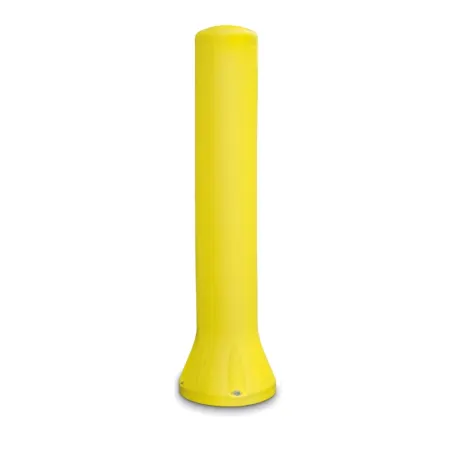
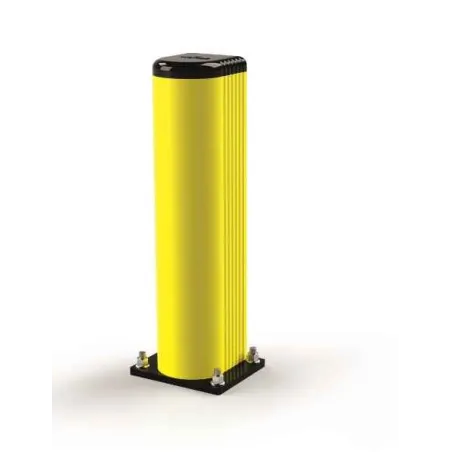
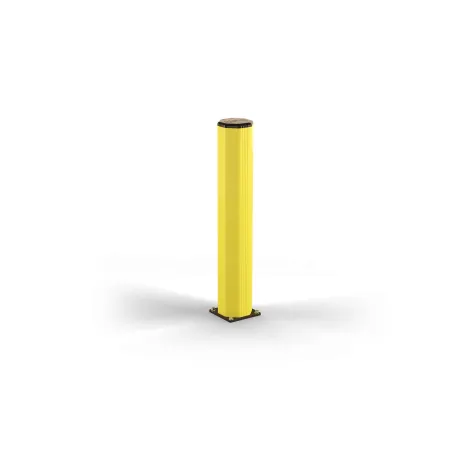
Protective bollards are the first line of defense against the effects of everyday traffic from transport machines – such as forklifts, pallet trucks, or loading vehicles. Their main task is to minimize the risk of collisions by physically separating hazard zones from traffic routes and workspaces. In a dynamic environment such as industrial and warehouse halls, the safety of infrastructure and people depends to a large extent on effectively planned protective solutions. So choose high-quality protective bollards available at 4safety.
Do you need support in putting together a set of protective equipment for your company? The 4safety team is at your disposal. Take advantage of our support at every stage of the investment project.
7 Products.
Sort by:
Why are protective bollards an essential element of industrial hall and warehouse equipment?
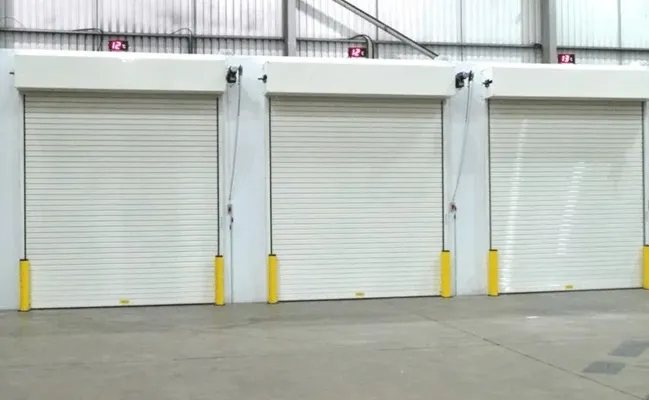
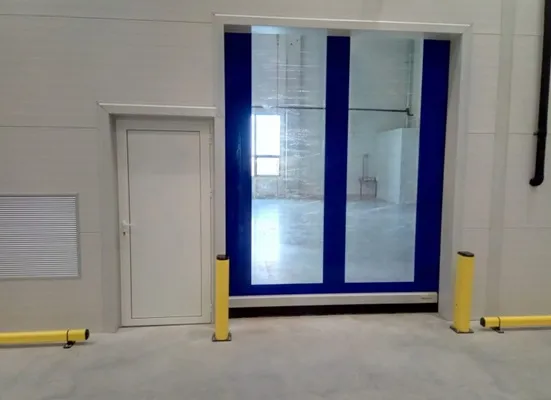
Thanks to the strategic placement of protective bollards at critical points, it is possible to effectively limit infrastructure damage and reduce potential threats to employees. Areas exposed to risk include, among others:
- wall corners,
- gates,
- structural columns,
- rack bases,
- loading zones.
Properly selected protective bollards secure the structural elements of buildings and hall equipment. They also prevent costly downtime resulting from the need for repairs or space reorganization after a collision. Additionally, they increase the overall sense of safety, translating into the efficiency and comfort of the team's work.
Types of protective bollards and their application – how to choose the right solution?
The choice of protective bollards should result from an analysis of the specifics of a given workplace and the characteristics of potential hazards. At 4safety, we offer both steel bollards and modern flexible protective bollards made of plastics. They deform upon impact, absorbing the force of the collision and reducing damage to vehicles and structures.
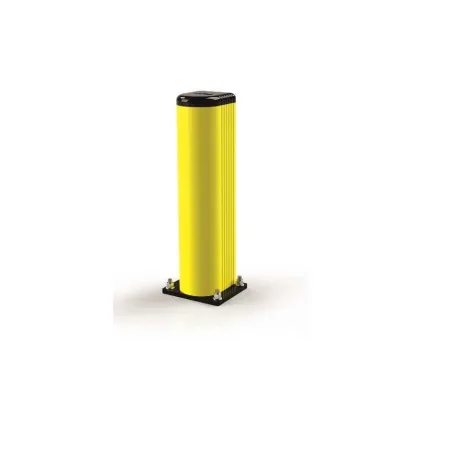
Protective steel bollards are perfect for places requiring solid protection — at entrance gates, structural supports, or around high-value machines. Flexible protective bollards, in turn, are the ideal solution in zones with intensive traffic – where the risk of contact with transport carts is high. During hall modernization or event organization, it is worth choosing portable protective bollards. They can be easily and quickly set up and moved depending on needs.
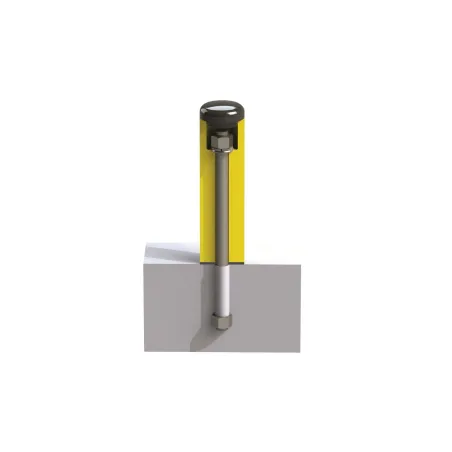
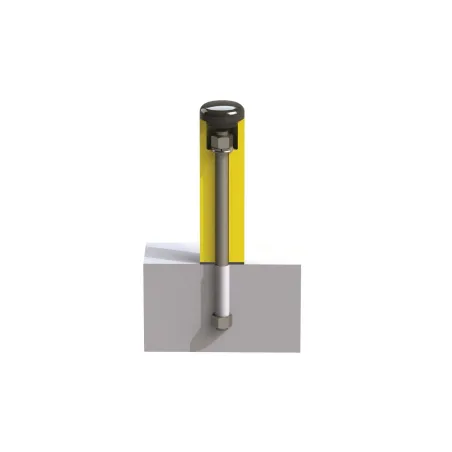
Protective bollards can be mounted directly in the ground or as part of extensive protection systems – combined with barriers, protective nets, or warning tapes. The variety of available heights and diameters makes it possible to adapt protective bollards to specific operating conditions, and the use of vivid colors and reflective elements increases their visibility even in poorly lit spaces.
Also check out our other products:
Why is the quality of protective bollards crucial for safety?
Protective bollards intended to protect people, machines, and infrastructure must meet strict strength standards – confirmed by certificates of compliance with European standards. It is impact resistance, the durability of the materials used, and workmanship quality that determine their real effectiveness.
Equally important is the aesthetics and visual consistency of the protective elements with the entire plant space. Well-designed and solidly made protective bollards demonstrate a company’s high standards and concern for employee safety. This is a signal to both the team and contractors that a given industrial facility operates based on clear procedures and a culture of responsibility.
Protective bollards from 4safety – Check what sets our offer apart
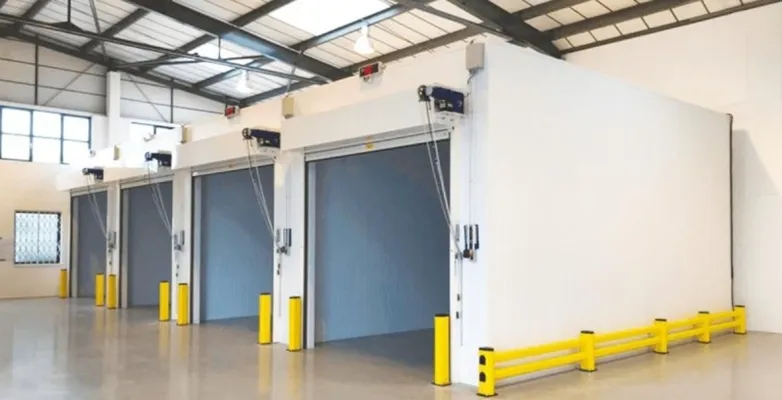
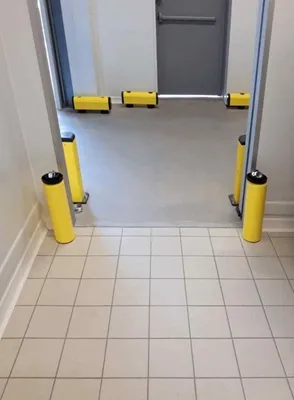
We provide a wide selection of solutions tailored to diverse needs – from heavy steel bollards designed for ground mounting to flexible models made of deformation-resistant materials. The protective bollards in our offer have been designed with a specific function and working environment in mind. We offer solutions in various heights, diameters, and finishes – all characterized by high visibility thanks to the use of vivid colors and reflective elements.
Do you have questions? The 4safety team of specialists is ready to help at every stage of implementation – from technical consulting and analysis of customer needs to selecting the right product and its delivery. We guarantee fast project completion times and flexible options for adapting solutions to the investor’s requirements. We encourage you to ознакомиться with the full offer of protective bollards and to contact an advisor directly, who will help find a solution ideally suited to the specifics of your facility.
Protective bollards – FAQ – Frequently asked questions
What are protective bollards used for in industrial halls and warehouses?
Protective bollards from 4safety are one of the basic safety elements in industrial spaces. Their task is to protect people and infrastructure – machines, racks, gates and structural elements of the building. They eliminate the risk of impacts, collisions and accidents – especially incidents caused by moving forklifts or other transport vehicles. In places with high traffic intensity, protective bollards act as physical barriers that effectively reduce hazards. Their presence increases control over traffic in the workspace and helps minimize unforeseen incidents that may lead to costly downtime or damage.
What types of protective bollards are available at 4safety?
The 4safety range includes protective bollards that you can match to the specifics of any facility. Popular options are steel models, distinguished by high mechanical resistance and durability. An alternative is flexible bollards, which deform upon impact, reducing the force acting on the protected object. There are also protective bollards that are bolted to the ground (mobile, temporary) or intended to be set in concrete (permanent). This is of significant importance when planning the durability of safety measures.
What should you pay attention to when choosing protective bollards?
The height and diameter of a protective bollard affect its effectiveness in stopping vehicles of a specific weight and speed. Impact resistance must be adapted to the hazards present in a given zone. Visibility is equally important. The most commonly used yellow-black color scheme makes it possible to notice the obstacle even in limited lighting conditions. Remember that protective bollards from 4safety meet occupational health and safety regulations and can be integrated with other elements of the protective system – such as linear barriers.
Where is the best place to install protective bollards?
The effectiveness of protective bollards largely depends on their placement. Key and critical points include: wall corners, traffic routes, entrance gates, loading and unloading zones, as well as areas around production machines or warehouse racks. Protective bollards from 4safety are also worth installing near electric forklift charging stations and by emergency exits. Well-planned placement protects infrastructure and supports the smooth flow of logistics processes, improving work ergonomics.
What are the benefits of investing in high-quality protective bollards?
Investing in protective bollards from 4safety helps reduce the risk of infrastructure damage and costly downtime related to repairs or equipment replacement. Protective bollards also contribute to improving staff safety. This is an important issue in the context of occupational health and safety audits and external inspections.
See how this product works in practice
Warehouse barriers
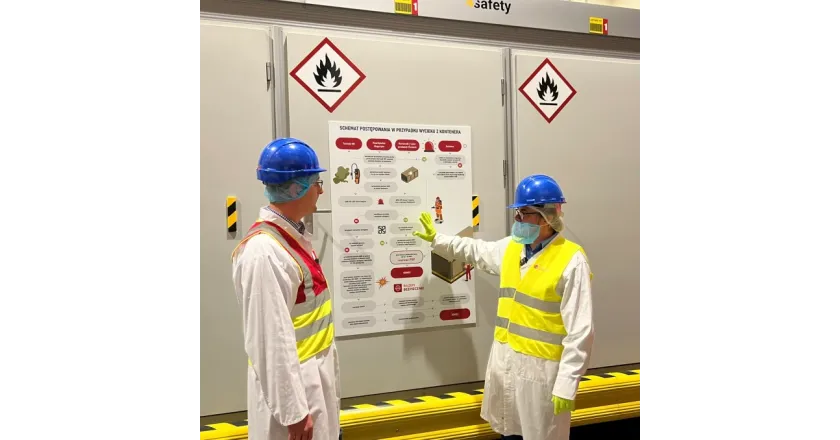
Safe food production? See how La Lorraine coped with the challenges with 4safety!
Read more
Case study
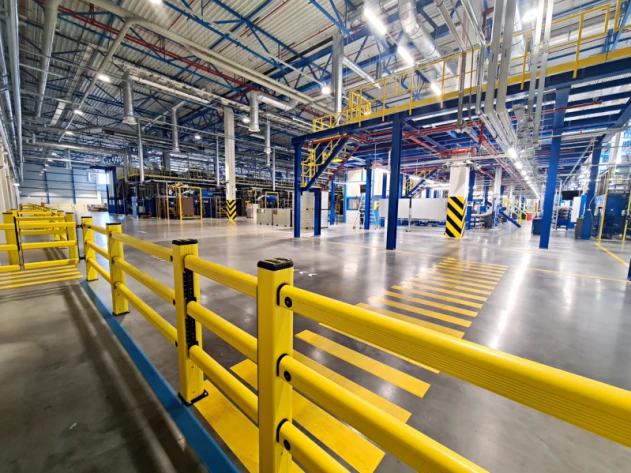
Case study: implementation of a flexible barrier system in a production plant!
Read more
Discover the facility that prioritizes safety! See the implementation of a flexible barrier system in a production plant! What the entire process looks like from concept to completion.
Warehouse barriers
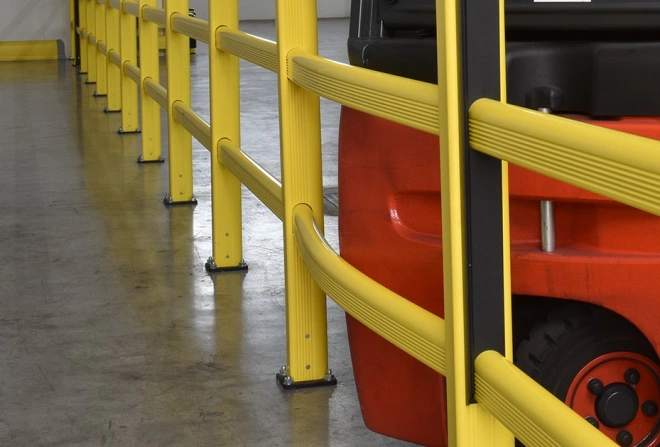
Steel or flexible: which industrial bumpers should you choose?
Read more
Steel or flexible barriers? See the comparison and choose the best warehouse barriers. They protect infrastructure, machines and, most importantly, people's health and lives. Comprehensive equipping of the facility with appropriate barriers costs in the range of PLN 400k - 5 million. Therefore, it is important to choose the right protections already at the warehouse or hall design stage.
Articles that may interest you
Storage of hazardous substances
Szafy ogniotrwałe – Normy, wymagania i zastosowania - Dokumenty Google
Read more
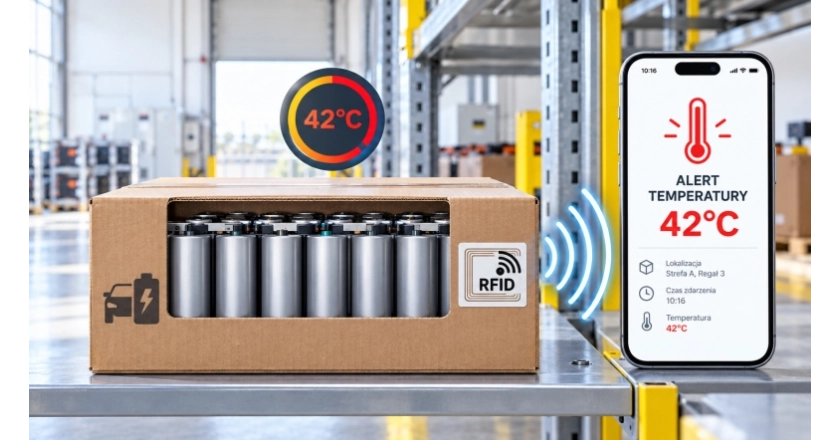
Odpowiadasz za zabezpieczenia i bezpieczeństwo pracowników w przedsiębiorstwie przemysłowym lub zakładzie produkcyjnym? Inwestycja w szafy ogniotrwałe stanowi zatem jeden z ważniejszych elementów na liście zabudżetowanego wyposażenia.