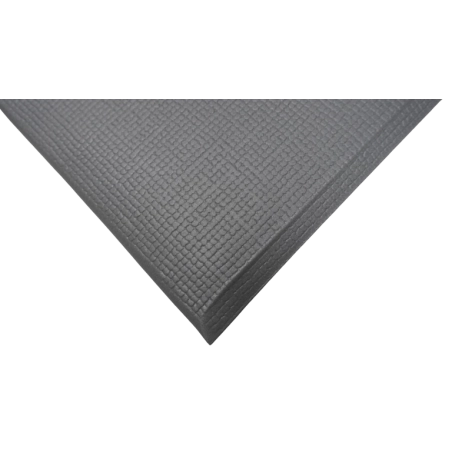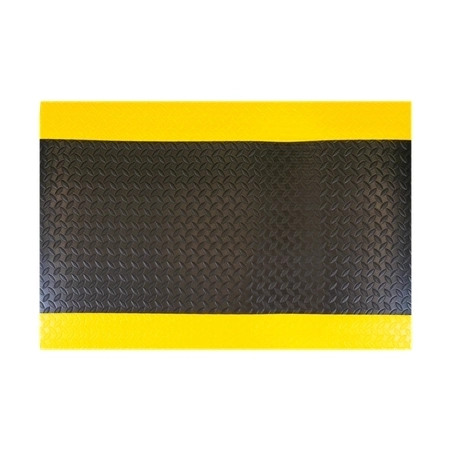


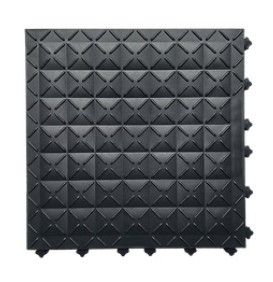



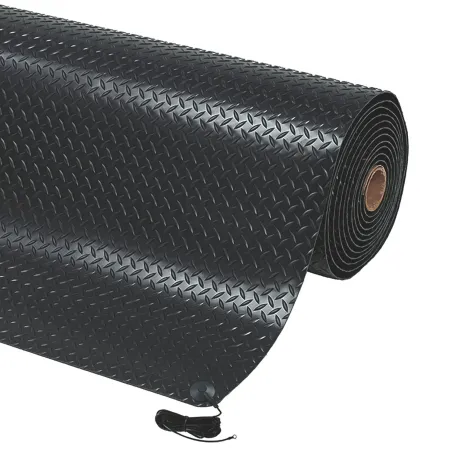

See our comprehensive guide and choose the ideal industrial mats for your facility based on the work environment, industry, the time an employee stands at the workstation, and occupational health and safety standards requirements.
Categories
Containers for hazardous wasteContainers for oily wasteContainers for flammable substancesLaboratory containersImmersion containersPiston containersOther containersAccessories for containersContainers for removing liquidsContainers for acids and basesBiodegradable waste containersContainers for washing and cleaningContainers for sorbent/sandType I containersType II containers
Fireproof cabinetsSecurity cabinetsCabinets for batteries and accumulatorsCabinets for hazardous substancesCabinets for gas cylindersUnder-table cabinetsCabinets with pull-out shelvesCabinets for personal protective equipment (PPE)Cabinets for plant protection productsWorkshop cabinetsFans and filter fans for cabinets
ESD anti-static mats
39 Products.
Show:
Sort by:
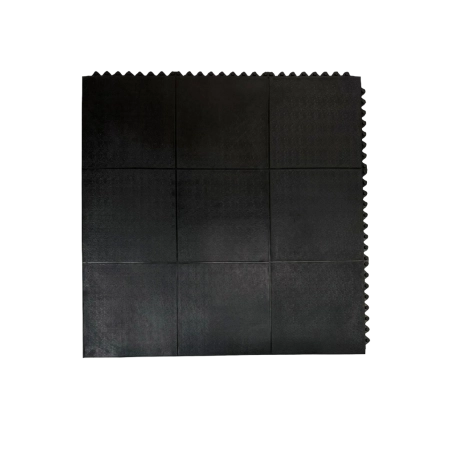
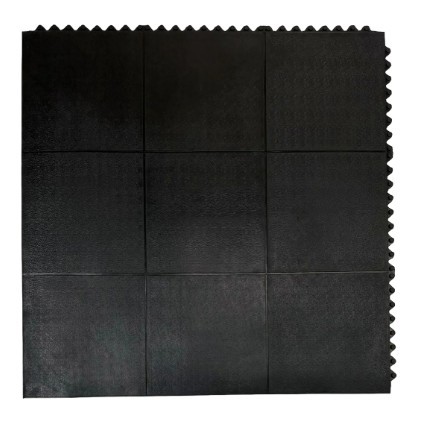
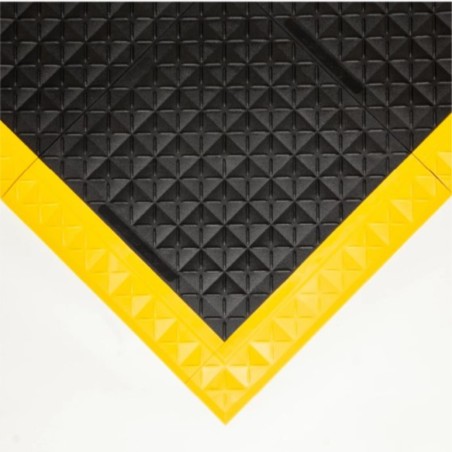
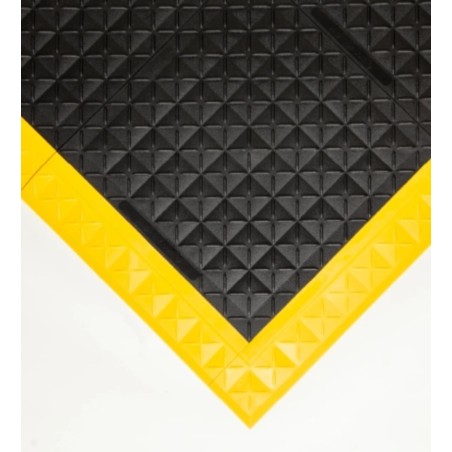
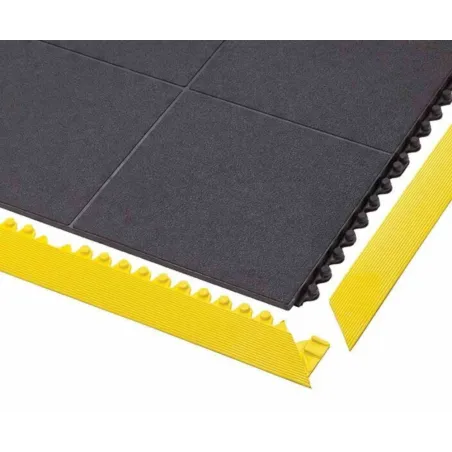
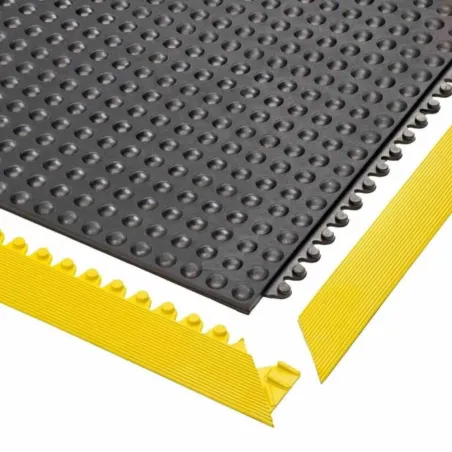
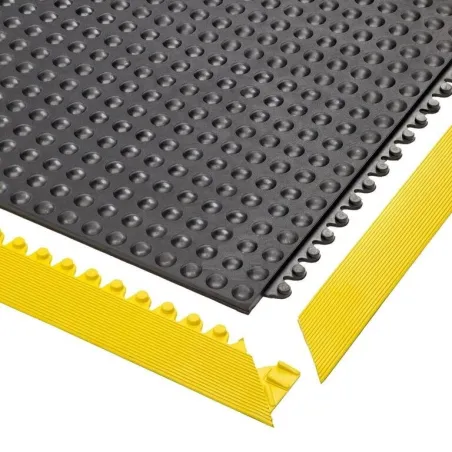
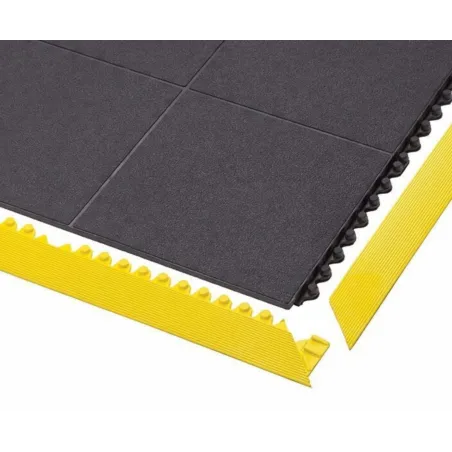
Modular ESD mat, 4safety, H5, 112 x 112 cm, black-yellow including edging set
zł2,286.00
Tax excluded
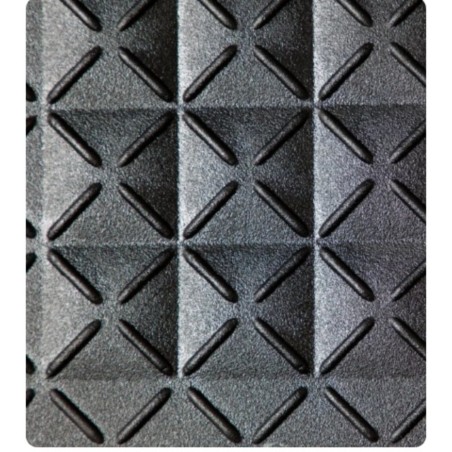
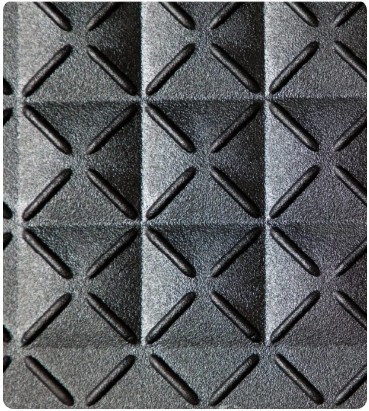
Antistatic ESD mats are made of natural rubber that dissipates electrostatic charges. They protect people from shocks caused by static electricity and sensitive devices that could be damaged. ESD floor mats also have anti-fatigue and cushioning properties, thus providing safety and comfort in the workplace. According to IEC and ANSI standards, all conductors in the work environment must be grounded to the same grounding point. In our offer you will find various types and sizes of ESD mats, as well as the necessary accessories.
Electrostatic discharge (ESD) can pose a serious threat to electronic devices, as well as to people working around such devices. To prevent injuries to people, electronic damage, and possible financial losses, use antistatic ESD mats. Learn more about electrostatic mats, when they are essential, and what to pay attention to when choosing such a mat.
An antistatic mat is a special type of mat used to prevent dangerous electrostatic discharges. It is a flexible surface that can be made of various materials, such as rubber, plastic, or conductive fabric. The antistatic mat is designed in such a way as to dissipate accumulated electrostatic charges, preventing them from building up on the surface of the mat and on the objects placed on it.
1. How does an electrostatic mat work?
An electrostatic mat works by creating a safe escape path for electrostatic charges. If an electrostatically charged object is placed on the antistatic mat, the charges will be dissipated through the mat to ground. Thanks to this, ESD mats prevent the buildup of charges and reduce the risk of their accidental discharge, which could damage nearby electronic devices.
2. Benefits of using antistatic mats:
4.1 Prevention of damage caused by electrostatic discharge (ESD)
One of the main advantages of antistatic mats is their ability to prevent ESD damage. Charge-dissipating mats ensure that sensitive electronic components remain safe during handling, assembly, or testing processes.
4.2 Personnel safety
.By providing a controlled path for electrostatic discharges, these mats reduce the risk of electric shock, protecting employees from potential harm.
4.3 Equipment protection
In addition to protecting personnel, antistatic mats also protect expensive electronic equipment from electrostatic damage. By providing a grounding surface, these mats prevent the buildup of electrostatic charges and minimize the risk of component failure.
4.4 Increased productivity
By creating a statically safe environment, antistatic mats help increase productivity. Employees can focus on their tasks without worrying about potential ESD events or damage to sensitive equipment. This leads to increased efficiency and reduced downtime.
3. What should you consider when choosing an ESD mat?
Here are the most important factors worth considering when choosing ESD mats.
- Material: Choose a mat made of conductive or electrostatic-resistant material. Such materials effectively reduce electrostatic charges.
- Size and thickness: Make sure the selected mat is of the appropriate size and thickness to accommodate all necessary equipment and provide a comfortable workspace.
- Grounding: Check whether the antistatic mat is equipped with grounding. Grounding is essential for effectively dissipating electrostatic charges.
- Chemical resistance: If you intend to work in an environment where chemicals are present, make sure the selected mat is resistant to those substances.
- Performance: Read opinions and reviews from other users to find out how a given mat performs in practice.
- Anti-fatigue properties: an electrostatic mat may also have anti-fatigue properties. This positively affects staff comfort and reduces the risk of many injuries.
- Durability: choose mats intended for industrial environments; they are much more durable and resistant than popular mats from supermarkets.
4. Applications of electrostatic mats in various industries
Antistatic mats are used in many industries where there is a risk of electronic devices being damaged by electrostatic discharge. Here are a few examples of industries in which antistatic mats are essential:
- Electronics and semiconductor manufacturing
- Computer industry and IT
- Telecommunications
- Aerospace industry
- Automotive industry
- Medicine and the medical industry
- Scientific research and laboratories
5. Antistatic mats and workstations
Antistatic mats are particularly important at workstations where there is a large number of electronic devices or items susceptible to electrostatic damage. Examples of such workstations include:
- Electronics laboratories
- Service centers
- Factories manufacturing electronic devices
- Electronics stores
- Design offices
6. Grounding the antistatic mat
Grounding the antistatic mat is crucial for its effectiveness in dissipating electrostatic charges. The mat should be connected to ground using a grounding wire. This wire should be properly connected to the electrical grounding in the building or to an external grounding source. In this way, electrostatic charges will be effectively carried away from the mat to ground, minimizing the risk of their accumulation and damage to electronic devices.
Choosing the right antistatic mat depends on many factors, such as material, size, grounding, and application. There is currently a wide selection of electrostatic mats available on the market. If you do not know which mat to choose for specific workstations, contact us. Our advisor will help you choose the right type of mat for the conditions in your facility.
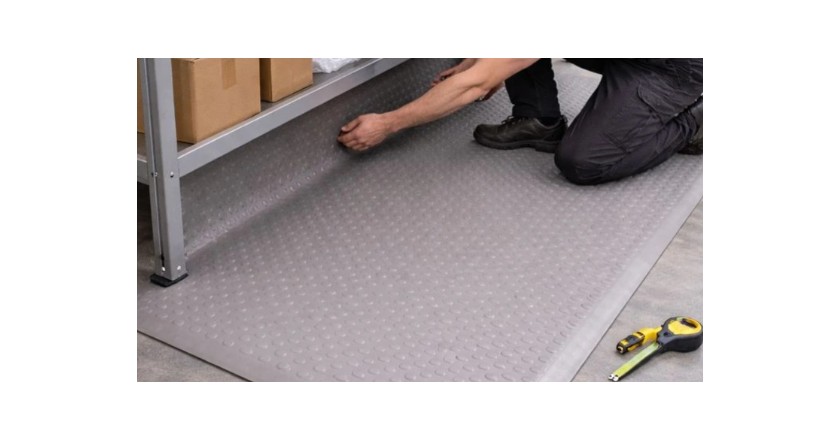
See how this product works in practice
Ergonomics
How to choose an industrial mat for a facility? A comprehensive guide
Read more
Articles that may interest you


Storage of hazardous substances
Szafy ogniotrwałe – Normy, wymagania i zastosowania - Dokumenty Google
Read more
Odpowiadasz za zabezpieczenia i bezpieczeństwo pracowników w przedsiębiorstwie przemysłowym lub zakładzie produkcyjnym? Inwestycja w szafy ogniotrwałe stanowi zatem jeden z ważniejszych elementów na liście zabudżetowanego wyposażenia.