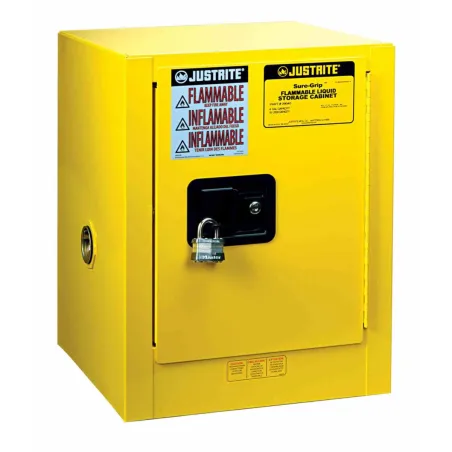
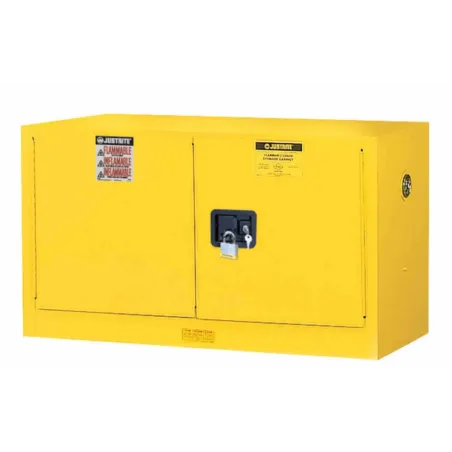
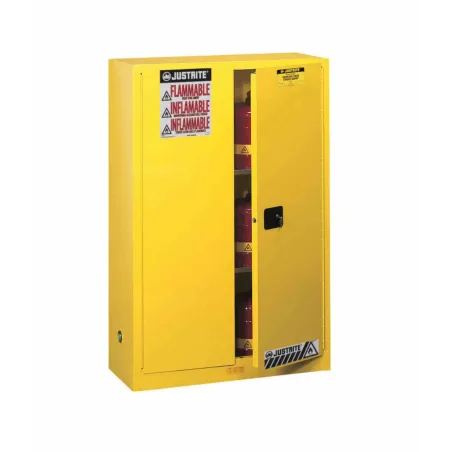
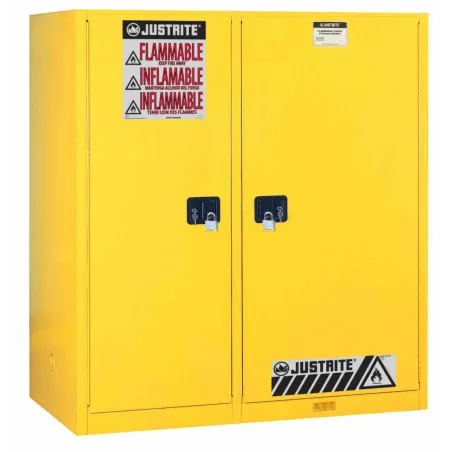
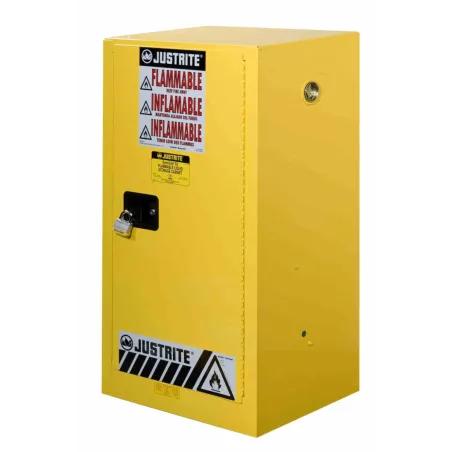
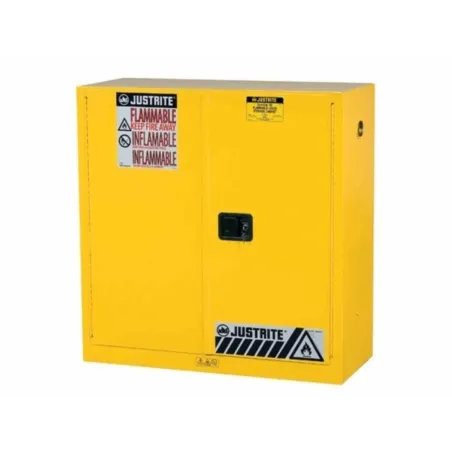
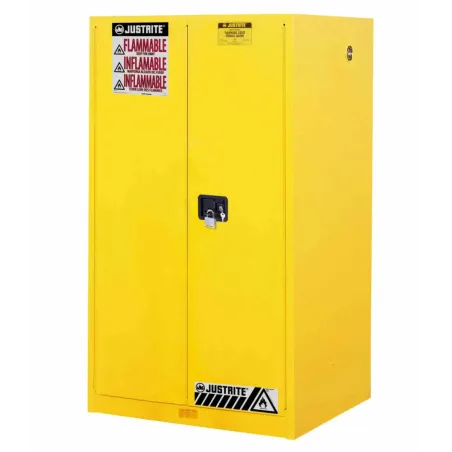
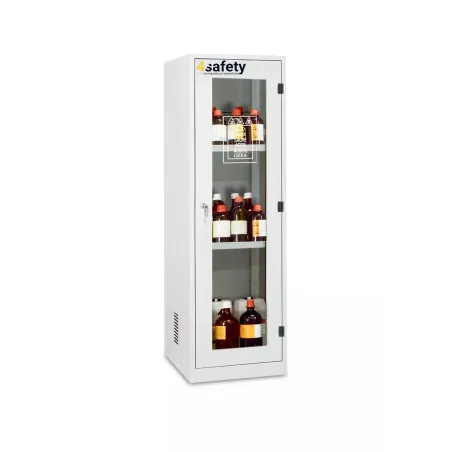
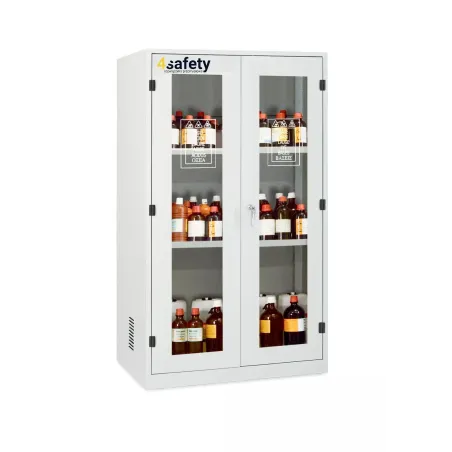
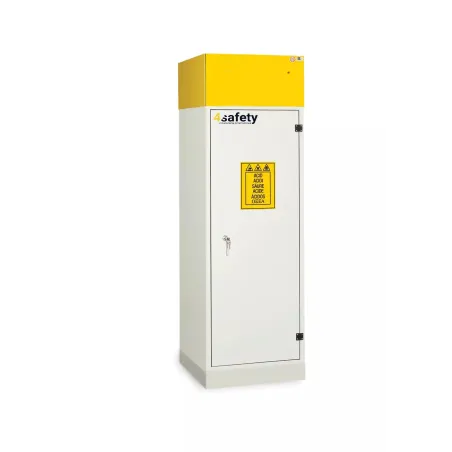
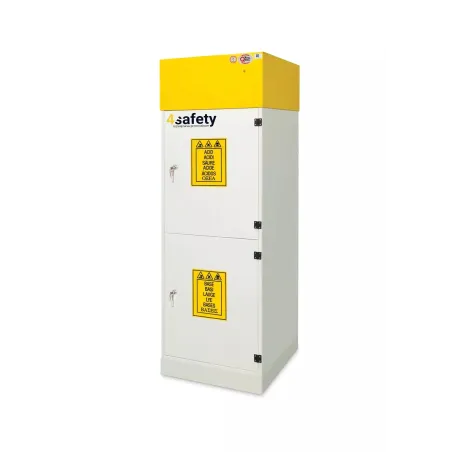
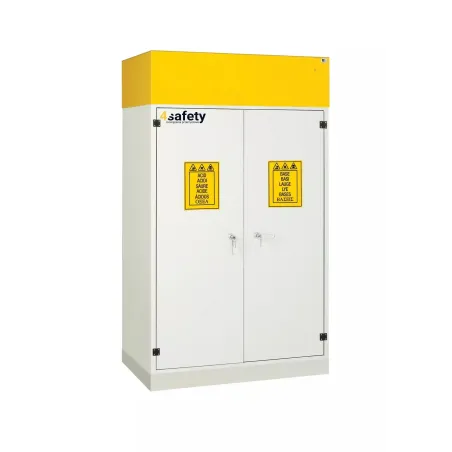
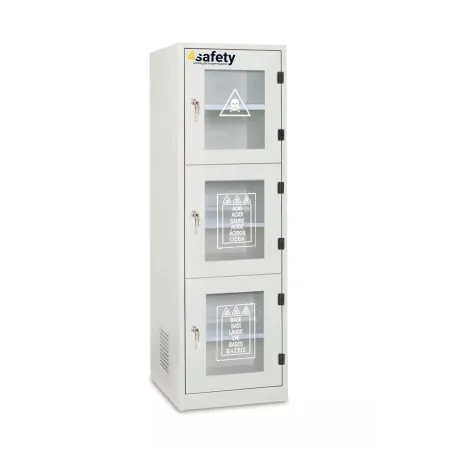
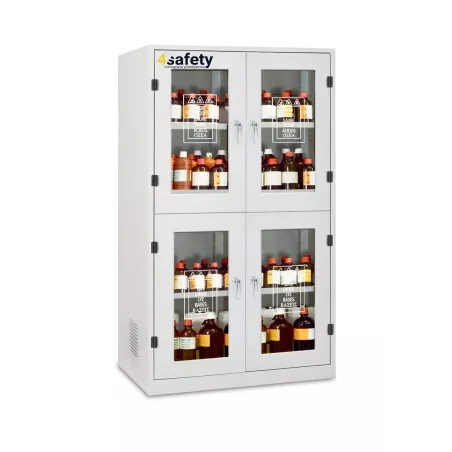
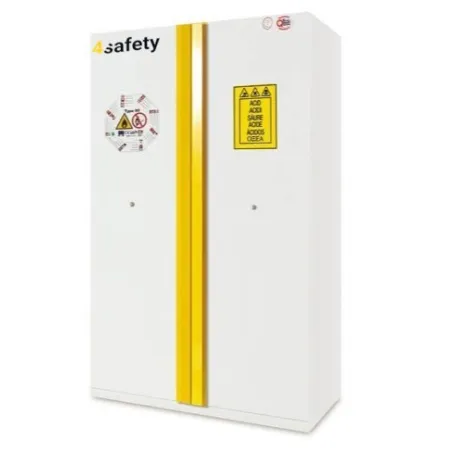
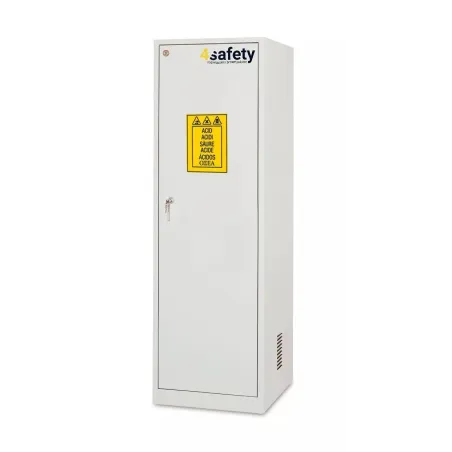
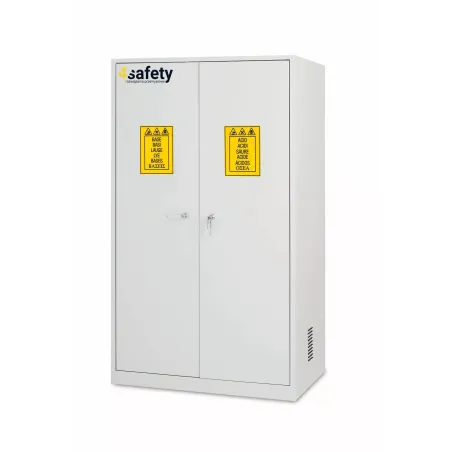
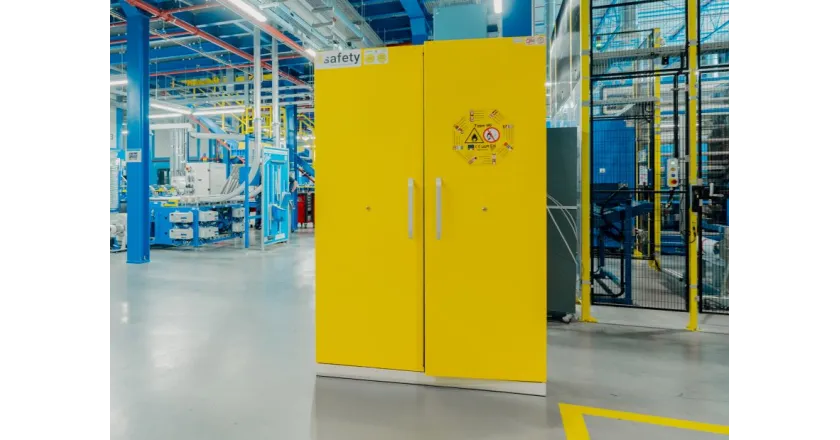
In industrial environments, laboratories, manufacturing plants and many other places, hazardous substances, chemicals and flammable materials are a daily part of work. Therefore, safety cabinets are an essential element of protection and safety..
What are safety cabinets used for?
Safety cabinets, also known as hazardous substance cabinets or chemical storage cabinets, chemical cabinets, are designed to ensure proper storage and protection against chemicals, flammable materials, toxic substances and other hazardous substances.
Why it is worth using safety cabinets:
- Safe storage: a safe and controlled place to store hazardous substances in order to avoid accidents and failures.
- Environmental protection: they help maintain environmental cleanliness and safety by minimizing the risk of leakage or spread of hazardous substances.
- Compliance with regulations: in many industries there are regulations and standards that require hazardous substances to be stored in properly secured cabinets in order to meet safety requirements.
- Order and easier access - thanks to safety cabinets, you can conveniently store hazardous substances at the workstation.
- Protection against access by unauthorized persons.
Types of safety cabinets:
Chemical cabinets: intended for storing chemicals, acids, alkalis and other chemical substances. They have internal shelves and special materials that are resistant to corrosion and chemical reactions.
Flammable substance cabinets: used for storing flammable materials such as paints, solvents and varnishes. They usually have special ventilation and spark-prevention systems.
Gas cylinder cabinets: are intended for the safe storage and dispensing of compressed gas cylinders.
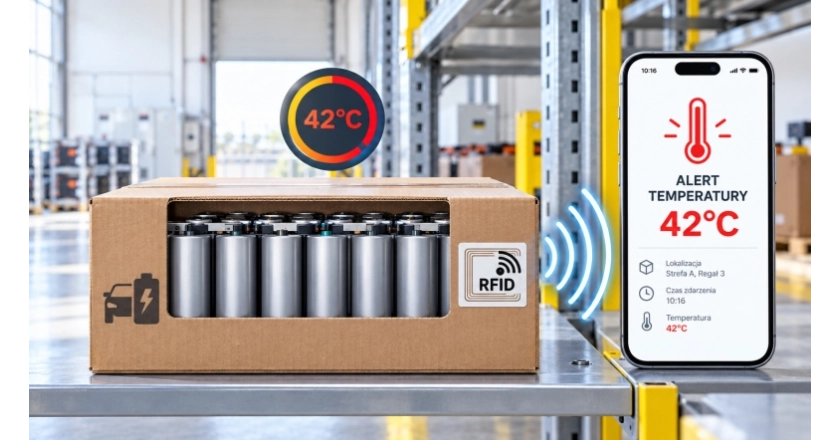
Battery cabinets: special cabinets for lithium-ion batteries, highly fire-resistant with additional safety systems for fire suppression and with the possibility of controlled battery charging.
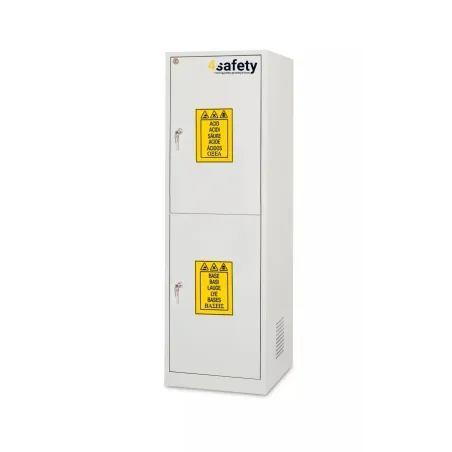
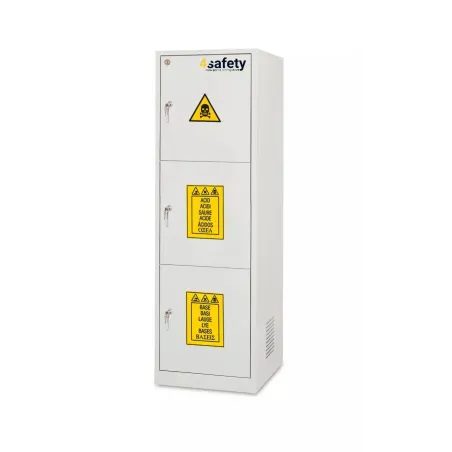
Acid and alkali cabinets: are intended for storing hazardous chemicals such as acids, alkalis or alkaline solutions - made of durable materials resistant to even aggressive chemicals.
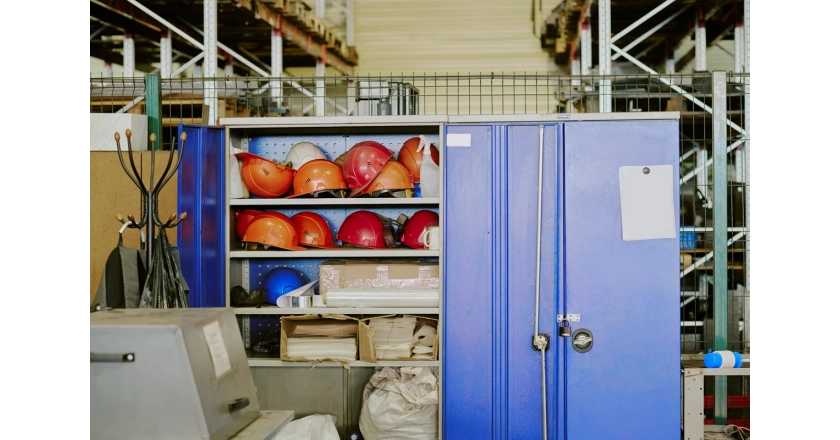
Workshop cabinets: they are ideal for places where the use of fire-resistant cabinets is not required. You can conveniently store containers with various substances in them.
Where safety cabinets are essential:
Chemical industry: in the chemical sector, where various types of chemical substances are stored, safety cabinets are a key element enabling safe and comfortable work.
Pharmaceutical industry: during the production of medicines and pharmaceuticals, controlled storage conditions are essential.
Petrochemical industry: in the petrochemical sector, where flammable substances are used, safety cabinets prevent potential disasters.
Anywhere hazardous substances must be stored.
Hazardous substances used in industry are substances that, due to their chemical, physical, or toxicological properties, may pose a threat to human health, the environment, or property. These substances are present in various industrial sectors and may be used for different purposes, such as production, processing, or storage.
Examples of hazardous substances used in industry:
Toxic chemicals: they may be poisonous to humans or animals, such as pesticides, herbicides, insecticides, plant protection products, or some substances used in the pharmaceutical industry.
Flammable chemicals: these are substances that are prone to ignition and may lead to fires and explosions. Examples include solvents, gasoline, propane, or ethanol.
Reactive chemicals: they may exhibit chemical reactivity and may lead to uncontrolled reactions, such as sulfuric acid, nitric acid, or strong bases.
Radioactive substances: emit ionizing radiation, which may pose a threat to human health and the environment. Examples include plutonium, uranium, and cesium.
Corrosive chemicals: can cause corrosion of materials, such as sulfuric acid, hydrochloric acid, and sodium hydroxide.
Biologically hazardous chemicals: microorganisms, toxins, or biological materials that can cause infections or diseases, such as pathogenic bacteria, viruses, or botulinum toxins.
Materials hazardous to the environment: may negatively affect the natural environment, such as some pesticides, chemicals used in the textile industry, or mineral oils.
Safe management of hazardous substances is extremely important in industry to minimize risks to workers, the environment, and society.
Examples of flammable substances include:
Fuels: oils, gasoline, natural gas, propane, heating oil, and other substances used as energy sources.
Industrial chemicals: some chemicals used in industry, such as solvents, acetone, hydrogen sulfide, and many others, may be flammable.
Hydrogen gas: Hydrogen is highly flammable and can explode under appropriate conditions.
Some metals: some metals, such as magnesium and lithium, can easily ignite under appropriate conditions.
It is important to exercise caution in the presence of flammable substances and follow appropriate safety procedures to avoid the danger of fires and explosions. This includes storing these substances in appropriate containers, taking precautions when working with them, and complying with fire safety regulations.
How much can a chemical cabinet cost?
The price of a protective cabinet used in industry can vary significantly depending on many factors, including the type, size, technical specifications, and supplier. Protective cabinets used in industry are designed to protect important electrical equipment, control systems, and data from damage caused by various factors, such as surges, overloads, short circuits, as well as exposure to weather conditions, dust, and moisture.
Here are a few factors affecting the price of a protective cabinet:
Size and capacity: larger protective cabinets that can accommodate more equipment are usually more expensive than smaller models.
Technical specifications: cabinets differ in terms of technical specifications, such as protection levels, heat dissipation capacity, type of protection (e.g. surge, overload), so these parameters may affect the price.
Materials and build quality: those made of durable materials and solid construction are usually more expensive, but they provide longer service life and better protection.
Additional features: remote monitoring, alarm systems, or energy management solutions, which may affect the price, ventilation and filtration
Certifications and compliance with standards: if the cabinet must meet specific safety standards or certifications, this may affect the price.
Installation and configuration: Costs related to the installation, delivery, and configuration of the cabinet can also be a significant part of the total cost.
It is worth noting that the prices of protective cabinets in industry can vary significantly, from a few hundred to several thousand zlotys. It is always recommended to carefully plan your needs and consult a specialist to choose the right protective cabinet that meets the company's needs and budget.
In summary, safety cabinets are a key element of protection and safety in many industrial sectors. Their use contributes to the protection of employees, the environment, and property, while also complying with regulations and standards related to the storage of hazardous substances. It is worth investing in appropriate safety cabinets to minimize risk and ensure safe working conditions.
Check out our wide range of safety cabinets, contact us if you need expert advice. We will help you choose the right type of cabinets, size, and equipment so that they best serve you in increasing safety at your facility.