
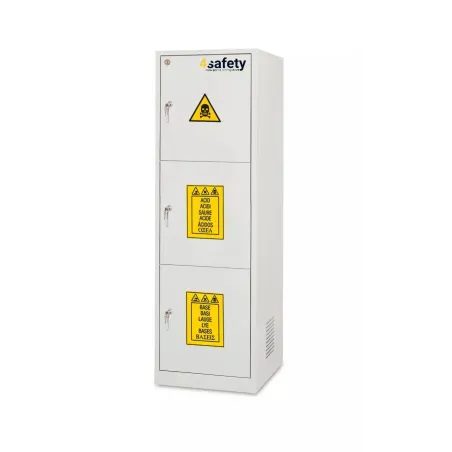
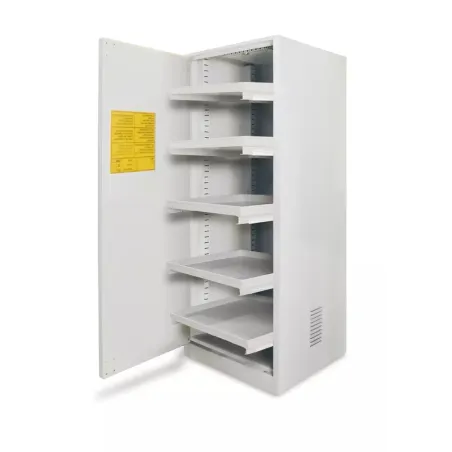
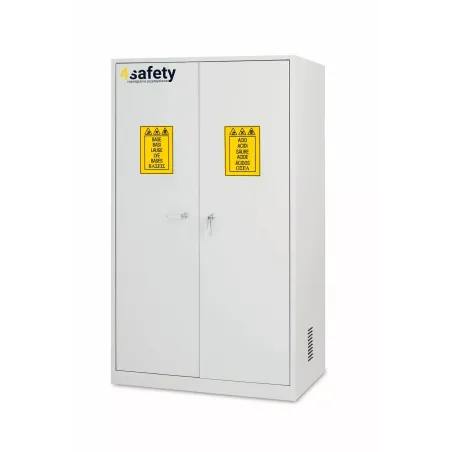
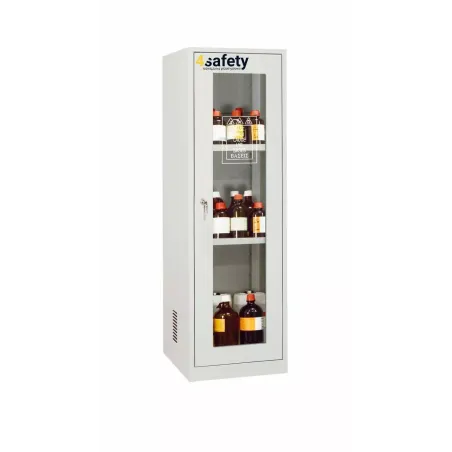
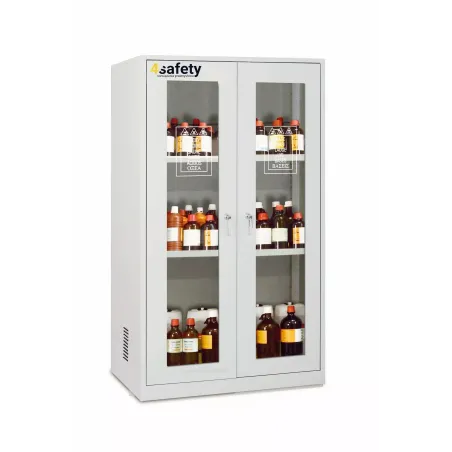
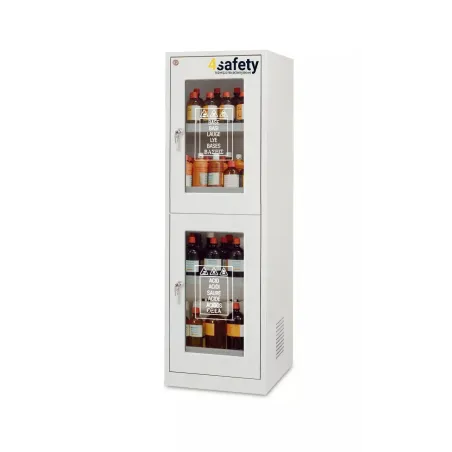
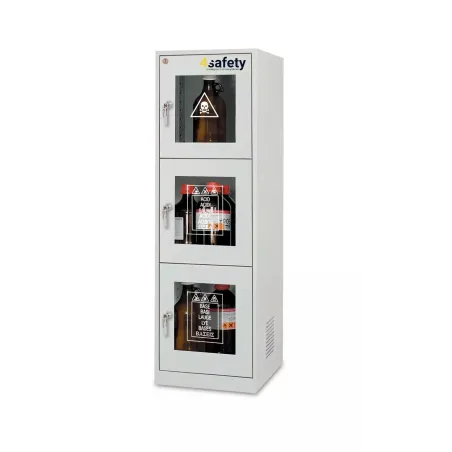
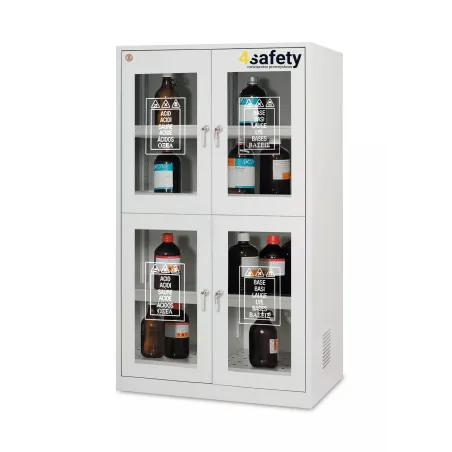
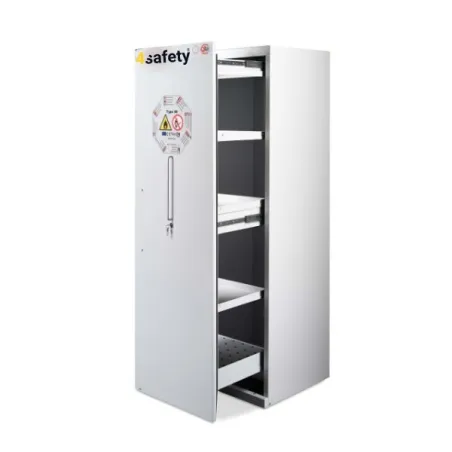
Do you store hazardous substances, flammable liquids in your facility? In this article, we will help you choose the best fire-resistant cabinet for your facility.
Categories
Containers for hazardous wasteContainers for oily wasteContainers for flammable substancesLaboratory containersImmersion containersPiston containersOther containersAccessories for containersContainers for removing liquidsContainers for acids and basesBiodegradable waste containersContainers for washing and cleaningContainers for sorbent/sandType I containersType II containers
Fireproof cabinetsSecurity cabinetsCabinets for batteries and accumulatorsCabinets for hazardous substancesCabinets for gas cylindersUnder-table cabinetsCabinets with pull-out shelvesCabinets for personal protective equipment (PPE)Cabinets for plant protection productsWorkshop cabinetsFans and filter fans for cabinets
Cabinets for hazardous substances
46 Products.
Show:
Sort by:
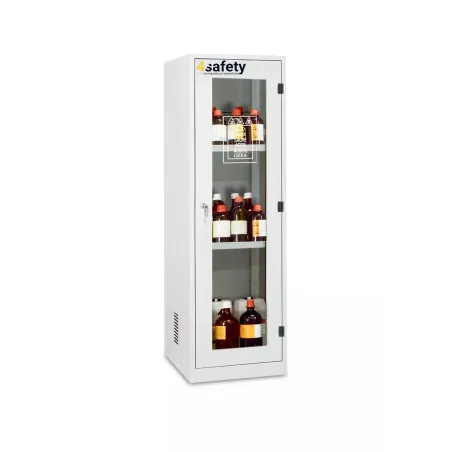
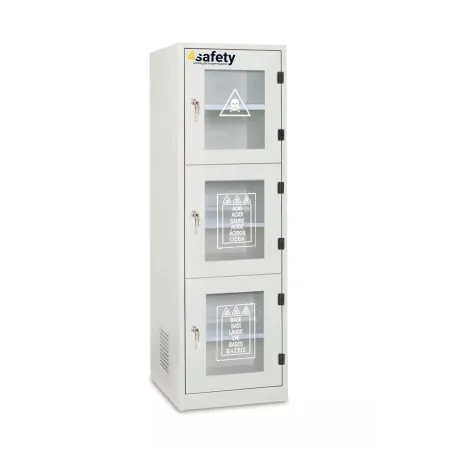
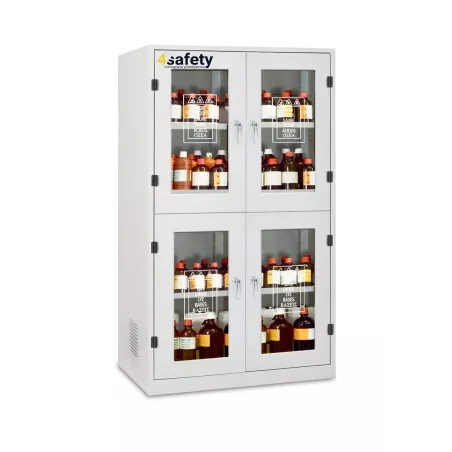
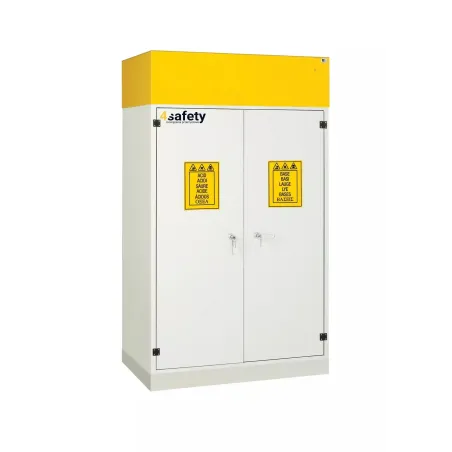
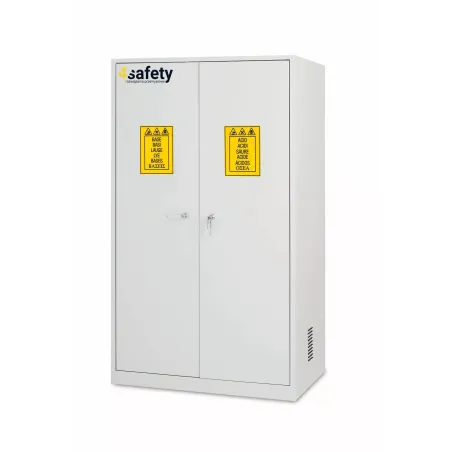
MULTIRISK safety cabinet for chemicals and corrosive substances, size XL 1200 x 600 x 1950 mm
zł12,698.07
Tax excluded
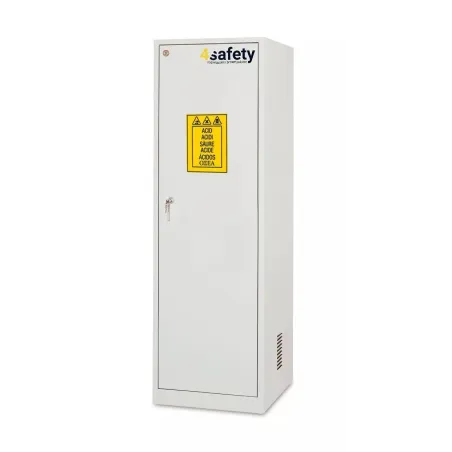
Safety cabinet for chemicals and corrosive substances, size M, 600 x 600 x 1950 mm
zł10,360.35
Tax excluded
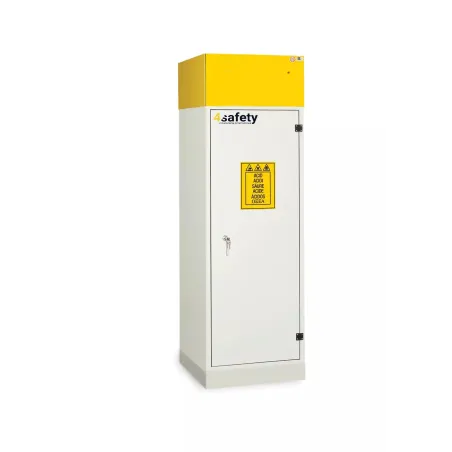
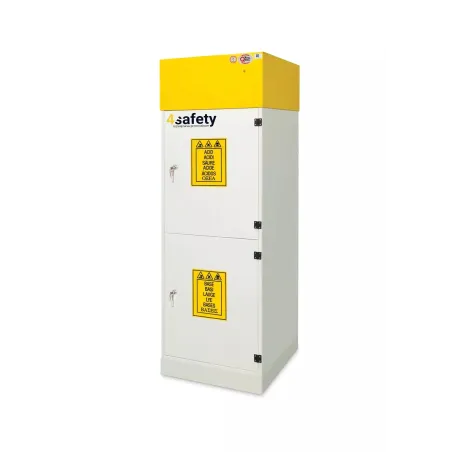
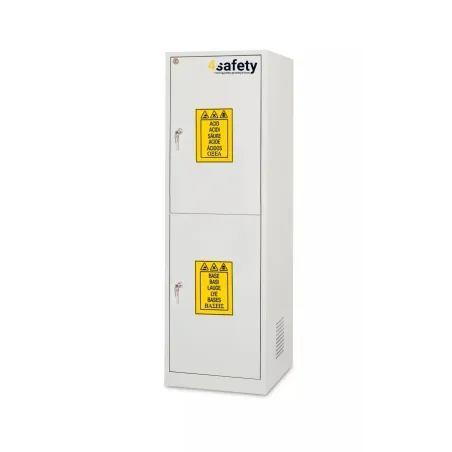
Safety cabinet for hazardous substances with partition wall size M 600 x 600 x 1900 mm
zł16,757.20
Tax excluded
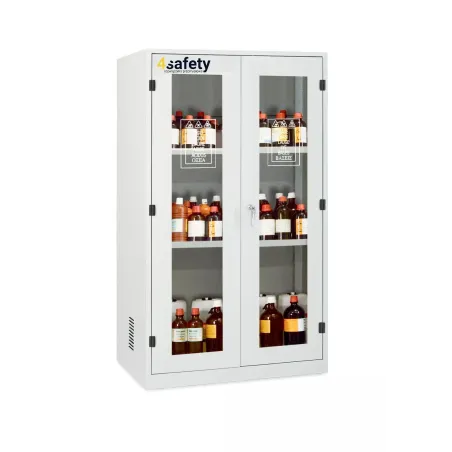
Safety cabinet for hazardous substances with partition wall size XL 1140 x 600 x 1900 mm
zł20,970.41
Tax excluded
CS BASIC PLUS safety cabinet for chemicals and corrosive substances size M 600 x 600 x 1950 mm
zł7,677.29
Tax excluded
CS BASIC PLUS safety cabinet for chemicals and corrosive substances size XL 1140 x 600 x 1950 mm
zł10,912.90
Tax excluded
Safety cabinet for chemicals and corrosive substances, size M, 600 x 600 x 1950 mm
zł10,657.88
Tax excluded
Safety cabinet for chemicals and corrosive substances size M 600 x 600 x 1950 mm
zł9,148.99
Tax excluded
Protective cabinet for chemicals and corrosive substances, size M, 600 x 600 x 1950 mm
zł11,624.84
Tax excluded
The storage and keeping of hazardous substances, such as chemicals or flammable substances, requires special precautions. Cabinets for hazardous substances are a key element in ensuring protection for employees and the environment.
Hazardous substance cabinets are designed for the storage and keeping of materials that may pose a threat to human health, the environment, or property. Substances such as chemicals, acids, bases, toxins, flammable, toxic, or reactive substances require appropriate storage to minimize the risk of accidents and potential failures.
Types of hazardous substances
Substances classified as hazardous include a wide range of materials, such as:
- Chemicals: toxic chemical substances, acids, bases, alkaline substances, varnishes, or plant protection products, solvents, and others that may be harmful to human health and the environment.
- Flammable substances: flammable materials such as paints, varnishes, fuels, or gases that may cause fire or explosion.
- Toxic substances: toxic gases and liquids that may lead to poisoning or health damage after exposure.
- Reactive substances: materials that may react with each other or with the surroundings, leading to the release of gases or heat, which may result in failure or fire.
- Materials such as lithium-ion batteries.
All gaseous, liquid, or solid substances must be stored in a hazardous substance cabinet if they are classified on their packaging according to the following hazards:
- Unstable explosive materials.
- Gases under pressure (compressed).
- Flammable gases (hazard category 1).
- Oxidizing gases (hazard category 1).
- Acute toxicity (oral route, after skin application, after inhalation exposure - hazard categories 1, 2, 3).
- Skin corrosion (hazard categories 1A, 1B, 1C).
- Acute toxicity (oral route, after skin application, after inhalation exposure - hazard category 4).
- Respiratory sensitization (hazard category 1), germ cell mutagenicity (hazard categories 1A, 1B, 2), carcinogenicity (hazard categories 1A, 1B, 2).
- Hazardous to the aquatic environment.
Different types of hazardous substance cabinets
Depending on the type of substances stored, there are several types of cabinets that provide appropriate protection:
- Chemical cabinets: equipped with shelves and compartments adapted for storing various types of chemicals, they protect against spills and reactions between substances. They can be divided into modules, allowing you to store different types of substances in one cabinet without the risk of reactions between them. They are made of durable and substance-resistant materials such as steel.
- Fire-resistant cabinets: intended for storing flammable substances, providing protection against fire and temperature. In the event of a fire, the cabinet doors close and seal to protect the substances stored inside.
- Safety cabinets: universal cabinets that provide general protection for stored substances, against access by third parties and possible chemical reactions.
- Lithium-ion battery cabinets: specialist cabinets used for storing batteries.
Hazardous substance cabinets effectively protect against:
- Fire: fire-resistant cabinets with delayed fire spread and special insulating materials reduce the risk of fire.
- Poisoning: specialized cabinet designs minimize the risk of leakage and the release of substances, which protects employees from poisoning.
- Chemical accidents: chemical cabinets prevent accidental reactions between substances that could lead to dangerous situations.
When choosing the right cabinet for chemical substances, pay attention to:
- Size: the cabinet should hold all materials without excessive crowding. Leave room for future growth in demand. In our offer, you will find cabinets in all sizes; choosing the right size will help you save space in the hall. We have cabinets from xs to xxl, single- and double-door, as well as small under-table cabinets.
- Doors and lock: solid doors with a secure lock ensure access control only for authorized persons.
- Shelves and interior: Choose the number of shelves and the division into modules. Multi-level shelves adapted to the type of stored materials will minimize the risk of substances mixing.
- Shelf load capacity - depending on the type of chemical cabinet, the shelves may have different load capacities.
- Trays and built-in spill sumps - in the event of a substance spill, the tray at the bottom of the cabinet ensures capture of the substance and additional protection.
- Grounding connection in the cabinet roof.
- Ventilation - every chemical cabinet must have an efficient ventilation system when the substances stored in it have the following properties: flammable, explosive, chemically aggressive, toxic, volatile.
- Fire resistance - A chemical cabinet may have different levels of fire resistance, for example up to 90, 60 or 30 minutes. This level tells us how long the hazardous substances stored in the cabinet are safe from exposure to flames.
Main benefits associated with using such safety cabinets
- Employee safety: chemical cabinets provide a physical barrier between employees and potentially dangerous substances. This minimizes the risk of exposure through skin contact, inhalation, or ingestion of substances, which can lead to serious health problems.
- Compliance with regulations and standards: storing hazardous substances in appropriate cabinets is usually required by safety regulations and standards. Therefore, using specialized cabinets is crucial for meeting legal and industry requirements.
- Hazard minimization: cabinets for hazardous substances effectively minimize the risk of leaks, the spread of toxic gases, or chemical failures. This helps avoid potential disasters and accidents.
- Environmental protection: proper storage of hazardous substances in specialized cabinets prevents them from entering the environment. This is crucial for protecting nature, groundwater, and air.
- Maintaining substance quality: some substances may degrade under the influence of light, temperature, or moisture. Cabinets with appropriate insulation and storage condition control help preserve the quality and effectiveness of these materials.
- Easier access to materials: high-quality cabinets for hazardous substances are designed to allow easy access to stored materials. This helps employees manage materials efficiently and safely.
- Theft prevention: hazardous substances, such as chemicals or medicines, may be attractive to potential thieves. Security cabinets and lockable cabinets protect against theft and unauthorized access.
- Space organization: cabinets for hazardous substances help maintain an orderly workspace. Thanks to designated shelves and compartments, materials are organized and easily accessible.
- Cost reduction: avoiding leaks, failures, or material damage through proper substance storage can contribute to a significant reduction in repair and maintenance costs.
- Increasing safety awareness: using cabinets for hazardous substances contributes to building a safety culture in the workplace, raising employee awareness of potential hazards and appropriate practices.
Chemical cabinets are an integral part of the safety strategy in manufacturing plants. Thanks to them, risk can be managed effectively, employees can be protected, and regulations and standards can be observed, which is of significant importance for the long-term success of the enterprise.
Cabinets for hazardous substances are an indispensable element of ensuring safety in the OHS industry and in industry. They effectively protect against fires, poisoning, and chemical failures. By choosing the right cabinet, you ensure protection for your employees, the environment, and property. Make sure that the cabinet is suited to the type of substances stored and meets safety requirements
Take advantage of our store's offer and choose the right cabinet for hazardous substances.
See how this product works in practice
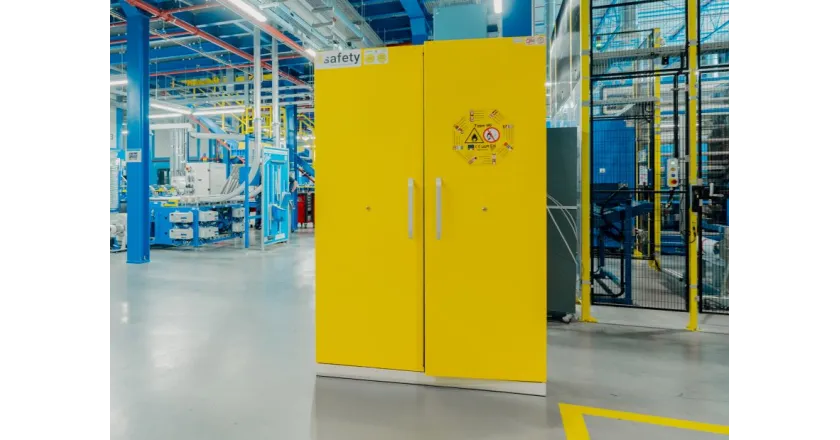
Storage of hazardous substances
Fireproof cabinet – what should you pay attention to when buying?
Read more
Articles that may interest you
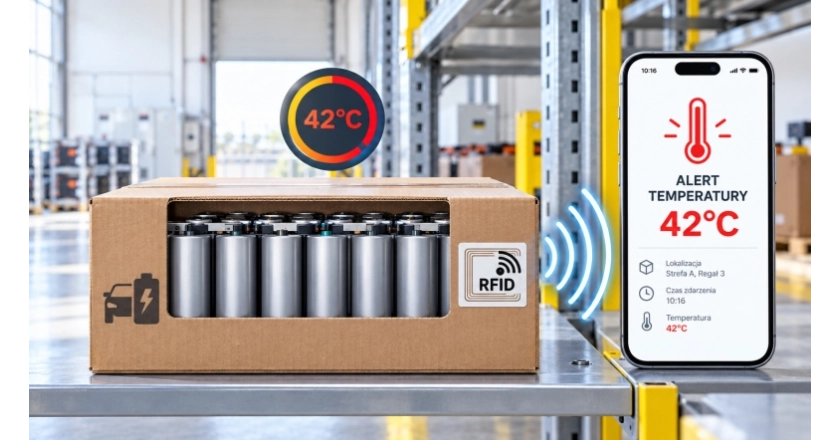
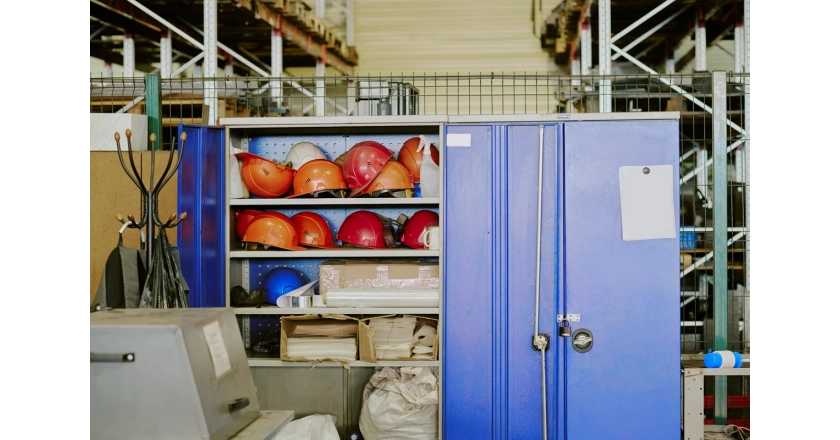
Storage of hazardous substances
Szafy ogniotrwałe – Normy, wymagania i zastosowania - Dokumenty Google
Read more
Odpowiadasz za zabezpieczenia i bezpieczeństwo pracowników w przedsiębiorstwie przemysłowym lub zakładzie produkcyjnym? Inwestycja w szafy ogniotrwałe stanowi zatem jeden z ważniejszych elementów na liście zabudżetowanego wyposażenia.