
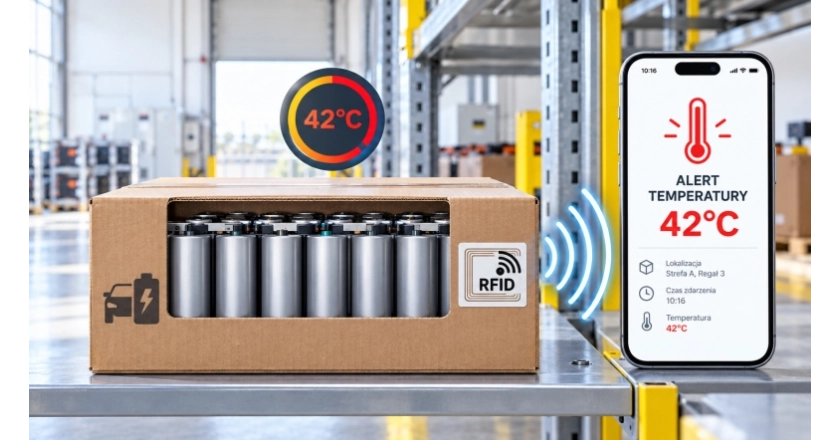
rfid
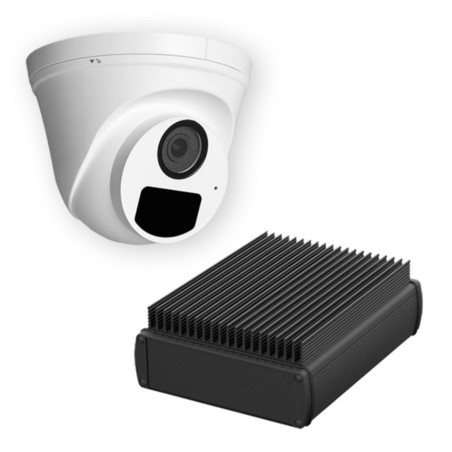
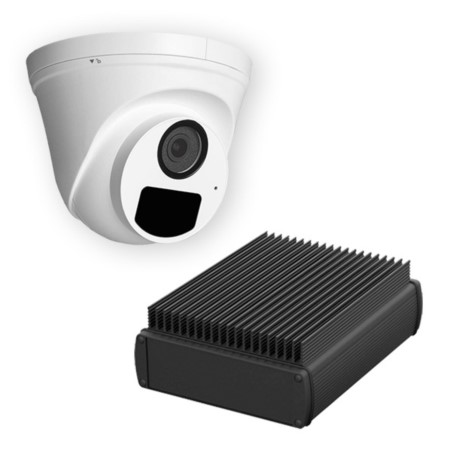
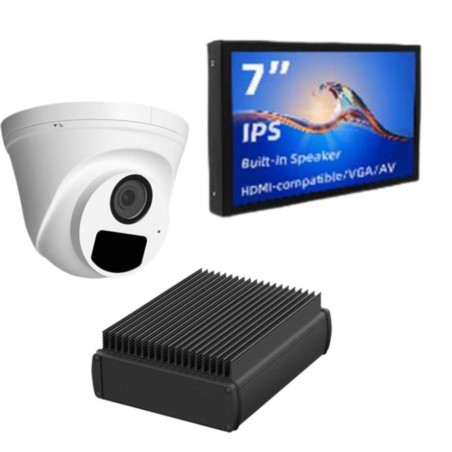
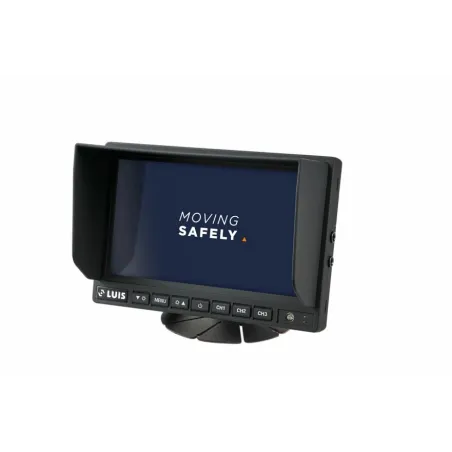
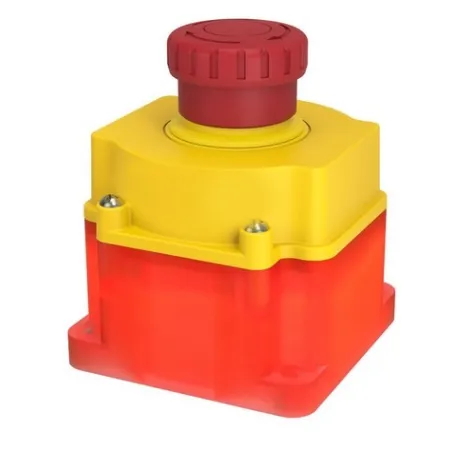
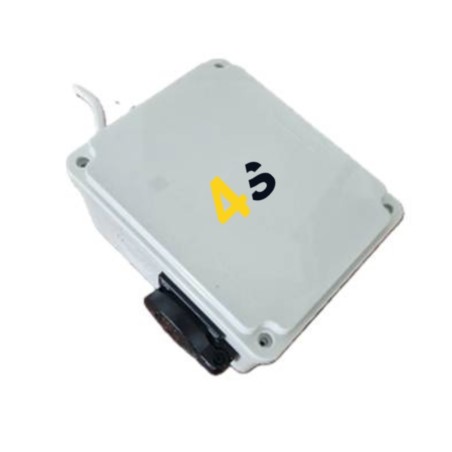
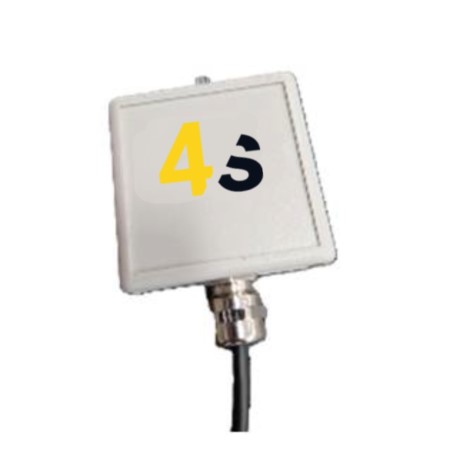
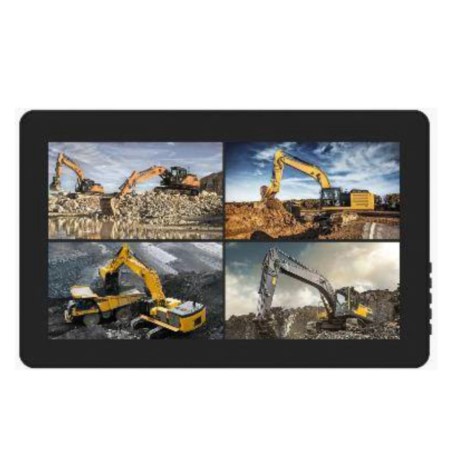
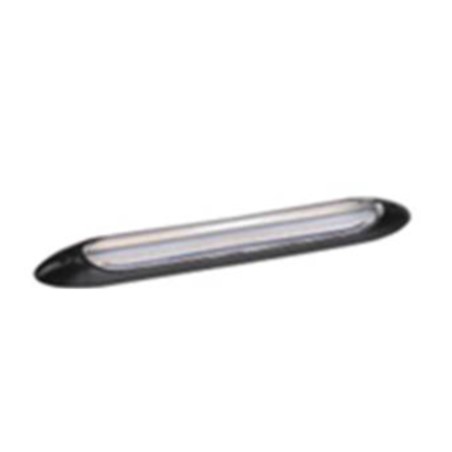
AI 4S-LITE anti-collision system pedestrian-stroller, central unit + camera
zł12,384.00
Tax excluded
Categories
Sort by:
Anti-collision systems are extremely important solutions that help minimize the risk of collisions and improve traffic flow in warehouses and production areas.
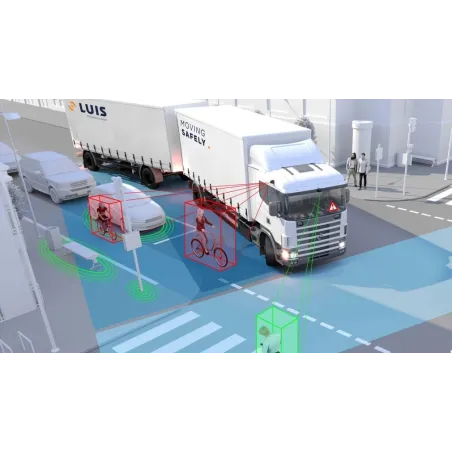
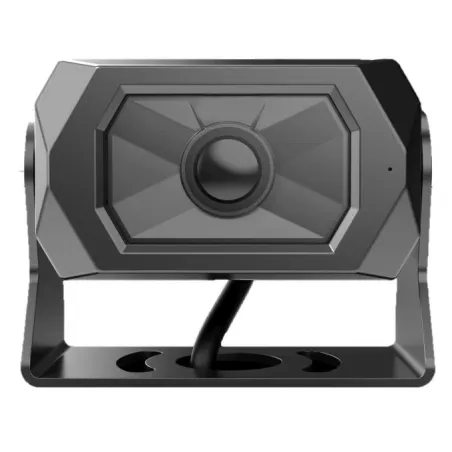
Automatic warning systems - used in industrial vehicles such as forklifts or cranes to warn drivers of potential collisions. These systems use sensors, cameras, or RFID technology to detect objects near the vehicle and emit audible or visual signals informing about the danger.
Traffic control systems - used in warehouses and production areas to coordinate the movement of various vehicles and employees. Thanks to these systems, it is possible to set priorities, manage routes, optimize speed, and avoid collisions. They may also be equipped with automatic braking functions when approaching other objects.
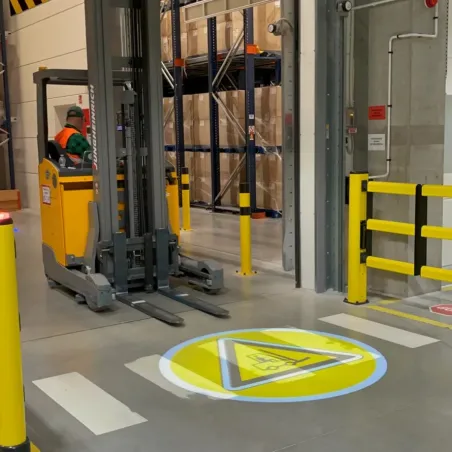
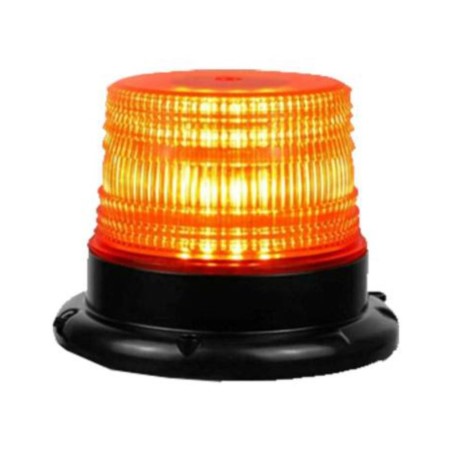
Anti-collision communication systems - enable autonomous data transmission between the forklift, the operator, pedestrians, and LED safety projectors. The system increases employee safety at intersections of traffic routes and in places with limited visibility
Monitoring systems - used to monitor and record vehicle movement and employee activities. These systems may be equipped with cameras, sensors, or GPS technology, enabling the tracking and analysis of behavior in order to identify potential hazards and improve safety.
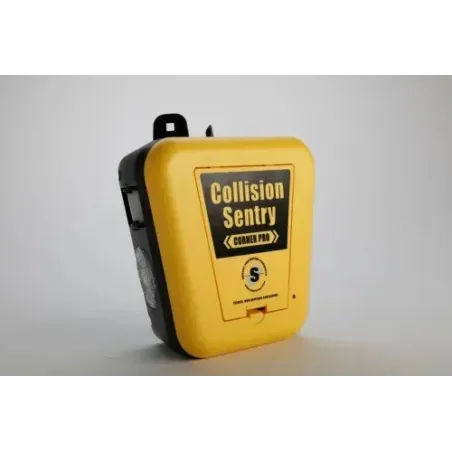
Anti-collision systems for forklifts - used to reduce accidents at intersections with limited drivers' field of vision. After detecting movement on both sides of the turn, the system warns of an approaching vehicle using light and visual signals.
Thanks to automatic warning systems and traffic control, the risk of collisions is significantly reduced. Drivers receive immediate warning signals when approaching other vehicles or objects, allowing them to react quickly and avoid collisions.
By monitoring traffic and detecting potential hazards, these systems provide alerts, for example, about an approaching vehicle.
Thanks to automatic traffic control, these systems can optimize routes, set priorities, and minimize situations in which vehicles block each other's way. This translates into smoother logistics flows, shorter transport times, and increased overall efficiency of processes in the facility.
Receiving immediate warnings about approaching hazards gives drivers a greater sense of safety and confidence. In addition, these systems can be equipped with an automatic braking function in critical situations, which reduces the risk of stress and tension among drivers. As a result, employees feel more comfortable and focused on the tasks they perform.
Better traffic optimization affects traffic flow and instances of congestion that can lead to wasting valuable space. In turn, monitoring and controlling vehicle traffic make it possible to accurately track their location and manage storage space more efficiently. This leads to increased warehouse capacity and more effective use of space.
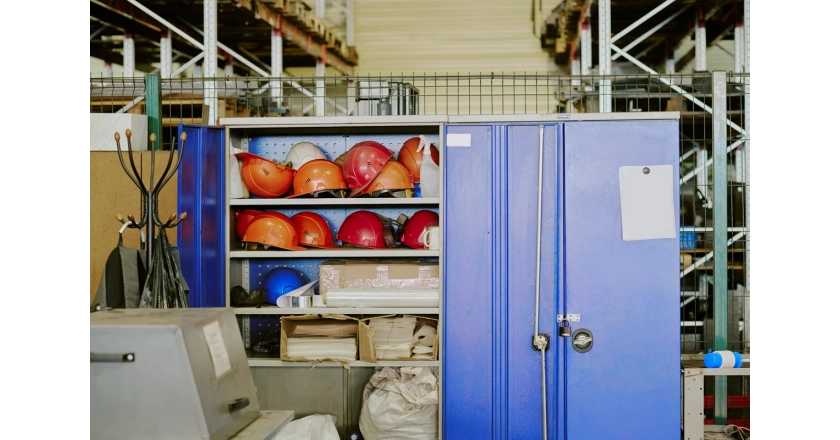
Odpowiadasz za zabezpieczenia i bezpieczeństwo pracowników w przedsiębiorstwie przemysłowym lub zakładzie produkcyjnym? Inwestycja w szafy ogniotrwałe stanowi zatem jeden z ważniejszych elementów na liście zabudżetowanego wyposażenia.
 Cookies