

 Niemiecka produkcja












rfid
Categories
Containers for hazardous wasteContainers for oily wasteContainers for flammable substancesLaboratory containersImmersion containersPiston containersOther containersAccessories for containersContainers for removing liquidsContainers for acids and basesBiodegradable waste containersContainers for washing and cleaningContainers for sorbent/sandType I containersType II containers
Fireproof cabinetsSecurity cabinetsCabinets for batteries and accumulatorsCabinets for hazardous substancesCabinets for gas cylindersUnder-table cabinetsCabinets with pull-out shelvesCabinets for personal protective equipment (PPE)Cabinets for plant protection productsWorkshop cabinetsFans and filter fans for cabinets
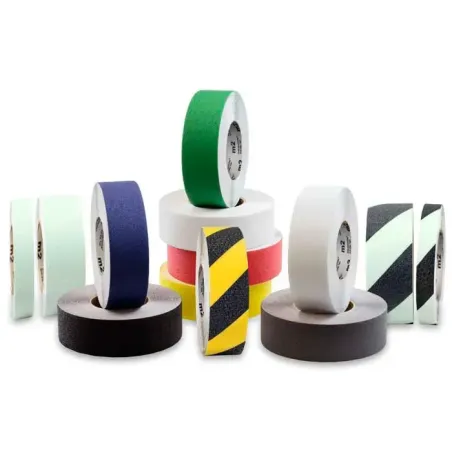
Tapes for marking communication routes
23 Products.
Show:
Sort by:
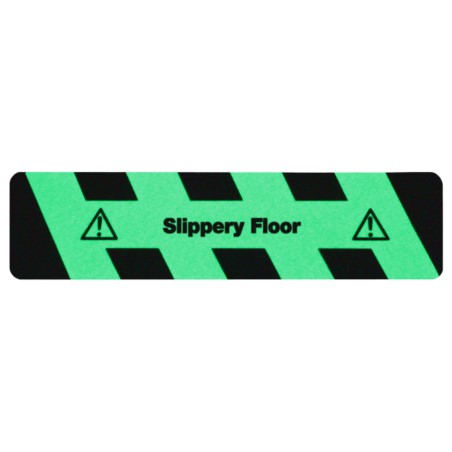
Glow-in-the-dark anti-slip tape R13
zł455.34
zł479.30
Tax excluded
Najniższa cena w ciągu 30 dni przed aktualną promocją: zł479.30 -5%
Anti-slip tape in warning color R13, roll 18.3 m
zł47.22
zł49.70
Tax excluded
Najniższa cena w ciągu 30 dni przed aktualną promocją: zł49.70 -5%
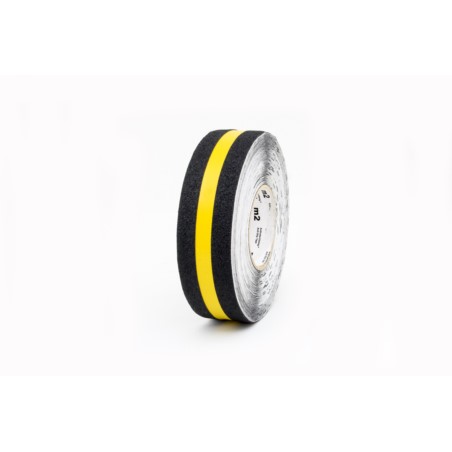
Two-color warning anti-slip tape R13, 18.3 m
zł75.62
zł79.60
Tax excluded
Najniższa cena w ciągu 30 dni przed aktualną promocją: zł79.60 -5%
Non-slip multifunctional tape – black striped, roll 18.3 m
zł239.21
zł251.80
Tax excluded
Najniższa cena w ciągu 30 dni przed aktualną promocją: zł251.80 -5%
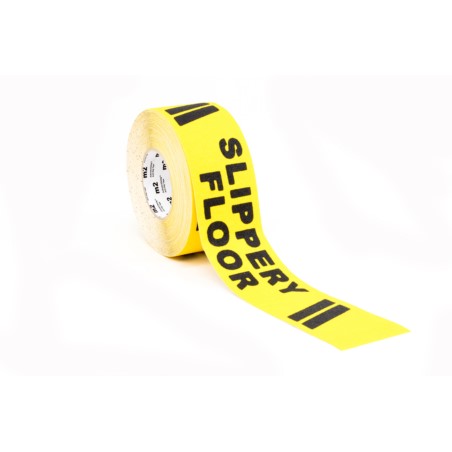
Tape for marking traffic routes, yellow warning, R10, 18.3 m
zł73.25
zł77.10
Tax excluded
Najniższa cena w ciągu 30 dni przed aktualną promocją: zł77.10 -5%
Easy Clean anti-slip tape, R10
zł88.16
zł92.80
Tax excluded
Najniższa cena w ciągu 30 dni przed aktualną promocją: zł92.80 -5%
Public 46 anti-slip tape yellow, R13, sheet set 10 pcs.
zł50.35
zł53.00
Tax excluded
Najniższa cena w ciągu 30 dni przed aktualną promocją: zł53.00 -5%
Photoluminescent anti-slip tape with print, sheet 150 × 610 mm, set of 10 pcs.
zł82.84
zł87.20
Tax excluded
Najniższa cena w ciągu 30 dni przed aktualną promocją: zł87.20 -5%
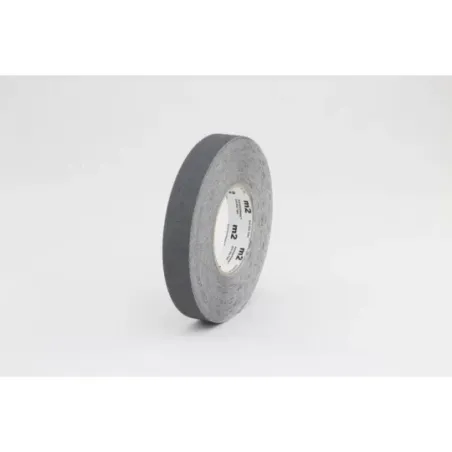
Recycled anti-slip tape for general use, gray, R12, 18.3 m roll
zł67.45
zł71.00
Tax excluded
Najniższa cena w ciągu 30 dni przed aktualną promocją: zł71.00 -5%
Moldable anti-slip tape, coarse-grained, R13, sheet set of 10 pcs.
zł123.12
zł129.60
Tax excluded
Najniższa cena w ciągu 30 dni przed aktualną promocją: zł129.60 -5%
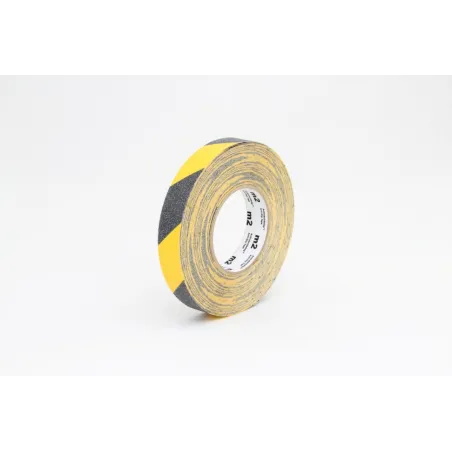
Warning anti-slip tape yellow-black, R13, roll 18.3 m
zł283.39
zł298.30
Tax excluded
Najniższa cena w ciągu 30 dni przed aktualną promocją: zł298.30 -5%
Public 46 anti-slip tape yellow, R13, roll 18.3 m
zł69.35
zł73.00
Tax excluded
Najniższa cena w ciągu 30 dni przed aktualną promocją: zł73.00 -5%
Fluorescent anti-slip tape - sheet set of 10 pcs.
zł45.70
zł48.10
Tax excluded
Najniższa cena w ciągu 30 dni przed aktualną promocją: zł48.10 -5%
Photoluminescent anti-slip tape – roll
zł75.91
zł79.90
Tax excluded
Najniższa cena w ciągu 30 dni przed aktualną promocją: zł79.90 -5%
Anti-slip tape for general use R13, roll 18.3 m
zł62.99
zł66.30
Tax excluded
Najniższa cena w ciągu 30 dni przed aktualną promocją: zł66.30 -5%
General-purpose anti-slip tape - sheet, R13, 10 pcs.
zł45.70
zł48.10
Tax excluded
Najniższa cena w ciągu 30 dni przed aktualną promocją: zł48.10 -5%
Moldable anti-slip tape R13, sheet set of 10 pcs.
zł77.24
zł81.30
Tax excluded
Najniższa cena w ciągu 30 dni przed aktualną promocją: zł81.30 -5%
Safety marking is the proper marking of traffic routes, hazardous zones, emergency exits, and a set of signs and symbols intended to ensure proper traffic organization. Industrial plants, halls, and warehouses where people and machines move should have internal routes marked and individual zones separated. We offer various possibilities for marking traffic routes: tapes and stickers, painting. Depending on the nature of the work carried out in your facility and the traffic intensity, we will help match the ideal solution to your needs.
Horizontal marking in the production hall will improve employee movement, enhance the comfort and efficiency of machine operators. Horizontal marking in the warehouse, with heavy forklift traffic, will minimize the risk of collisions, accidents, and reduce the costs associated with them.
Safety is a key issue in warehouses and production halls. To minimize the risk of accidents and maintain appropriate standards, it is necessary to use proper marking. Safety marking provides employees and visitors with clear information about potential hazards as well as compliance with rules and procedures.
Employers have a moral and legal obligation to provide a safe working environment for their employees. Safety marking plays a key role in achieving this goal. Companies should comply with the applicable safety marking regulations and appropriately adapt them to their individual needs.
Safety marking also serves as an information measure for employees and visitors. By placing appropriate signs and labels, attention can be drawn to potential hazards and warnings can be given about them. This increases awareness and caution among people staying in the warehouse or production hall.
Safety marking principles
Choosing the appropriate marking method and type of signs
The first step in safety marking is choosing the appropriate signs. The signs should be legible, easy to understand, and visible from a distance. They should contain clear symbols or graphics and short, concise information. It is also important that the signs are durable and resistant to damage and weather conditions.
Sign color scheme
The color scheme of signs plays an important role in safety marking. The contrast between the color of the sign and the background should also be appropriately selected to ensure readability.
Placement of signs
Signs should be placed in strategic locations, such as entrances, exits, evacuation routes, and areas with potential hazards. It is important that the signs are visible from different perspectives and are not obscured by other objects.
Floor marking
Safety marking is not limited only to signs on walls. Floor marking is equally important, especially in areas where there is a risk of slipping, falling, or collision. Floor marking may include lines indicating evacuation routes, safety zones, and places where particular caution should be exercised.
Marking communication routes
Properly marking communication routes for pedestrian traffic significantly affects the level of safety and comfort of staff work. Thanks to clear markings, pedestrians know where they can move so as not to interfere with forklift traffic.
Marking hazardous zones
It is important to properly mark hazardous zones in the hall, e.g. crane operating zones. Thanks to this, even new employees or visitors will know that this is a load-handling work zone and that particular caution should be exercised
Benefits of safety marking in the warehouse
- Improved visibility: warning signs, lines, industrial mirrors, instructions, and floor markings improve the visibility of important information for employees. Thanks to this, they can easily recognize potential hazards and avoid accidents.
- Increased awareness: thanks to appropriately placed signs and markings, employees are informed about specific safety rules and can make decisions more consciously.
- Accident prevention: industrial markings reduce the risk of collisions and accidents. For example, warning signs inform about hazardous areas, substances, or activities, which allows employees to remain cautious and avoid potential hazards.
- Space organization: marking pedestrian routes, storage zones, or evacuation routes helps organize space in the warehouse. This facilitates traffic flow, minimizes the risk of collisions, and supports overall work efficiency.
- Compliance with regulations: safety marking is often required by law. Proper marking helps meet these requirements and protects against possible legal sanctions.
How can you mark a warehouse or production hall? Which methods should you choose? Discover the possibilities:
Signs and colorful information boards - ideal for hanging on walls, objects, or boards
Painting with paints specially intended for this purpose - works great for marking zones and communication routes.
Tapes - are used to mark the lines of traffic routes, separate workstations, and designate forklift truck routes.
Warning lights and lasers - increase workers' attention and alertness.
LED safety projectors - indispensable in environments with heavy traffic, dust, or humidity.
Employee training
Safety signage is effective only when employees are properly trained and aware of its importance. Employers should provide regular training on safety signage, explaining the meaning of individual signs and the rules of conduct in various situations. Employees should also be encouraged to report any problems related to signage, such as damaged or invisible signs.
Remember that safety is a priority, so make sure there is proper safety signage in your workplace.
See how you can effectively mark your warehouse or production hall, and review our suggestions.
Contact us, and we will help you determine which forms of signage will be best for your business.
Articles that may interest you
Storage of hazardous substances
Szafy ogniotrwałe – Normy, wymagania i zastosowania - Dokumenty Google
Read more
Odpowiadasz za zabezpieczenia i bezpieczeństwo pracowników w przedsiębiorstwie przemysłowym lub zakładzie produkcyjnym? Inwestycja w szafy ogniotrwałe stanowi zatem jeden z ważniejszych elementów na liście zabudżetowanego wyposażenia.