
rfid
Categories
Containers for hazardous wasteContainers for oily wasteContainers for flammable substancesLaboratory containersImmersion containersPiston containersOther containersAccessories for containersContainers for removing liquidsContainers for acids and basesBiodegradable waste containersContainers for washing and cleaningContainers for sorbent/sandType I containersType II containers
Fireproof cabinetsSecurity cabinetsCabinets for batteries and accumulatorsCabinets for hazardous substancesCabinets for gas cylindersUnder-table cabinetsCabinets with pull-out shelvesCabinets for personal protective equipment (PPE)Cabinets for plant protection productsWorkshop cabinetsFans and filter fans for cabinets
Cabinets for batteries and rechargeable batteries
27 Products.
Show:
Sort by:
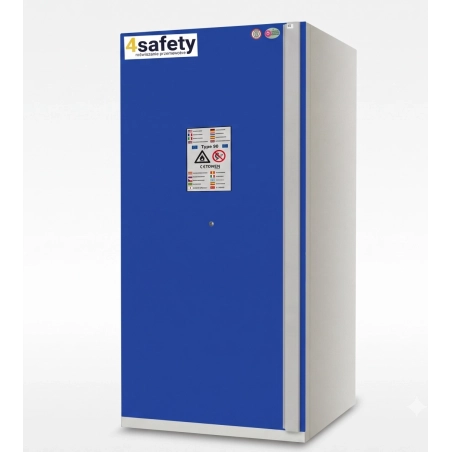
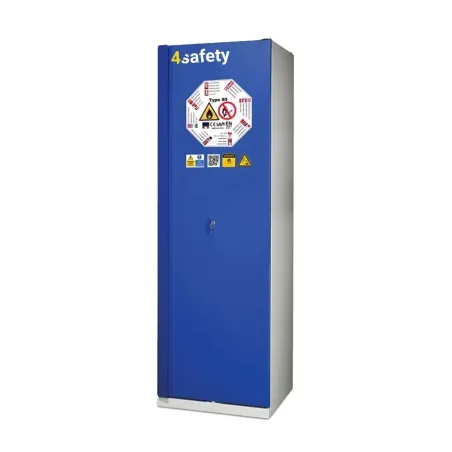
Fireproof cabinet for lithium-ion batteries, size L 90 min, 895 x 600 x 1950 mm
zł17,985.00
Tax excluded
Fire-resistant cabinet for lithium-ion batteries, size XL 90 min, 1200 x 600 x 2050 mm
zł16,789.08
Tax excluded
Fire-resistant cabinet for lithium-ion batteries, size XL 90 min 1200 x 600 x 1950 mm
zł16,257.78
Tax excluded
Fire-resistant cabinet for lithium-ion batteries, size M 90 min, 895 x 600 x 2050 mm
zł13,149.68
Tax excluded
Fire-resistant cabinet for lithium-ion batteries, size S 90 min, 565 x 600 x 2050 mm
zł10,923.53
Tax excluded
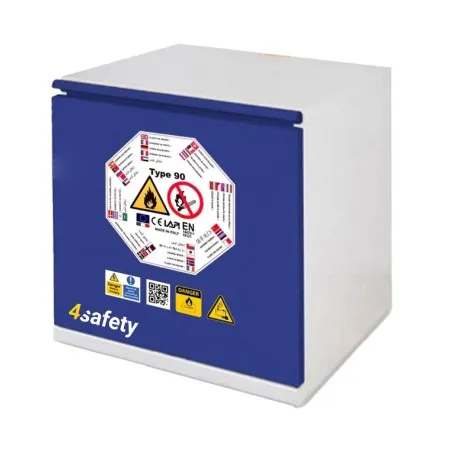
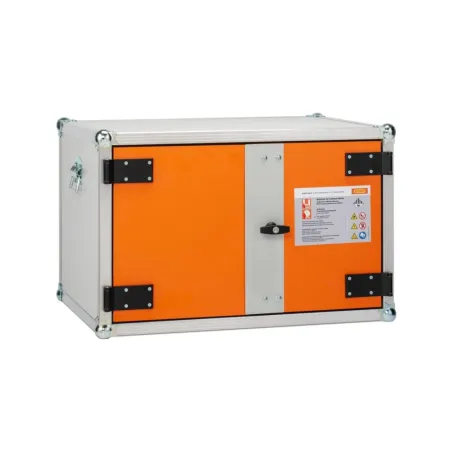
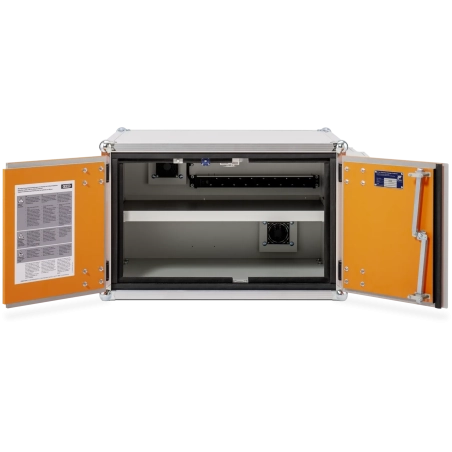
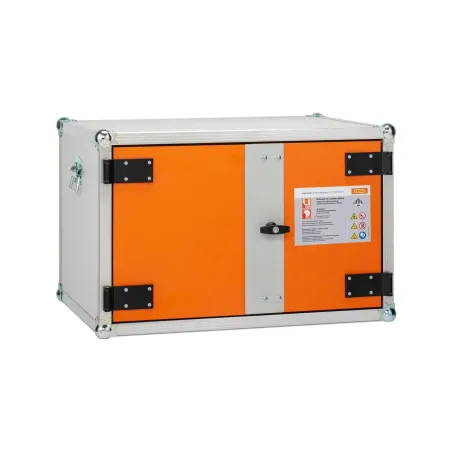
Battery charging cabinet 8/5 Basic, fire-resistant 60 min, lockEX 2.0
zł11,872.30
Tax excluded
Charging cabinet for batteries 8/5 Premium Plus, fire-resistant 60 min, lockEX 2.0
zł19,066.20
Tax excluded
Battery charging cabinet 8/5 Premium, fire-resistant 60 min, lockEX 2.0
zł13,889.00
Tax excluded
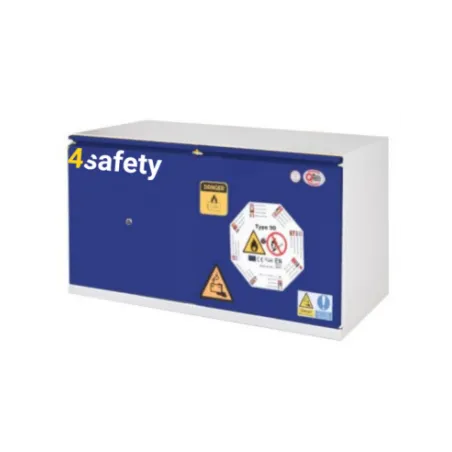
Battery charging cabinet 8/10 Basic, fire-resistant 60 min, lockEX 2.0
zł15,875.60
Tax excluded
Battery charging cabinet 8/10 Premium, fire-resistant 60 min, lockEX 2.0
zł19,427.40
Tax excluded
Battery charging cabinet 8/10 Premium Plus fire-resistant 60 min, lockEX 2.0
zł23,220.00
Tax excluded
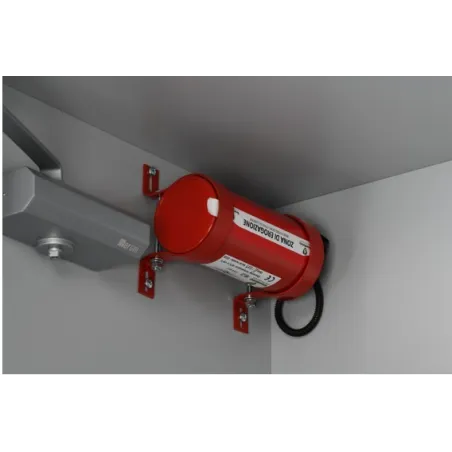
Automatic fire extinguisher for lithium-ion battery cabinets, with temperature sensor, certified
zł9,791.86
Tax excluded
Improper handling of lithium batteries creates enormous risks such as fires, chemical reactions, and even explosions. This poses a danger to employees, significant financial losses and production losses, as well as the risk of contamination of the surrounding environment.
The storage of lithium-ion batteries is a challenge for many companies. The potential risk associated with lithium batteries increases with the amount of energy stored in the batteries and with their quantity.
Follow these basic rules to minimize the risk of battery damage and fires.
- follow the manufacturer's guidelines (product data sheet),
- protect the battery terminals from short circuits,
- protect batteries from mechanical impacts,
- do not expose batteries to direct and prolonged high temperatures or heat sources (including sunlight),
- provide space, separate batteries from other flammable materials (min. 2.5 m),
- make sure that damaged batteries are immediately removed from storage and production areas (store them at a safe distance or in a fire-resistant area until disposal),
- store batteries in designated fire-resistant cabinets or containers.
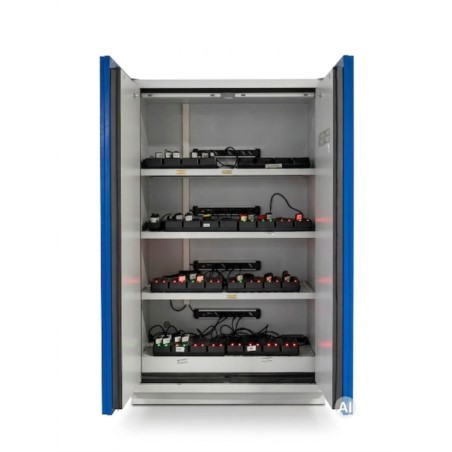
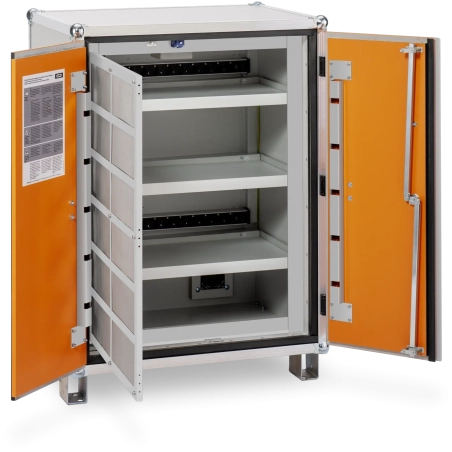
Lithium-ion battery cabinets are special units designed for storing and securing lithium-ion batteries. These cabinets are an important element of infrastructure for various industries and sectors where lithium-ion batteries are used.
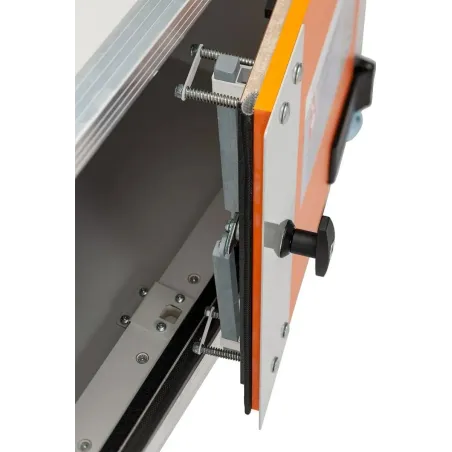
Battery cabinets are equipped with advanced energy management and safety systems that ensure optimal conditions for the batteries. They have a fire resistance rating of 90 minutes, which means 90 minutes to evacuate people and avoid fire escalation through ignition or explosion of lithium batteries in the closed cabinet during that time. When the temperature exceeds 47°C, the doors are equipped with an automatic hydraulic closing system that suppresses the fire together with shut-off valves (70°C) for the air inlet and outlet pipes.
Benefits of using battery cabinets:
- reduction of the risk of fire and explosion,
- reduces the risk of fire spreading to or from the cabinet,
- fire resistance,
- increased employee safety,
- space optimization - storing batteries in one place,
- restriction of access by unauthorized persons,
- compliance with regulations,
- protection against moisture,
- maintaining a constant temperature inside the cabinet,
- ensuring safe charging.
Additional equipment for battery cabinets:
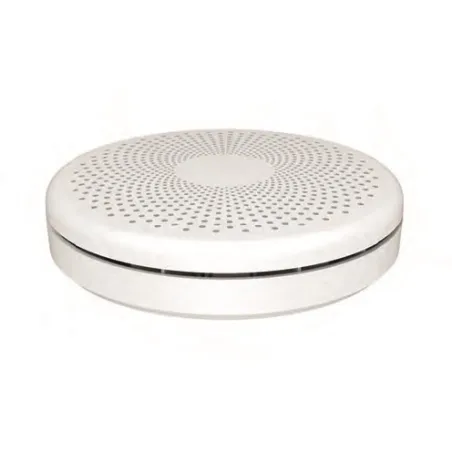
- smoke detectors,
- fire extinguisher with temperature sensor,
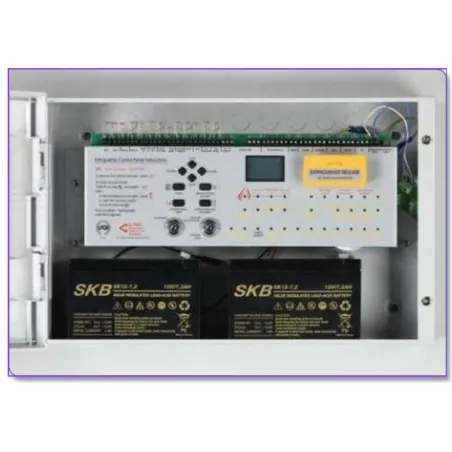
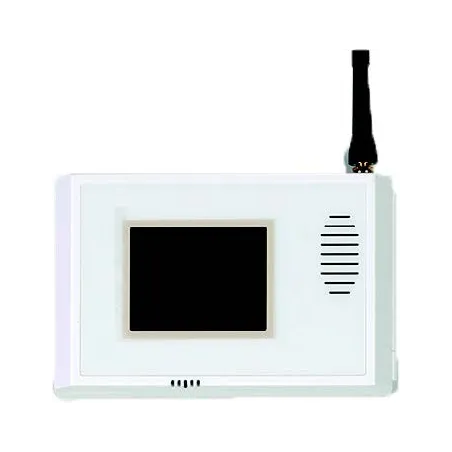
- control panel,
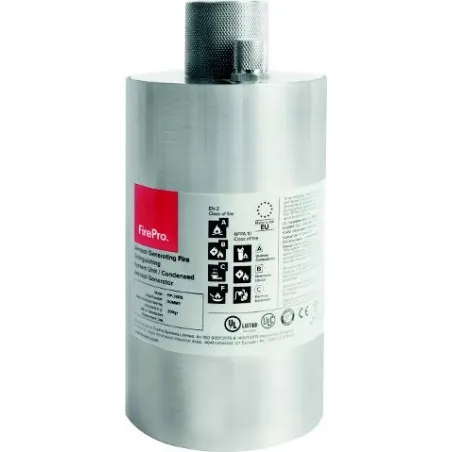
- fire extinguisher (FBN),
- audible alarm,
- thermal sensor,
In what situations are battery cabinets needed?
Lithium-ion battery cabinets are essential in many industries and situations in which this type of battery is used, such as:
Aviation industry: for storing batteries used in aircraft and drones.
Energy sector: for storing and managing batteries used in wind and solar power plants.
Medicine: for storing batteries in medical devices and diagnostic equipment.
Automotive: for charging the batteries of electric vehicles.
Consumer electronics: for storing batteries in laptops, smartphones, etc.
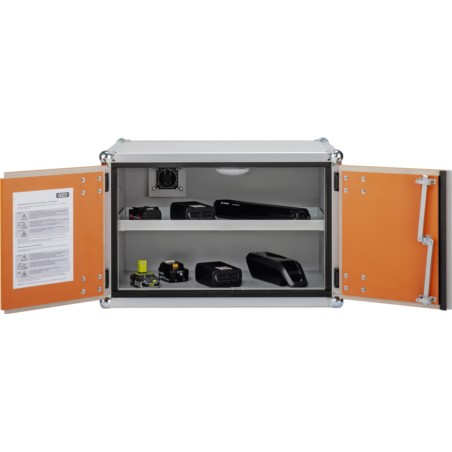
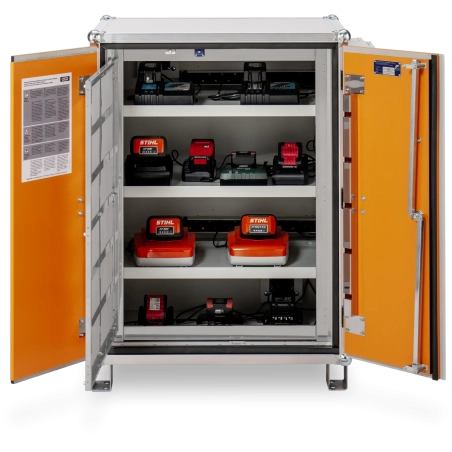
A battery cabinet functions as a safe storage rack for batteries. Thanks to the appropriate size and number of shelves, you can conveniently store batteries in one place. Thanks to additional security features, you can be sure that you will limit access by third parties.
Check out our range of fire-resistant cabinets for lithium-ion batteries. Contact us if you need professional advice.
See how this product works in practice
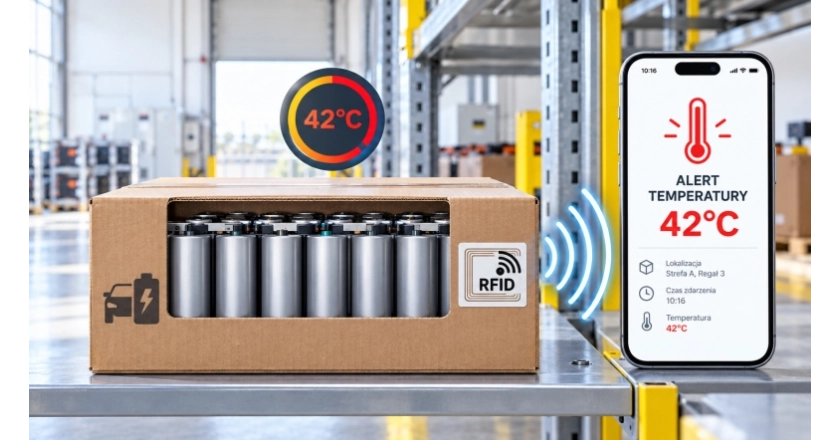

Lithium-ion batteries
Lithium-ion battery explosion — how to avoid it?
Read more
Ensure safety for yourself and your coworkers. Extend battery life, maintain their optimal performance, and avoid potential hazards.
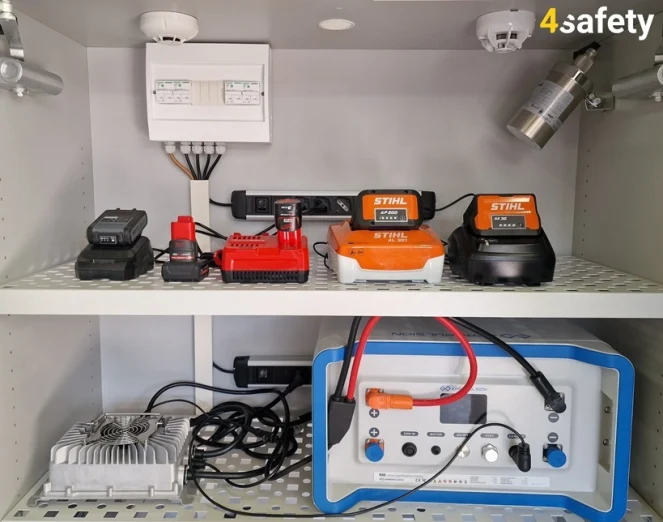
Lithium-ion batteries
How to safely store lithium-ion batteries?
Read more
Read and learn how to store, charge, and use lithium-ion batteries to feel safe in their presence.
Articles that may interest you
Storage of hazardous substances
Szafy ogniotrwałe – Normy, wymagania i zastosowania - Dokumenty Google
Read more
Odpowiadasz za zabezpieczenia i bezpieczeństwo pracowników w przedsiębiorstwie przemysłowym lub zakładzie produkcyjnym? Inwestycja w szafy ogniotrwałe stanowi zatem jeden z ważniejszych elementów na liście zabudżetowanego wyposażenia.