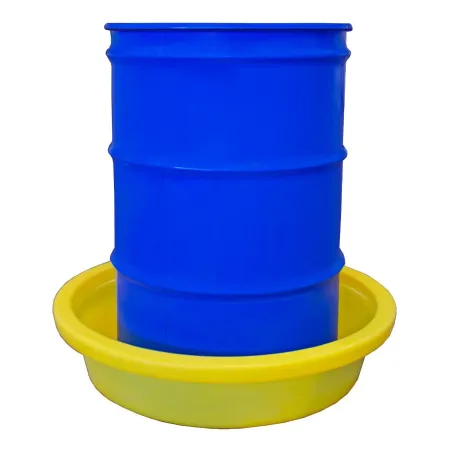
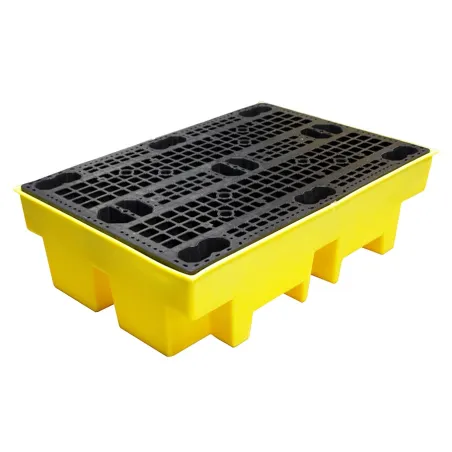
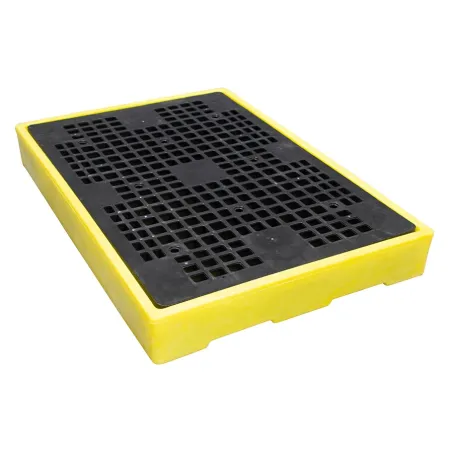
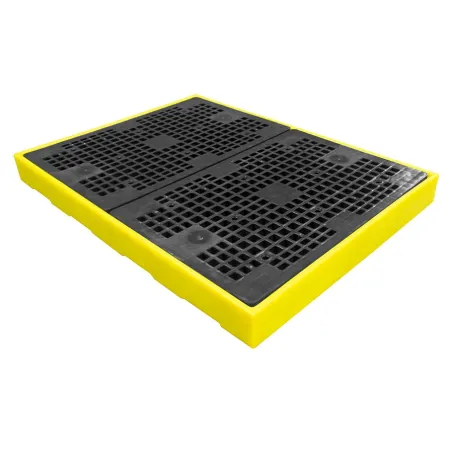
Find out in which cases you need a spill containment tray and when it is legally required. Learn a simple way to calculate what tray capacity you need.
Categories
Containers for hazardous wasteContainers for oily wasteContainers for flammable substancesLaboratory containersImmersion containersPiston containersOther containersAccessories for containersContainers for removing liquidsContainers for acids and basesBiodegradable waste containersContainers for washing and cleaningContainers for sorbent/sandType I containersType II containers
Fireproof cabinetsSecurity cabinetsCabinets for batteries and accumulatorsCabinets for hazardous substancesCabinets for gas cylindersUnder-table cabinetsCabinets with pull-out shelvesCabinets for personal protective equipment (PPE)Cabinets for plant protection productsWorkshop cabinetsFans and filter fans for cabinets
Drip trays
181 Products.
Show:
Sort by:
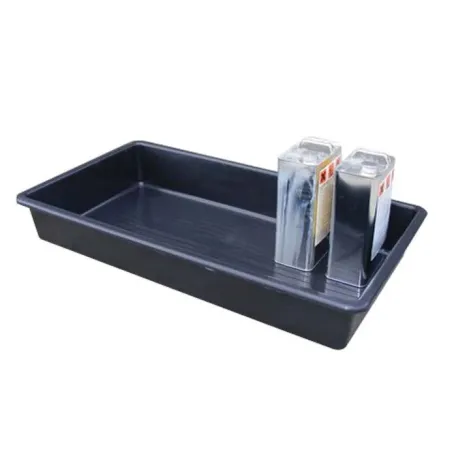
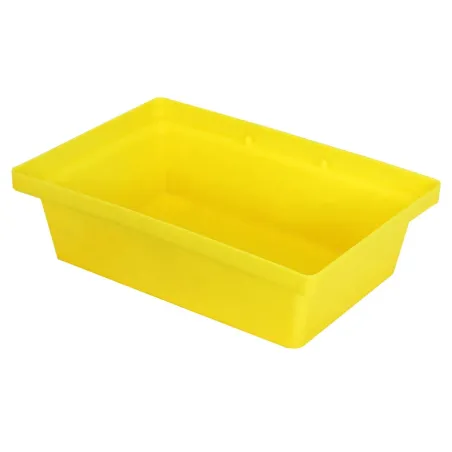
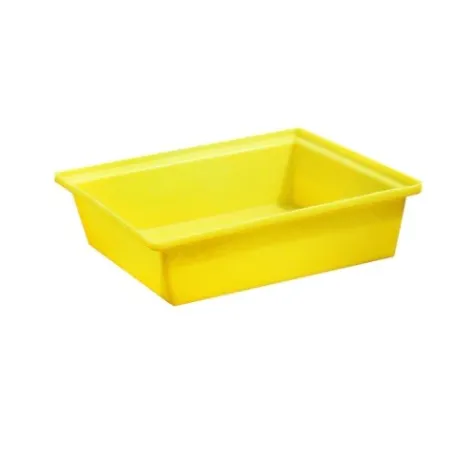
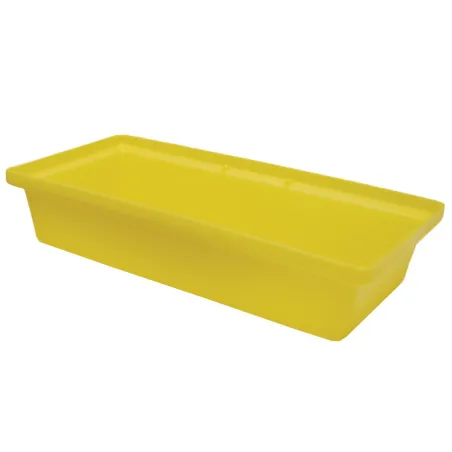
Spill collection tray without grid for small containers 22 l, 595 x 395 x 175 mm
zł211.49
Tax excluded
Spill containment tray without grating for small containers 45 l, 630 x 590 x 175 mm
zł220.30
Tax excluded
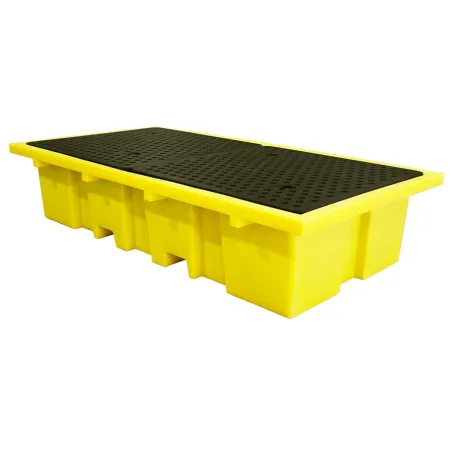
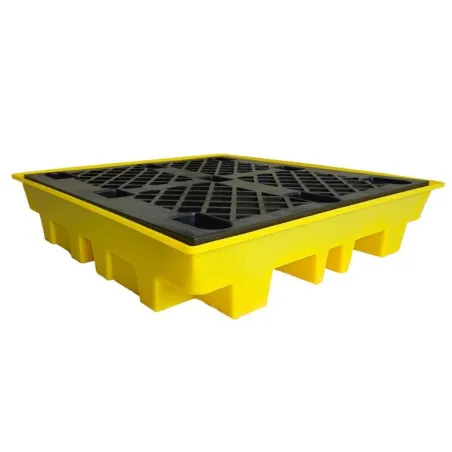
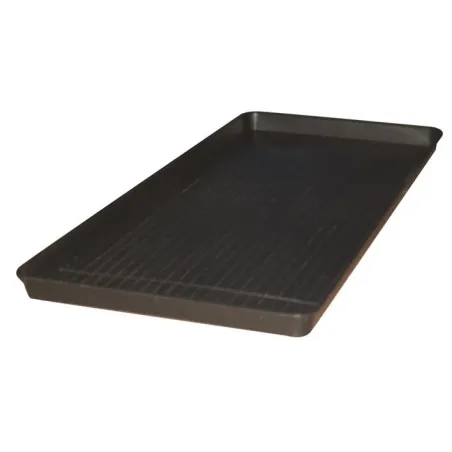
Low-profile spill containment tray for 4 barrels with grating, 300 l, 1660 x 1260 x 150 mm
zł1,406.39
Tax excluded
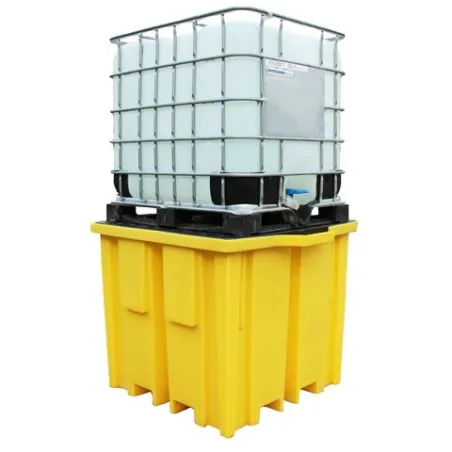
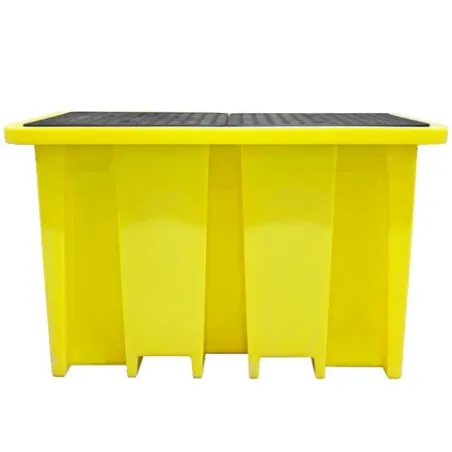
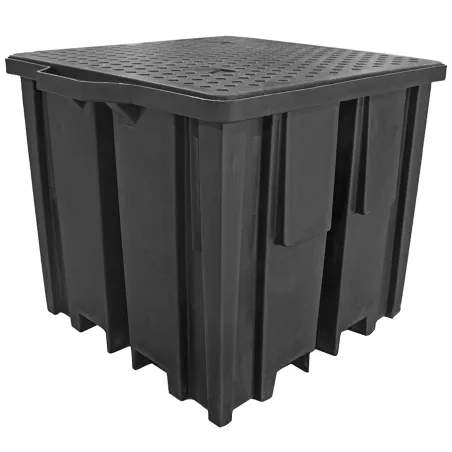
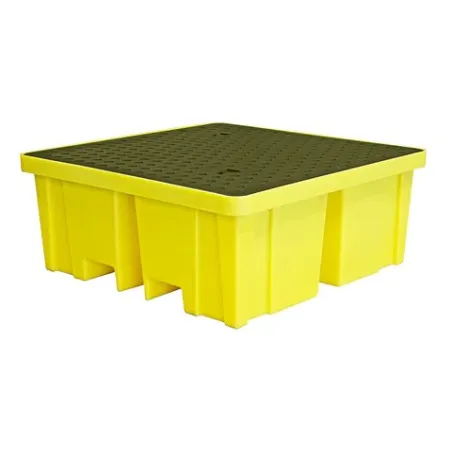
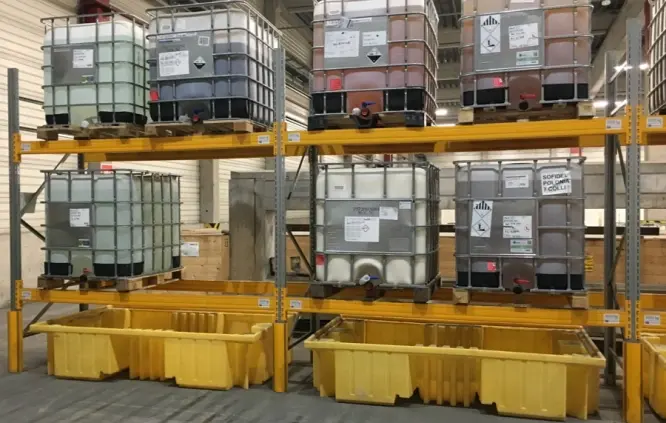
Spill containment sump with grating for 1 IBC, high-profile 1330 x 1230 x 1085 mm
zł3,422.58
Tax excluded
Spill containment tray with grating for 1 IBC, high-profile 1330 x 1230 x 1085 mm
zł3,305.38
Tax excluded
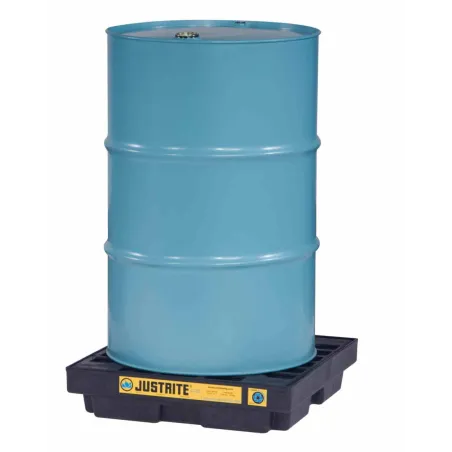
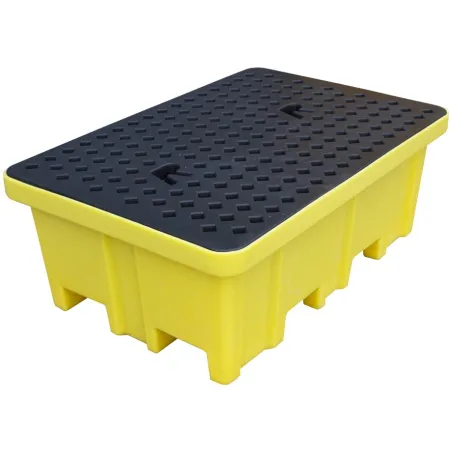
Spill containment pallet with grating for 2 drums, increased load capacity 1220 x 820 x 450 mm
zł1,063.61
Tax excluded
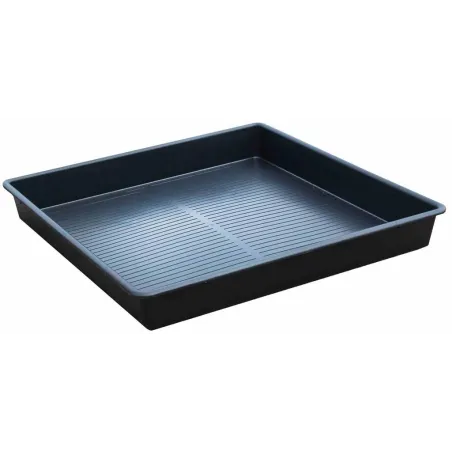
Spill containment sump with grating for 4 drums, low profile 1280 x 1285 x 275 mm
zł1,013.38
Tax excluded
Spill containment sump with grating for 4 barrels, low profile 1280 x 1285 x 275 mm
zł1,013.38
Tax excluded
In industry, where various types of liquid substances are stored and processed, there is a risk of uncontrolled leaks that may threaten the environment, workers' health, and property safety. To prevent potential disasters, spill containment trays, also called drip trays, play a key role in effective risk management.
What are spill containment trays?
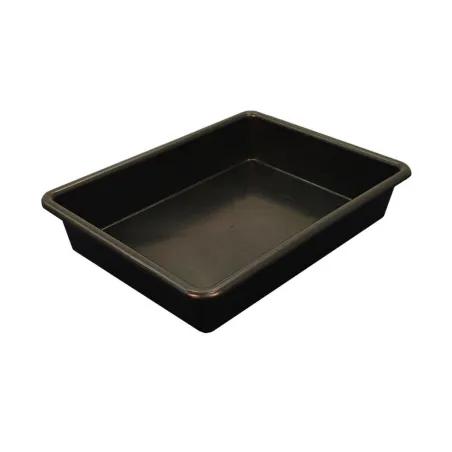
Drip trays are specially designed containers whose main task is to capture and retain leaking liquid substances. They are made of durable plastics or steel to ensure not only effectiveness, but also durability and resistance to various chemicals and oils.
Types of industrial trays
Plastic/polyethylene trays - made of high-quality plastics, they are lightweight, easy to maintain, and corrosion-resistant.
Steel trays - usually made of stainless steel, welded to provide durability and strength in more demanding conditions.
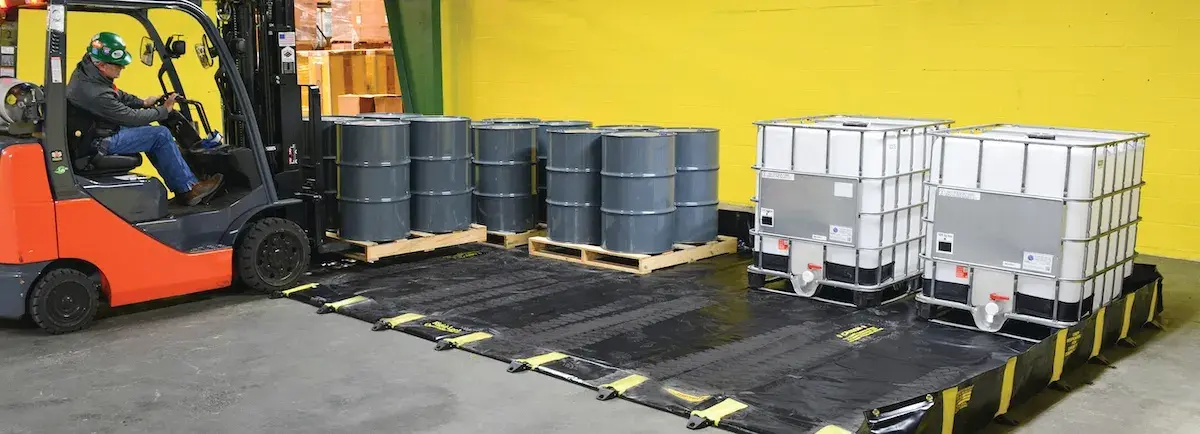
Flexible trays - made of PVC, intended for storing drums and IBC containers. They unfold in a few minutes, which enables quick use in emergency situations.
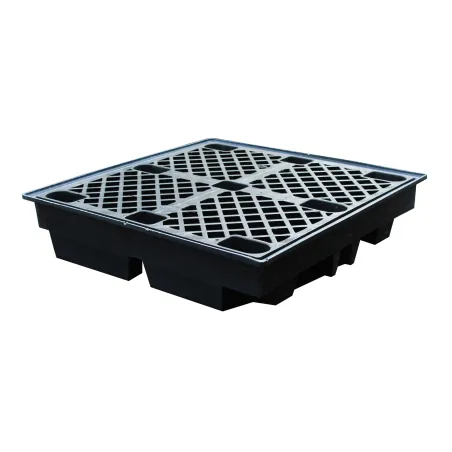
Trays with grating - this type of tray is additionally equipped with a galvanized grating platform.
Low-profile trays - these are trays characterized by a relatively flat and low profile.
Drip pallets - effective at capturing small leaks and drips, ideal for smaller containers and drums.
How to choose a spill containment tray:
- Determine the type of substance: first, you must accurately identify and understand the chemical and physical properties of the substance you want to store or handle in the spill containment tray. This information is most often found in the safety data sheet of the substance.
- Choose the right material: based on the properties of the substance, choose the material from which the spill containment tray is made. Make sure that the material is resistant to the specific substance to avoid corrosion or leaks.
- Capacity and dimensions: choose a tray with adequate capacity to hold the entire substance you want to store or handle. Additionally, match the tray dimensions to the quantity and size of the containers in which the substances are stored.
- Compliance with regulations: make sure that the selected spill containment tray complies with the relevant safety regulations and standards, such as OSHA (Occupational Safety and Health Administration) or EPA (Environmental Protection Agency) regulations.
- Additional features and accessories: consider whether you need additional features, such as tub inserts that make cleaning easier, grating, etc.
- Leak protection: it is important that the spill containment tray is able to effectively retain any accidental leaks or spills of substances that may occur during handling or storage.
Applications of drip trays
Storage of chemical substances: drip pallets are used to store various chemical substances, such as acids, alkalis, solvents, oils, fuels, paints, varnish, industrial chemicals, and other hazardous substances. They serve as protection against possible leaks or spills of these substances, which could contaminate the soil or the environment.
Handling and mixing chemicals: Containment trays are used in the processes of mixing, treating, and processing various chemicals to minimize the risk of hazardous substances spreading and to protect personnel and the surroundings from possible leaks or chemical reactions.
Storage and dispensing of liquids: drip pallets are used to store containers with liquids, such as oils, greases, coolants, etc., to contain any possible leaks or spills during dispensing or storage.
Handling hazardous substances: in some industrial plants where hazardous substances are handled, containment trays are used as additional protection in case of an accidental leak or spill of substances.
Protection of floors and infrastructure: containment trays also serve as protection for floors and infrastructure against damage caused by leaks or spills of substances.
Advantages of using drip trays:
- effective protection against leaks and spills of liquid substances,
- minimization of risks to the natural environment and workers' health,
- compliance with regulations and standards governing industrial safety,
- protection of property against damage caused by leaks,
Containment trays and pallets are an indispensable element of effective risk management in industry. They effectively protect against hazardous leaks, minimizing risks to human health, the environment, and property. Therefore, it is worth ensuring appropriate safeguards already at the stage of designing a warehouse or production building.
If you need professional containment trays, we encourage you to ознакомиться with our offer. We offer various types of trays and drip pallets that meet the highest safety and quality standards. Protect your facility and the environment - order the appropriate containment tray.
Ensure the safety of your facility - check out our offer and choose the ideal spill containment pallet for your company!
See how this product works in practice
Spill cleanup
A catch basin is a good practice or a legal requirement?
Read more
Storage of hazardous substances
Choosing a spill containment tray
Read more
Lack of awareness of the scale of hazards is one of the main causes of dangerous situations in industry. Many accidents could be avoided by having knowledge about the proper protection of stored and transferred substances.
Articles that may interest you
Storage of hazardous substances
Szafy ogniotrwałe – Normy, wymagania i zastosowania - Dokumenty Google
Read more
Odpowiadasz za zabezpieczenia i bezpieczeństwo pracowników w przedsiębiorstwie przemysłowym lub zakładzie produkcyjnym? Inwestycja w szafy ogniotrwałe stanowi zatem jeden z ważniejszych elementów na liście zabudżetowanego wyposażenia.