


Are you wondering what to do when a hazardous substance leaks at your facility? This article is a practical step-by-step guide, from response to documentation, that will help you organize procedures and increase safety.
Categories
Containers for hazardous wasteContainers for oily wasteContainers for flammable substancesLaboratory containersImmersion containersPiston containersOther containersAccessories for containersContainers for removing liquidsContainers for acids and basesBiodegradable waste containersContainers for washing and cleaningContainers for sorbent/sandType I containersType II containers
Fireproof cabinetsSecurity cabinetsCabinets for batteries and accumulatorsCabinets for hazardous substancesCabinets for gas cylindersUnder-table cabinetsCabinets with pull-out shelvesCabinets for personal protective equipment (PPE)Cabinets for plant protection productsWorkshop cabinetsFans and filter fans for cabinets
Sorbents absorbents
94 Products.
Show:
Sort by:
Sorbent – Effective spill cleanup
Sorbents are intended for neutralizing various types of leaks, oils, chemicals, and petroleum-derived products. They are adapted for a wide range of applications outside and inside buildings.
Find out what sorbents are, what applications they have in various industries, how they affect environmental protection, and what benefits they bring to production plants. Learn how, thanks to the right sorbents, you can remove a spill.
What are sorbents?
Sorbents are substances or products that have the ability to absorb and retain other substances, even several times beyond their original volume. Thanks to their special structure, sorbents can effectively absorb liquids, oils, acids, alkalis, crude oil, and other chemical substances. Their unique properties make them extremely useful in many fields of industry as well as in environmental protection.
Do you want to be sure that the sorbent you choose will work for your company or farm? The 4Safety team will be happy to answer your questions and help you complete an equipment set. Sorbent is one of the products that holds no secrets for us. It does not have to hold any for you either. Contact us now and learn more.
Applications of sorbents in industry, spill cleanup
Sorbents have a wide range of applications in various industries. In the petrochemical industry, they are used to absorb leaks and spilled chemical substances, thus preventing contamination of soil and water.
In the food industry, sorbents can be used to absorb moisture and extend the shelf life of food.
In the pharmaceutical industry, sorbents can be used to separate and purify active substances.
Sorbent is indispensable in every branch of industry and production where work with chemical substances, oils, etc. takes place and sorbents are required. Therefore, take advantage of the products available at 4Safety.
Types of sorbents
Sorbents can be divided into several types, depending on their properties and applications. Here are some of the most popular types of sorbents:
Universal sorbents
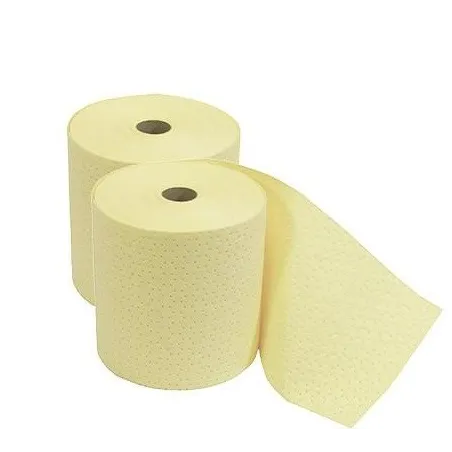
Universal sorbents are a type of sorbents designed to absorb a variety of substances, such as oils, chemicals, spilled liquids, water, acids, solvents, and other contaminants. These are unique materials that have the ability to absorb both oil-based and water-based substances. Universal sorbents are usually made of hydrophobic materials, such as polypropylene or polyurethane, which ensure effective absorption of both petroleum-based substances and other chemical substances.
Applications of universal sorbents
Universal sorbents are widely used in various industrial sectors wherever there is a need to combat diverse contaminants.
Chemical industry – In industrial plants where various chemicals are used, universal sorbents are applied to absorb spilled chemical substances. They help minimize the risk of hazardous substances spreading and provide effective leak control.
Petrochemical industry – In the petrochemical sector, universal sorbents are used to absorb oil spills, fuel spills, and other petroleum-based substances. They effectively absorb these substances, minimizing the risk of environmental contamination.
Food industry – Universal sorbents are also used in the food industry. They can be used to absorb spills of food substances such as vegetable oils, juices, or milk. They help keep floors clean and minimize the risk of slipping.
Transport and storage Universal sorbents are also used in the transport and storage of various substances. They can be placed in containers, bags, or on the floor to absorb leaks and minimize the risk of contaminants spreading.
Benefits of using universal sorbents
The use of universal sorbents brings many benefits for both the environment and production facilities. Here are some of the most important advantages:
- Versatility – universal sorbents are a versatile tool that can be used to absorb a wide variety of substances, both oil-based and water-based. This makes them a practical and effective solution in various situations.
- Absorption efficiency – universal sorbents are made of materials with high sorption capacity, which means they effectively absorb contaminants. As a result, the risk of further spreading of substances and environmental contamination is minimized.
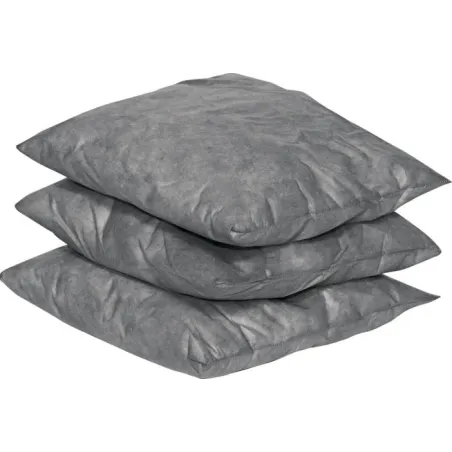
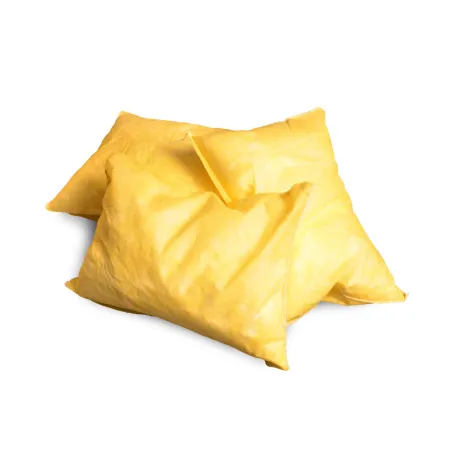
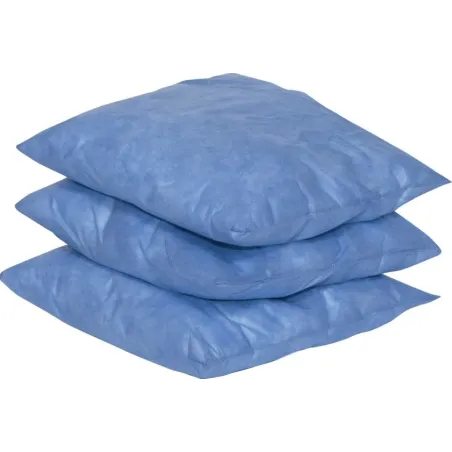
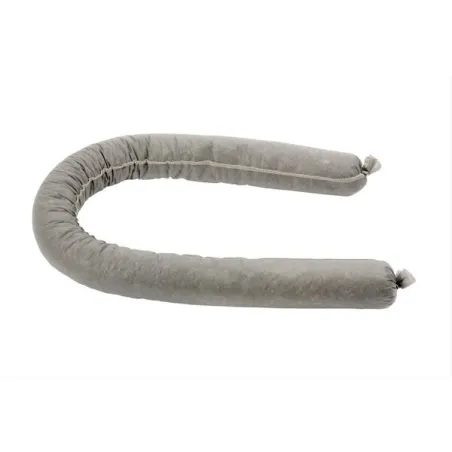
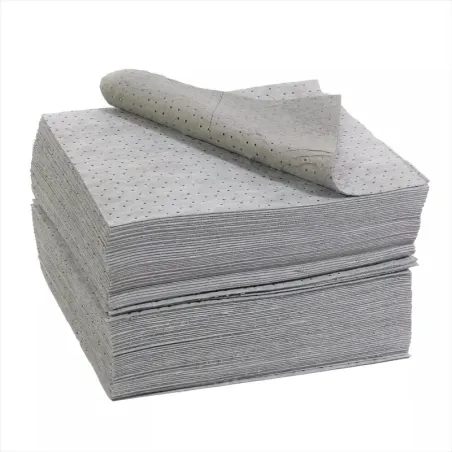
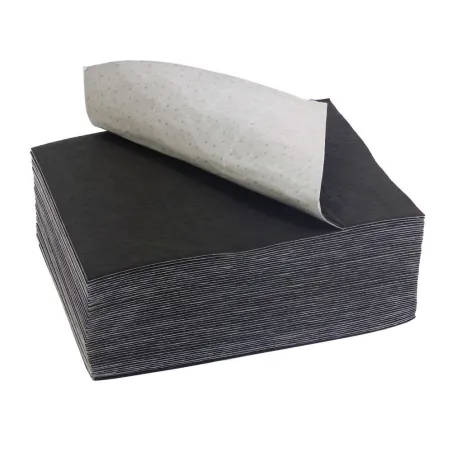
- Universal sorbents are easy to use and may be available in various forms, such as mats, sleeves, pillows, or granules. This makes them practical and convenient for everyday use.
What is a loose sorbent?
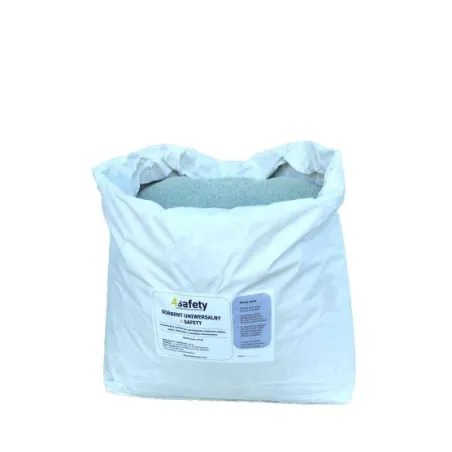
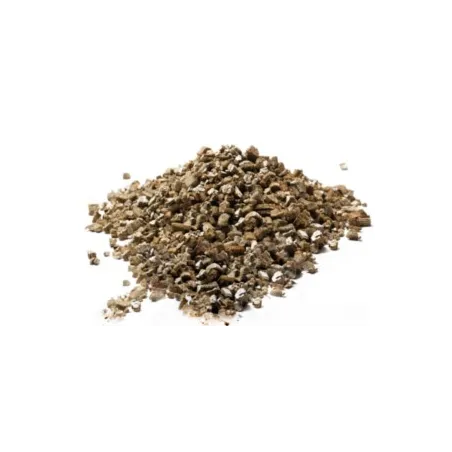
Loose sorbent is a type of sorbent that comes in the form of loose powder or granules. It is a highly porous material that has the ability to absorb and retain various substances, such as oils, liquids, chemicals, and other contaminants. Loose sorbent is often made from natural materials such as sand, clay, peat, vermiculite, or cellulose, which makes it environmentally safe.
Application of loose sorbents
Loose sorbents are widely used in various industrial sectors. Here are some examples of their use:
- Oil industry – loose sorbents are used to absorb oil spills and other petroleum-based substances. They can be used at sea, in ports, on land, and in other places where petroleum substance leaks occur. Loose sorbents effectively absorb oils, preventing their spread and minimizing environmental damage.
- Chemical industry – in industrial plants where various types of chemicals are used, loose sorbents are applied to absorb spilled chemical substances. They help reduce the risk of leaks and the spread of hazardous substances, contributing to improved worker safety and environmental protection.
- Food industry – Loose sorbents are also used in the food industry, especially in the storage and transport of food. They can be used to absorb moisture, maintain the freshness of food products, and extend their shelf life.
- Transport – loose sorbents are also used in the transport industry, especially when transporting hazardous substances. They are used in containers and bags to absorb spilled substances, minimizing the risk of contamination and ensuring safe transport.
The use of loose sorbents in manufacturing plants brings many benefits
- Fast and effective absorption: loose absorbents are characterized by a high capacity to absorb substances, which makes it possible to quickly and effectively limit the spread of leaks and spills. This minimizes the risk of further damage and hazards.
- Versatility – they are a versatile tool that can be used for different types of substances. Whether it is oils, chemicals, or food substances, loose sorbents are an effective solution.
- Ease of use – loose absorbents are easy to use and may be available in various forms, such as bags, containers, or powders. This makes them practical and convenient for everyday use.
- Environmental protection – Loose sorbents, made from natural materials, are more environmentally friendly. With sustainability issues in mind, their use helps minimize negative impacts on ecosystems.
Oil sorbents
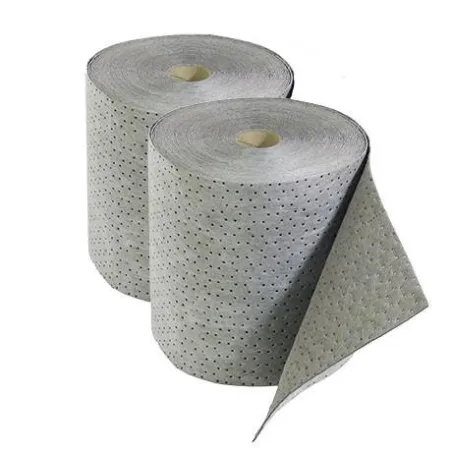
Oil sorbents are a type of sorbents that have been specially developed for absorbing oils and petroleum-derived substances. They are made of hydrophobic materials that have the ability to absorb and retain oils while repelling water at the same time. This means that oil sorbents effectively absorb oils, leaving water untouched. They can take various forms, such as mats, sleeves, pillows or granules.
Application of oil sorbents
Marine industry – in the event of oil spills at sea, oil sorbents are an invaluable tool for combating the effects of environmental disasters. They can be used to absorb spilled oil both on the surface of the water and on beaches, minimizing damage to the marine and coastal environment.
Petrochemical industry – in industrial plants where oils and other petroleum-derived substances are handled, oil sorbents are used to absorb leaks and spills. They protect soil, groundwater and other environments from oil contamination, minimizing negative effects on the ecosystem.
Automotive – oil absorbents are used in car repair shops and other automotive-related facilities. They absorb oil leaks from the floor or oil contamination in the parking area, ensuring a clean and safe working environment.
Transport and storage of oil – oil absorbents are also used in the transport and storage of oil. They can be placed in containers, tanks or bags to absorb leaks and minimize the risk of oil spreading in the event of a failure.
Benefits of using oil sorbents
- Oil absorption effectiveness – thanks to their hydrophobicity, they effectively absorb oil, leaving water untouched. This means a quick and effective response in the event of leaks and the minimization of the effects of oil contamination.
- Environmental protection – oil sorbents contribute to environmental protection by preventing the spread of oils and petroleum-derived substances. Thanks to their use, it is possible to limit damage to the ecosystem, soil and groundwater.
- Workplace safety – the use of oil sorbents in production plants contributes to improving workplace safety. Thanks to the rapid absorption of oil, the risk of slipping and falling is minimized, which translates into better working conditions and a reduced risk of accidents.
- Ease of use – oil absorbents are easy to use and can be available in various forms, such as mats, sleeves, pillows or granules. They are practical and convenient in everyday use, enabling a quick response to oil leaks.
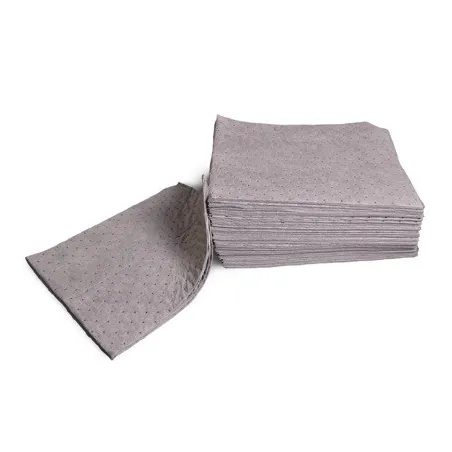
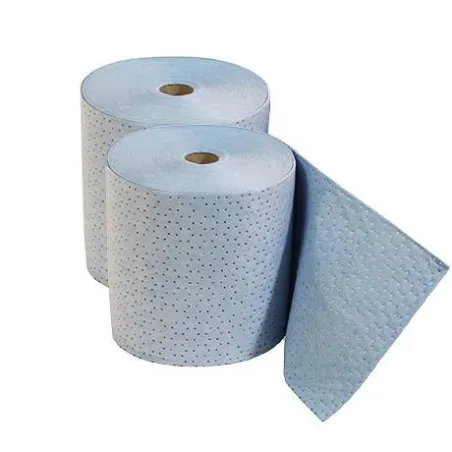
Absorbent mats
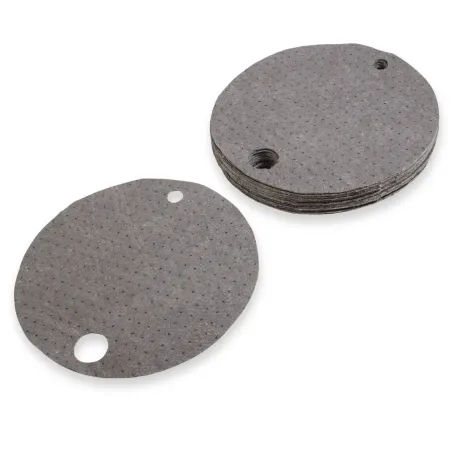
Absorbent mats are special mats or floor coverings made of absorbent materials that have the ability to absorb and retain various substances, such as oils, chemicals, spilled liquids, and other contaminants. They are made of materials with high sorption capacity, such as polypropylene, cellulose, polyester, or natural fibers. Absorbent mats are available in various sizes and thicknesses, which allows them to be adapted to different applications and industrial needs.
Applications of absorbent mats
Automotive industry – in car repair shops and other automotive-related facilities, absorbent mats are used to control leaks of oil, fuel, coolant, and other substances from vehicles. They effectively absorb these liquids, minimizing the risk of environmental contamination and ensuring cleanliness on the floor.
Oil and gas industry – in industrial plants where crude oil and gas are processed, absorbent mats are used to absorb leaks and spills of petroleum-based substances. They protect soil, groundwater, and the surrounding environment from contamination.
Chemical industry – in places where various chemical substances are handled, absorbent mats are used to absorb spilled chemicals. They help prevent the spread of hazardous substances and minimize the risk of environmental contamination and worker exposure.
Food industry – in the food industry, absorbent mats can be used to absorb leaks and spills of liquid food ingredients, such as vegetable oils or juices. They help maintain cleanliness on the floor and minimize the risk of slipping.
Advantages of using absorbent mats
- Absorption effectiveness – Absorbent mats are made of materials with high sorption capacity, which makes them effective at absorbing a variety of substances. They provide a quick response to leaks and minimize the spread of contaminants.
- Environmental protection – absorbent mats contribute to environmental protection by preventing the spread of substances that contaminate soil, water, and air. They minimize the risk of contamination of the natural environment and ecosystems.
- Workplace safety – the use of absorbent mats in production facilities contributes to improved workplace safety. The absorption of spilled substances minimizes the risk of slipping and falling, ensuring a safe environment for workers.
- Ease of use – absorbent mats are easy to use and may be available in various sizes and thicknesses to suit different needs. They can be easily placed on the floor in areas with a high risk of leaks and contamination.
The impact of sorbents on environmental protection and safety
Sorbents play a key role in environmental protection and improving safety in industry. Thanks to their ability to absorb and retain harmful substances, they protect soil, groundwater, and seas from contamination. In the event of a failure or a chemical spill, sorbents are indispensable because they effectively limit the spread of toxic substances.
In the event of a spill, reaction time is extremely important in order to limit the further spread of a given substance as quickly as possible and prevent contamination of soil or water. This can lead to catastrophic consequences such as contamination of inland waters and even ecological disasters.
It is important to prevent employees from slipping on spilled liquid, which can cause injuries and accidents, and in the case of chemical substances, even burns to the body.
In production plants, sorbents are not only a tool for environmental protection, but also help improve worker safety. Thanks to their use, it is possible to respond quickly and effectively to possible leaks or spills of hazardous substances, minimizing the risk of accidents and employees’ exposure to danger.
Benefits of having sorbents in a production plant
- reduction of accident risk: sorbents enable a quick response to leaks and spills of hazardous substances, minimizing the risk of accidents and ensuring safe working conditions.
- environmental protection: by effectively absorbing and retaining harmful substances, sorbents protect the natural environment from contamination and minimize the negative impact on ecosystems.
- compliance with regulations: having appropriate sorbents in a production plant is in line with applicable regulations and standards regarding safety and environmental protection.
- effective emergency management: sorbents enable a rapid response to failures and leaks, which translates into effective management of crisis situations and minimization of losses.
Containers for sorbents
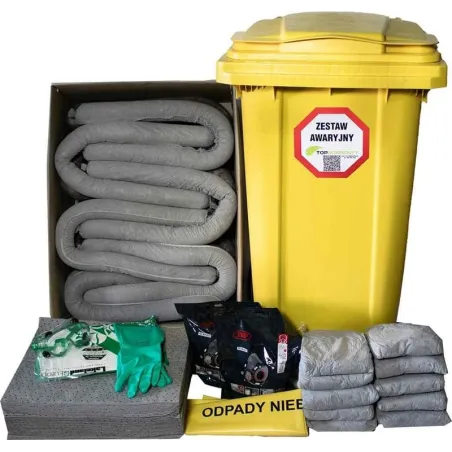
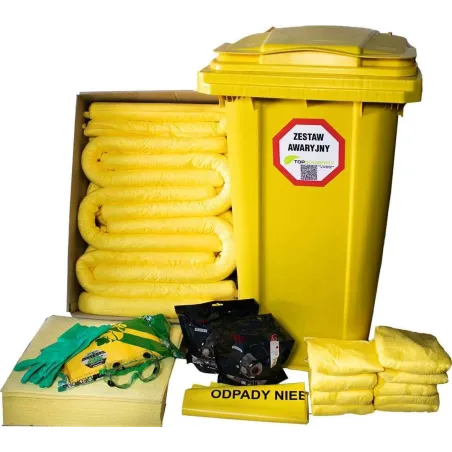
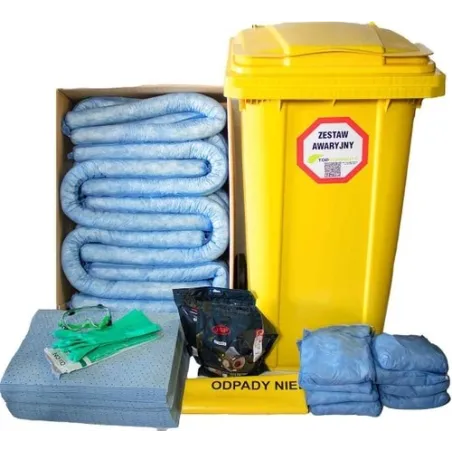
Special containers designed for the storage and quick transport of sorbents. Indispensable in the event of a spill, they allow you to quickly transport sorbents and the necessary PPE to the spill site.They are available in various forms and sizes to meet diverse industrial needs. They also come in bright colors, e.g. yellow, so that they can be easily located and used when needed.
The containers allow orderly storage of sorbents, ensuring easy access to them when needed. This facilitates inventory management and minimizes the risk of a lack of sorbents in key situations.
The containers also provide appropriate protection for sorbents against mechanical damage, contamination, and the effects of weather conditions. Thanks to this, sorbents retain their effectiveness and can be used to the fullest.
Sorbent containers, especially those equipped with wheels, allow easy transport of sorbents from place to place. This significantly facilitates the work of personnel and speeds up the response in the event of a failure or a leak of hazardous substances.
Sorbents are extremely versatile substances that play a key role in industry, environmental protection, and improving safety. Thanks to their ability to absorb and retain various substances, sorbents are an invaluable tool in the fight against pollution and in minimizing the risk of accidents. Their use brings numerous benefits to production plants, employees, and the natural environment. Taking all these factors into account, the importance of sorbents and their role in today's world of industry and ecology cannot be overstated.
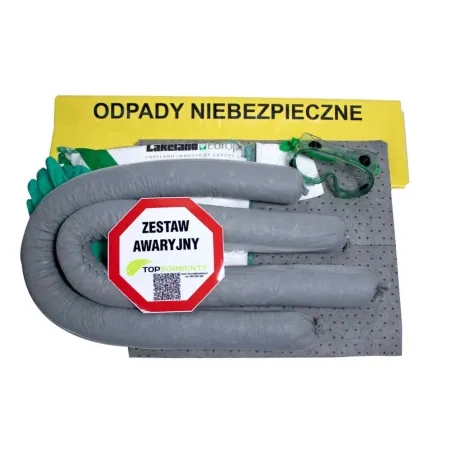
Our offer includes a wide selection of sorbents. Polypropylene sorbents, loose sorbents, ecological vermiculite. If you are responsible for neutralizing leaks in the plant, you certainly know how troublesome this issue can be. Leave it to us! We will select the best sorbent for your plant, conduct employee training on effective spill removal, and deliver sorbents in a convenient, mobile emergency kit.
See how this product works in practice
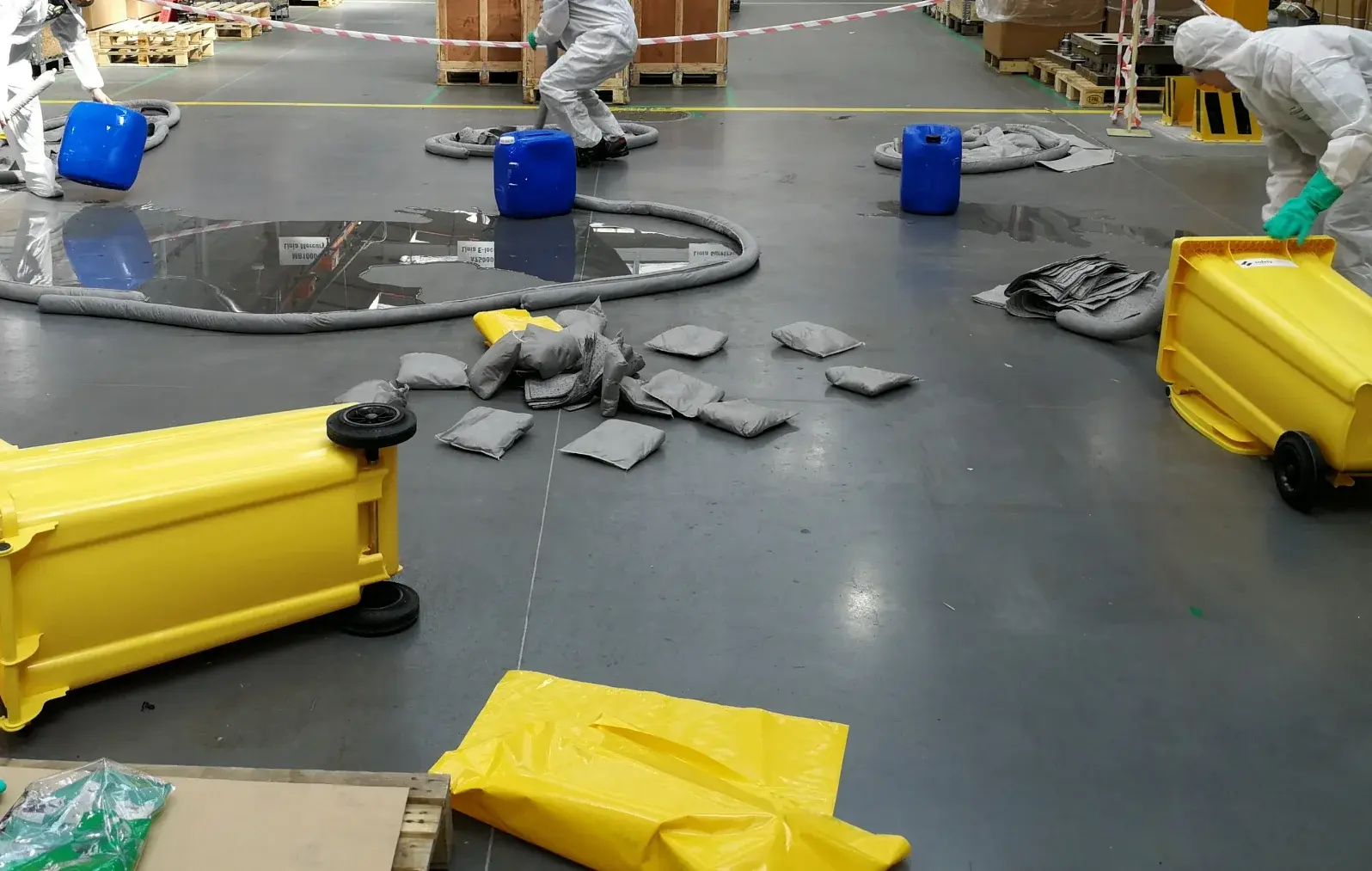
Spill cleanup
Hazardous substances - what to do in case of a spill?
Read more

Storage of hazardous substances
Natural neutralization of substances
Read more
Learn how to safely and environmentally remove spills in the facility.
Articles that may interest you
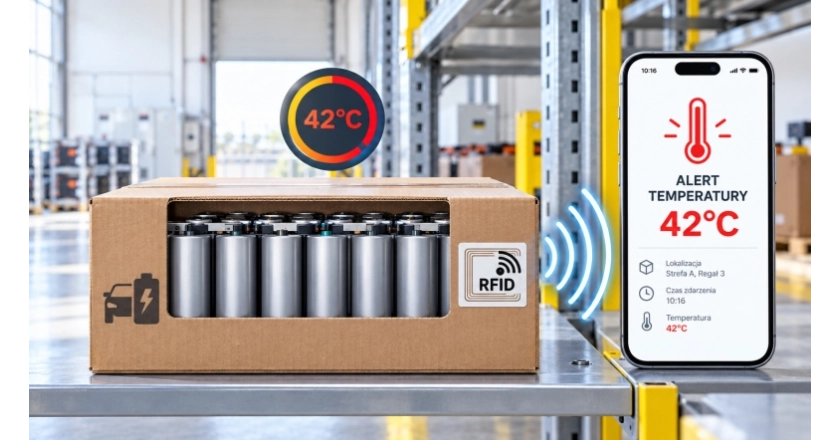

Storage of hazardous substances
Szafy ogniotrwałe – Normy, wymagania i zastosowania - Dokumenty Google
Read more
Odpowiadasz za zabezpieczenia i bezpieczeństwo pracowników w przedsiębiorstwie przemysłowym lub zakładzie produkcyjnym? Inwestycja w szafy ogniotrwałe stanowi zatem jeden z ważniejszych elementów na liście zabudżetowanego wyposażenia.