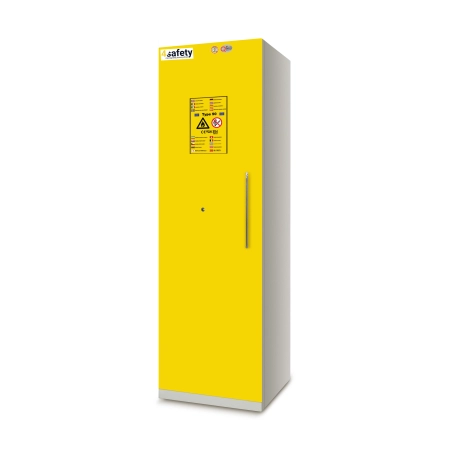
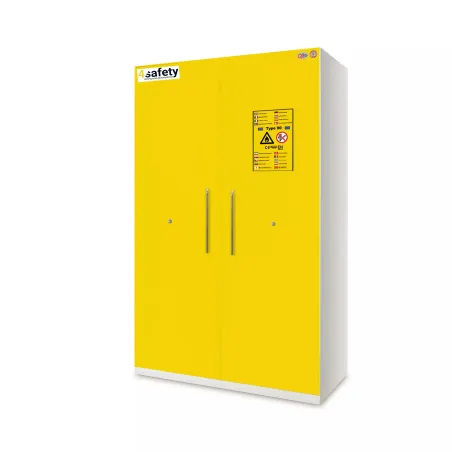
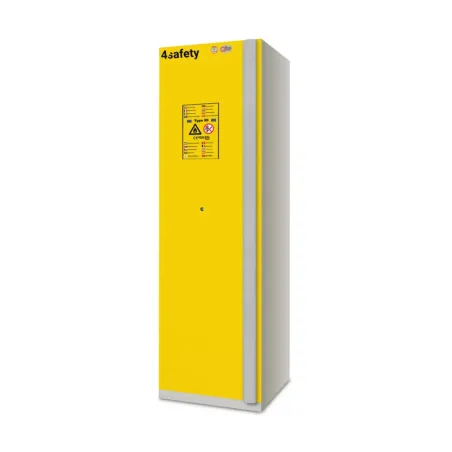
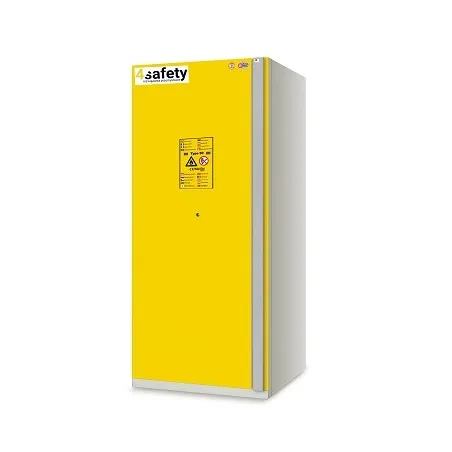
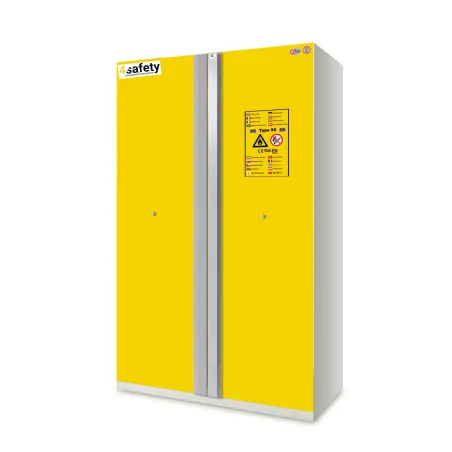
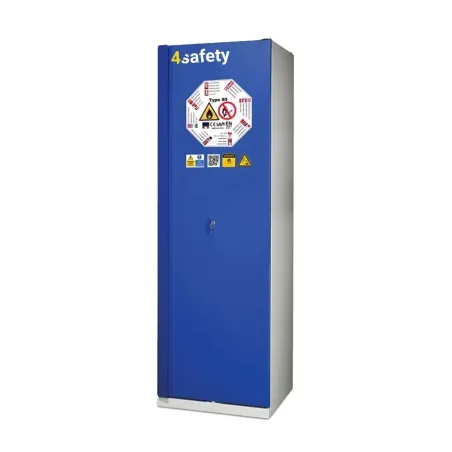
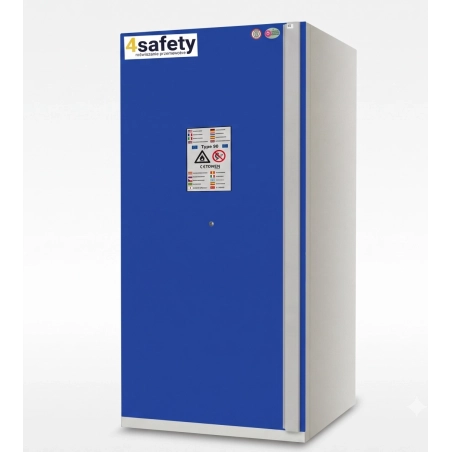
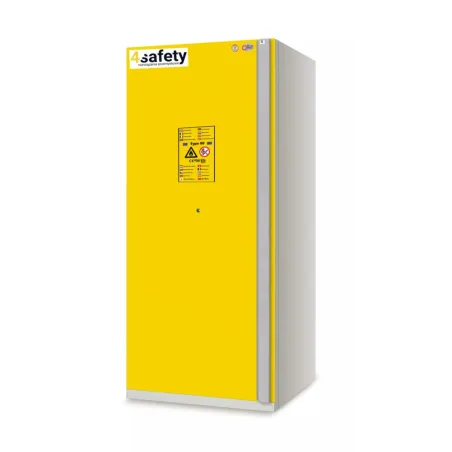
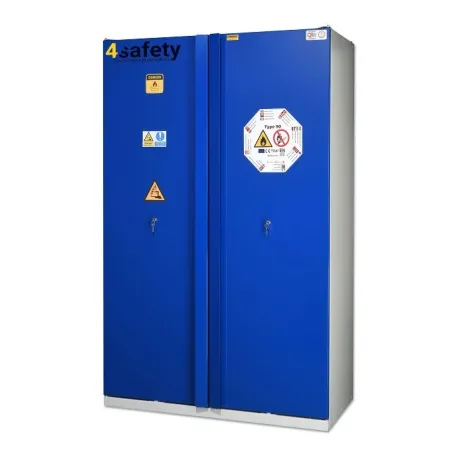
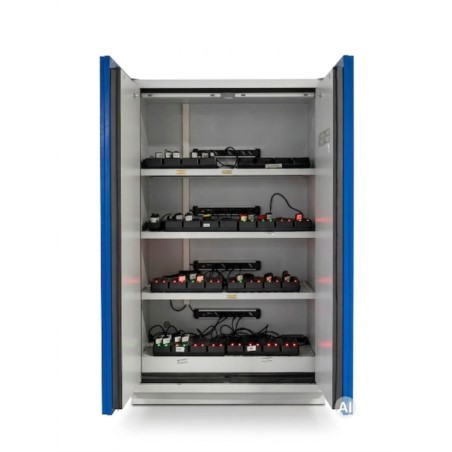
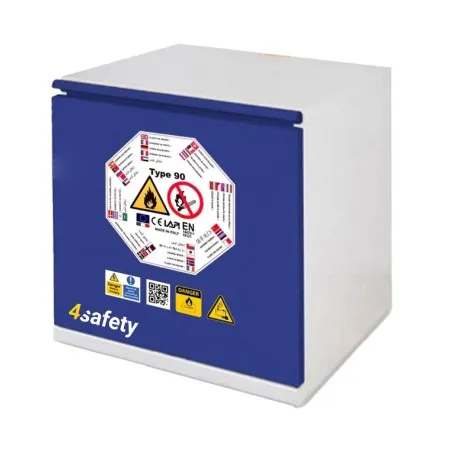
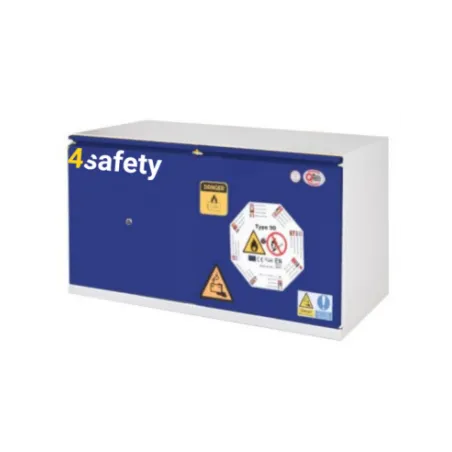
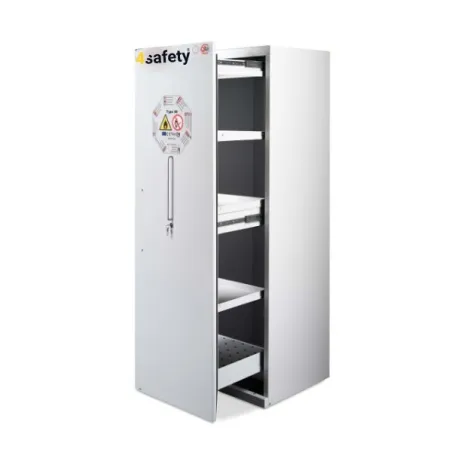
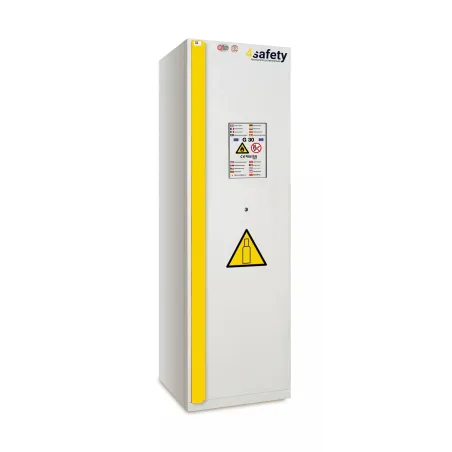
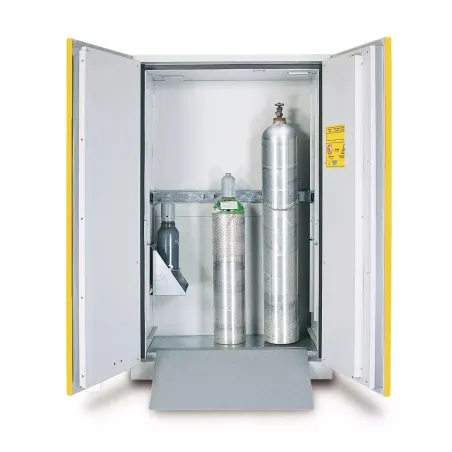
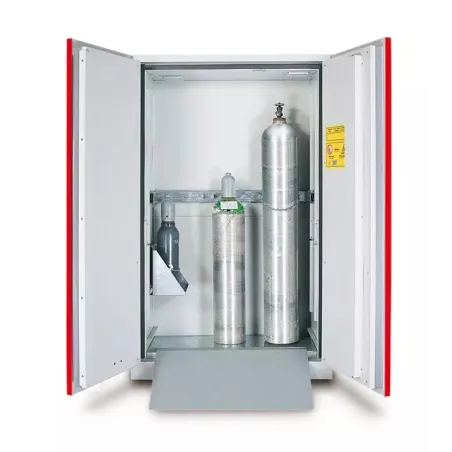
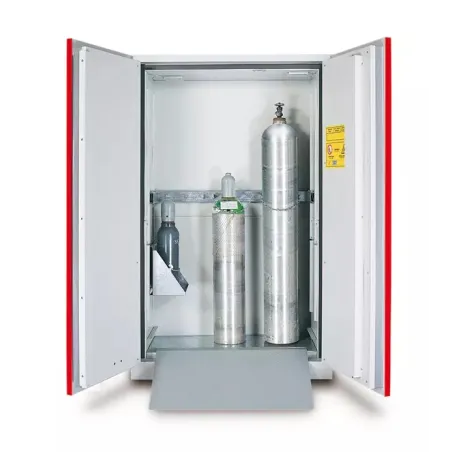
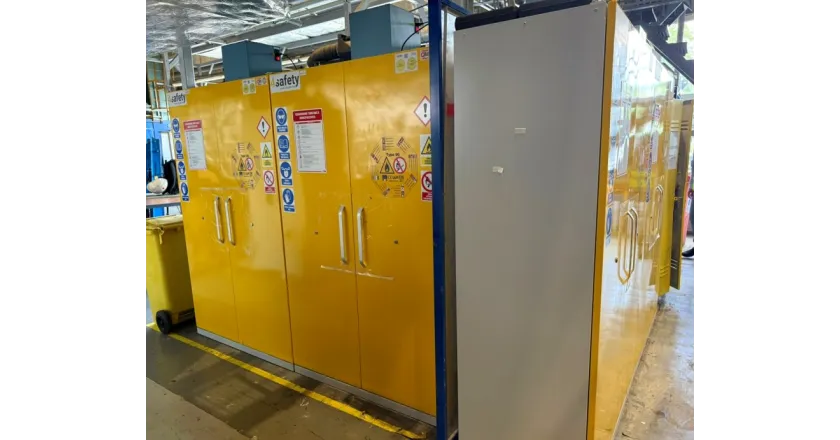
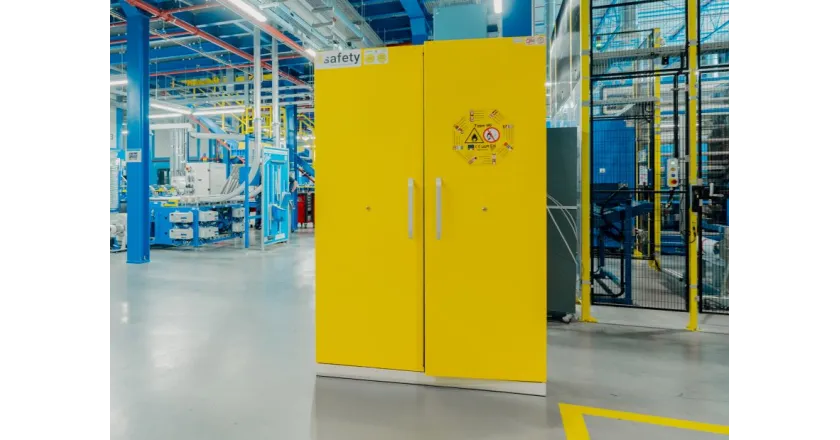
One of the main causes of fires in workplaces is improper storage and handling conditions for flammable substances and liquids. The basic step in reducing fire risk is the proper use of fire-resistant cabinets. Fireproof cabinets are used to store chemicals, fuels, and solvents. Additionally, they reduce the emission of harmful substances into the environment. They contain any possible leakage of substances placed in the cabinet and, in the event of a fire, protect the contents. During a fire, they stop the spread of flames and extend the time available for employee evacuation. Designed to comply with safety regulations and fire protection regulations. Fireproof cabinets are available in various sizes and fire resistance classes, and have different functions and security systems.
What are fire-resistant cabinets?
Fire-resistant cabinets help increase safety when storing chemicals, flammable substances, and other hazardous materials. Their key function is to protect against the spread of fire, toxic gases, and other hazards.
Benefits of using fire-resistant safety cabinets:
- Protection of employees.
- Fire protection for buildings and installations.
- Protection of substances stored in the cabinet.
- In the event of a fire - additional time for evacuation.
- In the event of a fire - stopping the spread of flames.
- Property protection - cabinets protect against fire-related hazards, which can be crucial in the event of the loss of valuable equipment or materials.
- Convenient and safe storage of hazardous substances.
- Meeting risk management requirements in accordance with ISO standards.
Flammable materials should be stored under appropriate conditions for this purpose.
Features of fire-resistant cabinets for storing hazardous substances:
- Fire resistance: these cabinets are made of fire-resistant materials and designed to withstand extreme temperatures and delay the spread of fire inside them.
- Ventilation and filtration: ventilation and filtration systems that ensure proper storage conditions for chemical substances and eliminate any possible fumes and gases.
- Solid construction: reinforced locks and a structure that makes access difficult for unauthorized persons.
- Compliance with safety standards: fireproof cabinets for storing hazardous substances are usually certified and meet stringent standards such as OSHA, NFPA, or EN 14470-1.
What is fire resistance?
Fire resistance is the ability of materials or structures to delay or prevent the spread of fire and to limit the effects of high temperatures. This is an important feature in the context of the safety of buildings, furniture, devices, and other elements that may be exposed to the risk of fire.
The process of measuring and testing fire resistance is usually carried out in research laboratories and is regulated by various norms and standards, depending on the type of product or material. Here is some key information on this topic:
Norms and standards: there are international and national norms and standards that define fire resistance testing procedures. Examples include EN 1363 standards (in Europe) and UL 72 (in the United States), which concern the fire resistance testing of various types of materials and devices.
Fire resistance classifications: fire-resistant products and materials are usually classified based on the length of time they are able to maintain their properties when exposed to specific temperatures. For example, fire-resistant doors may be classified as "EI30," which means that they will maintain their integrity and insulation for 30 minutes under fire conditions.
Test procedures vary depending on the type of product or material. Sample tests include exposing a sample to a specific temperature, thermal radiation, or fire for a specified time. During the tests, various indicators are monitored, such as temperature, pressure, and structural integrity.
Fire resistance categories: Fire-resistant products are often divided into different categories that specify how long and under what conditions they are able to withstand. For example, fire-resistant doors may have different classifications, such as "E," "EI," "EW," which refer to different levels of fire resistance.
Certification: after the tests are completed, products may obtain certificates confirming their fire resistance. These certificates are important for customers and organizations that must meet specific fire safety standards.
It is worth noting that fire resistance does not mean that a material or product is completely resistant to fire. Instead, it means that they have the ability to delay the spread of fire or maintain their functionality for a certain period of time under fire conditions, which gives people more time to evacuate and minimizes damage. Therefore, fire-resistant products are crucial in protecting buildings and other elements against the risk of fire.
The conclusions are clear: fire-resistant cabinets for storing hazardous substances are an indispensable element in industry and laboratories, helping to ensure employee safety and effective management of hazardous materials. Thanks to their specialized features and compliance with standards, they are an integral part of safety efforts in industrial facilities.
Match the cabinet to your requirements. Check out our suggestions.