Safe food production? See how La Lorraine tackled the challenges with 4safety!
Categories
Containers for hazardous wasteContainers for oily wasteContainers for flammable substancesLaboratory containersImmersion containersPiston containersOther containersAccessories for containersContainers for removing liquidsContainers for acids and basesBiodegradable waste containersContainers for washing and cleaningContainers for sorbent/sandType I containersType II containers
Fireproof cabinetsSecurity cabinetsCabinets for batteries and accumulatorsCabinets for hazardous substancesCabinets for gas cylindersUnder-table cabinetsCabinets with pull-out shelvesCabinets for personal protective equipment (PPE)Cabinets for plant protection productsWorkshop cabinetsFans and filter fans for cabinets
Linear bumpers
32 Products.
Show:
Sort by:
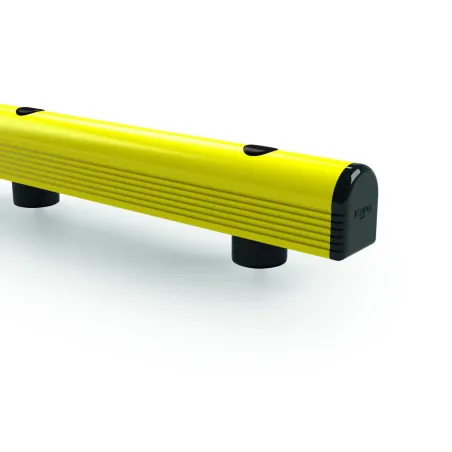
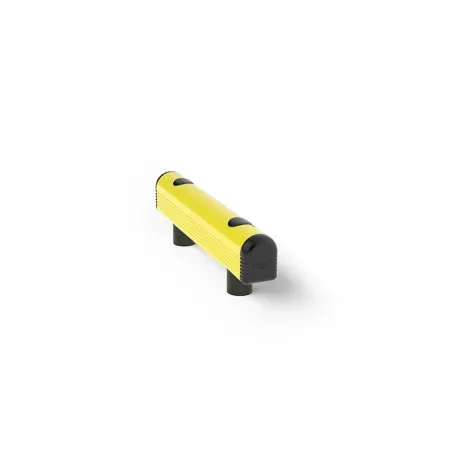
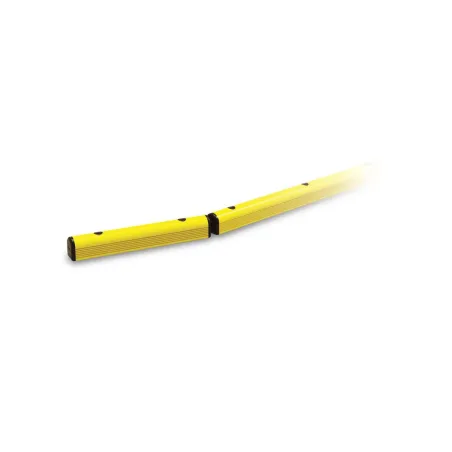
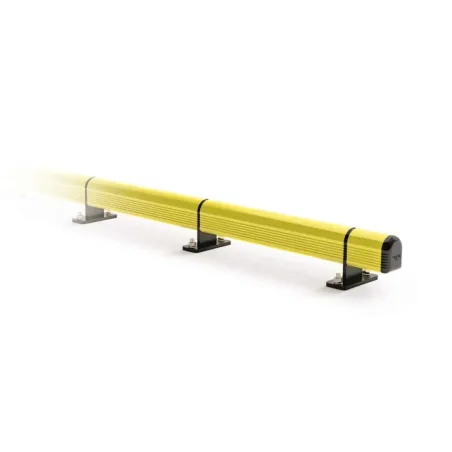
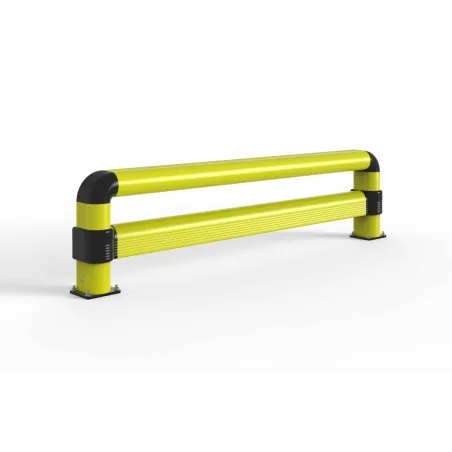
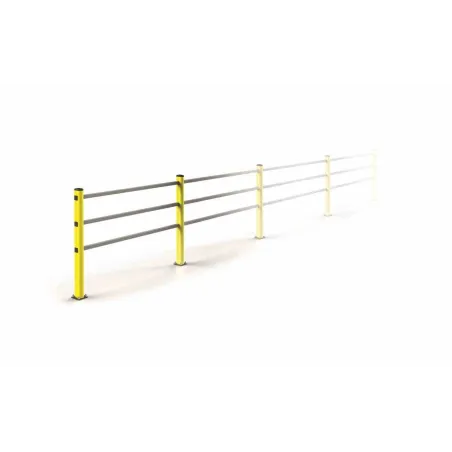
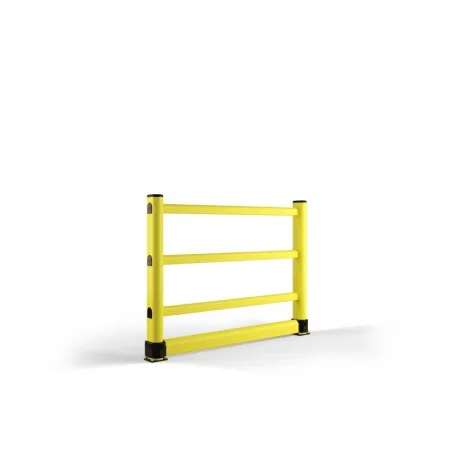
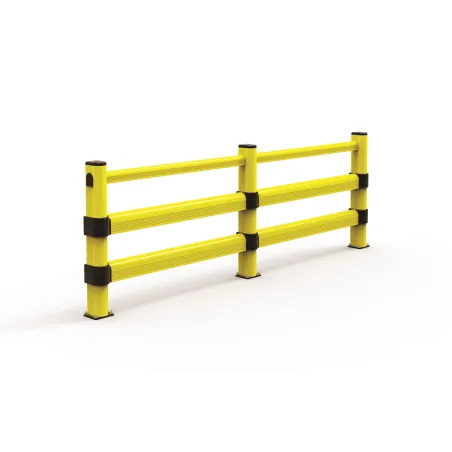
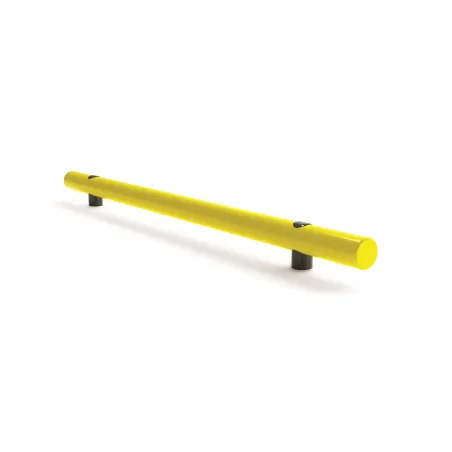
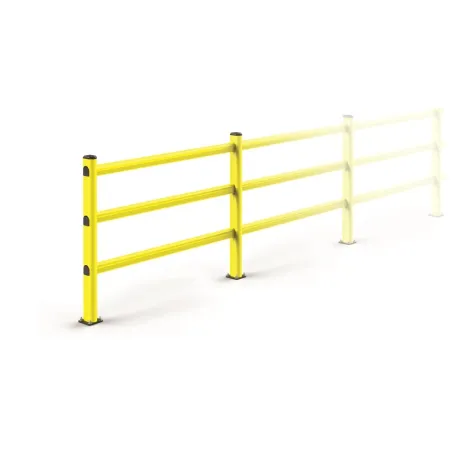
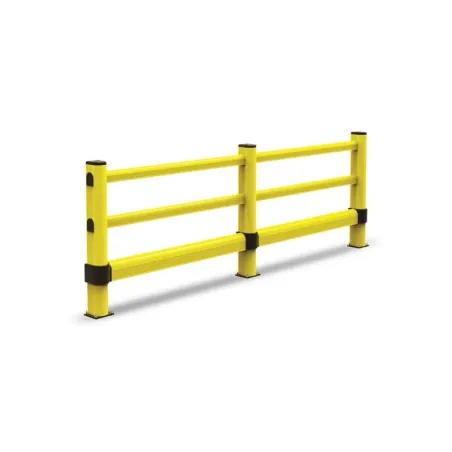
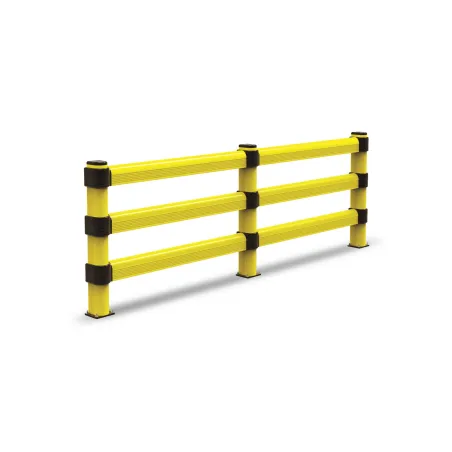
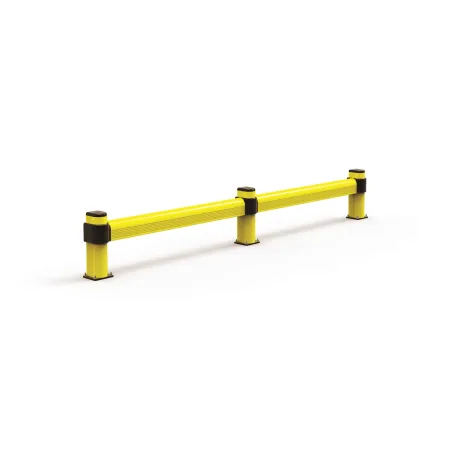
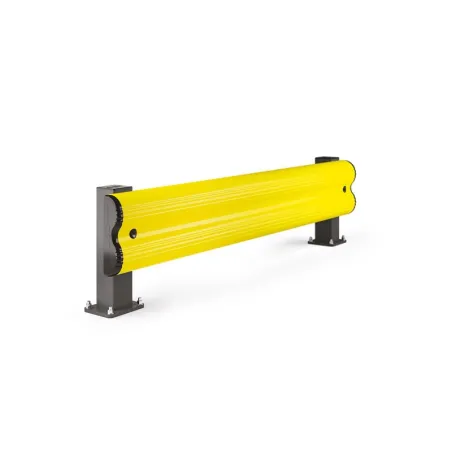
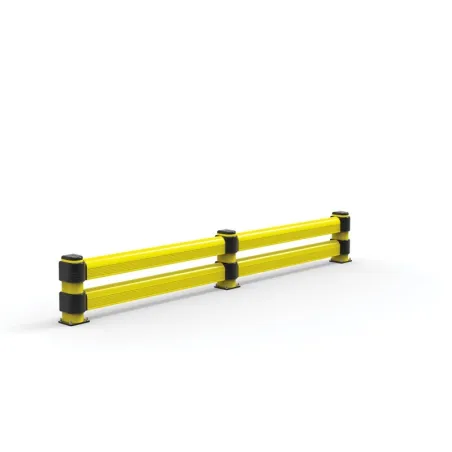
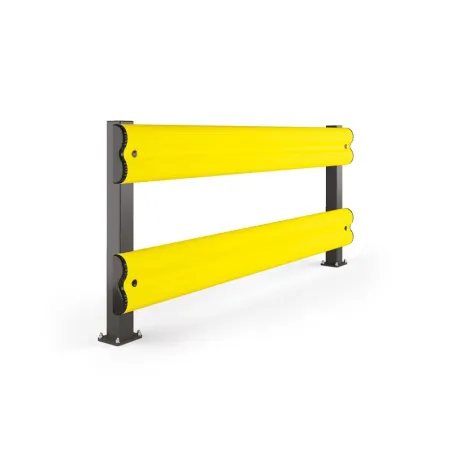
Linear bumpers should be found in every modern industrial hall and warehouse. Their primary task is to protect infrastructure from the effects of impacts and minimize losses resulting from collisions. Thanks to their solid construction, linear bumpers effectively protect walls, racks, machines, and critical zones from damage caused by forklifts, transport vehicles, or warehouse equipment. So put together the right set of equipment for your company at 4safety.
Want to learn more about linear bumpers and other protective elements available at 4safety? Contact our team of specialists. We are at your disposal and will guarantee you comprehensive support.
Linear bumpers – a key element of industrial infrastructure protection
The presence of linear bumpers is both a matter of safety and real savings for the company. They reduce the company's operating costs by:
- protecting infrastructure elements,
- reducing the need for repairs,
- eliminating work downtime.
Properly designed and installed linear bumpers make it possible to better manage traffic within the facility, increasing the safety of employees and goods. So choose proven solutions from 4safety and invest in high-quality protective components for your company.
Linear bumpers are not all you will find in our offer. In the remaining categories, components such as the following await you, among others:
- Flexible barriers,
- Steel barriers,
- Rack protectors,
- Column protectors,
- Foam protective profiles,
- Height restrictors.
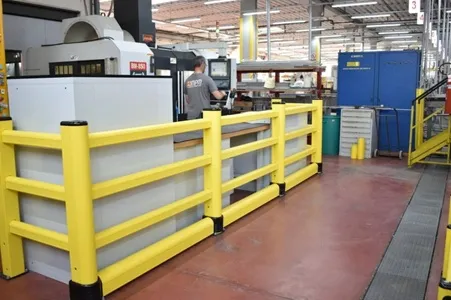
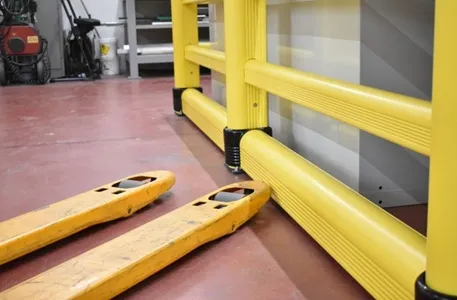
Applications of linear bumpers in various industrial sectors
Linear bumpers are used, among others, in:
- production halls,
- warehouses,
- logistics centers,
- loading ramps,
- indoor parking facilities,
- transshipment zones.
Almost all industries have specific requirements regarding protection. The food industry focuses on hygienic solutions and ease of cleaning. In the automotive industry and logistics, on the other hand, durability and resistance to intensive use are crucial. Thanks to properly selected linear bumpers, it is possible to effectively protect people, equipment, and transported goods from accidental impacts or destruction.
Adequate protection and space organization also translate into more efficient logistics and increased efficiency of warehouse processes. As a result, every facility gains greater control over the safety and functionality of its work zones. So choose the linear bumpers available in the 4safety offer.
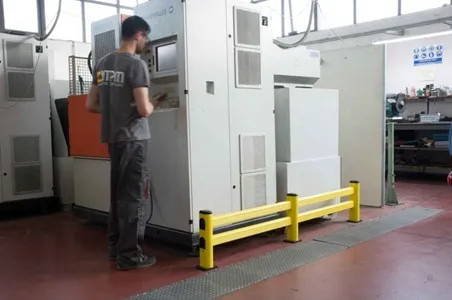
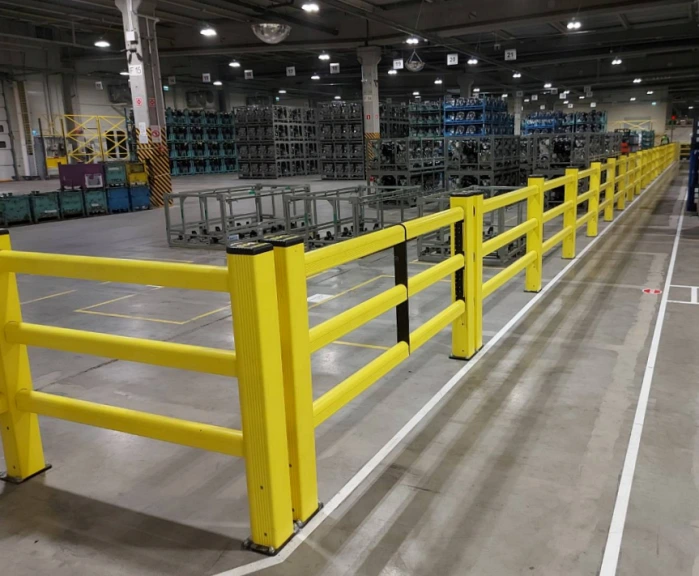
Why is the quality of linear bumpers of key importance?
When choosing linear bumpers, it is worth paying special attention to the quality of workmanship and the type of materials used. The key parameters are:
- impact resistance,
- durability,
- dimensions,
- visibility,
- the ability to adapt the protection to specific working conditions.
By choosing high-quality linear bumpers from 4safety, you gain confidence that your company meets rigorous safety standards and can count on the long-term durability of the protection system. In the 4safety offer, you will find only proven solutions that combine modern designs with solid workmanship, guaranteeing reliability even in the most demanding conditions.
Linear bumpers from 4safety – Comprehensive support for your company
At 4safety, we provide a wide selection of linear bumpers tailored to the requirements of every industry. Customers can count on access to both standard solutions and products prepared to individual order. This guarantees a perfect fit for specific technical and spatial requirements.
The 4safety team also guarantees full technical support. We offer advice at the product selection stage, assistance with placement, and professional installation. Thanks to this, every investment in protection is maximally effective and responds to the real needs of the facility.
Want to learn more? Review the detailed offer or contact our team. This way, you can receive an individual quote and expert assistance regarding the security of your company's infrastructure. Take care of your safety together with 4safety!
Linear barriers – FAQ – Frequently asked questions
What functions do linear barriers perform in industrial plants and warehouses?
The purpose of linear barriers is to protect traffic routes, walls, high-bay storage racks, and machines from mechanical damage resulting from accidental impacts by forklift trucks, pallet trucks, or other transport devices. Properly installed linear barriers from 4safety reduce the risk of costly equipment and infrastructure failures, while also increasing the level of safety for employees moving within hazard zones. They also serve an organizational function, helping to designate logical and safe internal traffic routes. This supports the organization of the plant's logistics.
In which places are linear barriers best suited?
Linear barriers are useful in places where there is an increased risk of transport equipment coming into contact with fixed hall elements. They are most often installed along traffic routes in production halls, next to warehouse racks, on loading ramps, in maneuvering zones, and in corridors where forklift traffic is intensive. The choice of location should always be preceded by a hazard analysis. Critical points where the risk of collision is greatest should be identified. Particular attention should be paid to areas with limited visibility, places with high traffic volume, and spaces where operators maneuver large-sized loads.
How do linear barriers differ from bollards and protective barriers?
Linear barriers from 4safety are intended to secure extensive surfaces. They are most often installed along walls, racks, technological lines, and machines. Protective bollards work locally. They effectively protect corners, pillars, columns, or contact points with a limited exposure area. Protective barriers, on the other hand, have a partitioning function. They are used to separate work zones, restrict access to selected areas, and physically separate traffic routes. In practice, they are often used complementarily – by combining different types of protection, it is possible to create a coherent protection system tailored to the individual conditions of the facility.
What materials and technologies are used in the production of linear barriers?
Linear barriers from 4safety are manufactured from materials that ensure high resistance to impacts and adverse environmental conditions. Most often, this is powder-coated stainless steel or plastics with increased flexibility and chemical resistance. Powder-coated stainless steel combines aesthetics and durability. The paint coating protects against corrosion, while intense warning colors increase visibility. Plastics, in turn, are suitable for places where structural flexibility and impact force reduction are the priority. Modern versions of linear barriers are equipped with quick-installation systems. This shortens installation time and makes it possible to easily adapt the elements to the technical conditions of the facility.
What should you pay attention to when choosing linear barriers for your company?
The dimensions and construction of linear barriers are of key importance. Next, pay attention to the level of protection they offer, as well as the planned installation location. Remember that some models will work well in narrow corridors, while others are better suited to transshipment zones. It is also important to estimate the traffic intensity in a given area and the type of hazards. By choosing linear barriers from 4safety, you can also be sure that they meet the safety standards applicable in the given industry and have the appropriate certificates.
See how this product works in practice
Warehouse barriers
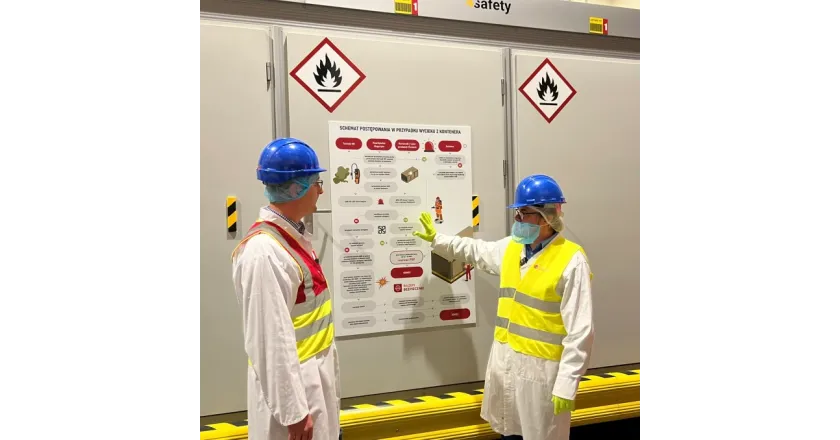
Safe food production? See how La Lorraine coped with the challenges with 4safety!
Read more
Case study
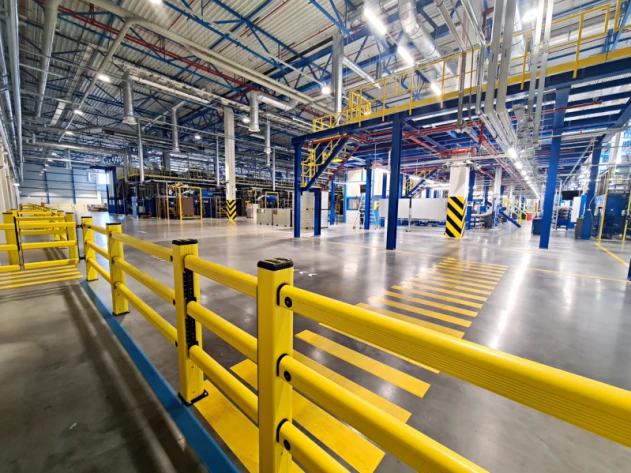
Case study: implementation of a flexible barrier system in a production plant!
Read more
Discover the facility that prioritizes safety! See the implementation of a flexible barrier system in a production plant! What the entire process looks like from concept to completion.
Warehouse barriers
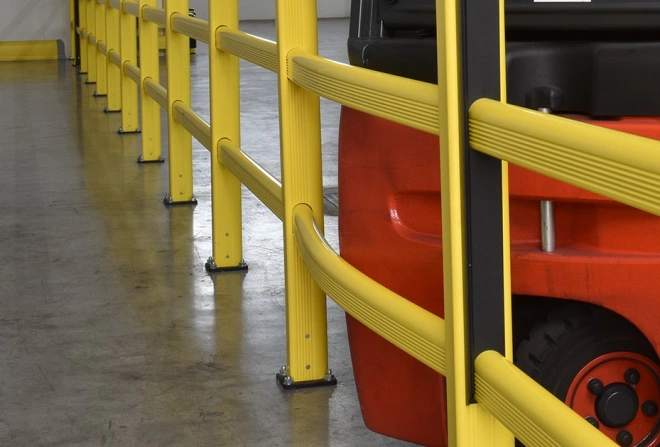
Steel or flexible: which industrial bumpers should you choose?
Read more
Steel or flexible barriers? See the comparison and choose the best warehouse barriers. They protect infrastructure, machines and, most importantly, people's health and lives. Comprehensive equipping of the facility with appropriate barriers costs in the range of PLN 400k - 5 million. Therefore, it is important to choose the right protections already at the warehouse or hall design stage.
Articles that may interest you
Storage of hazardous substances
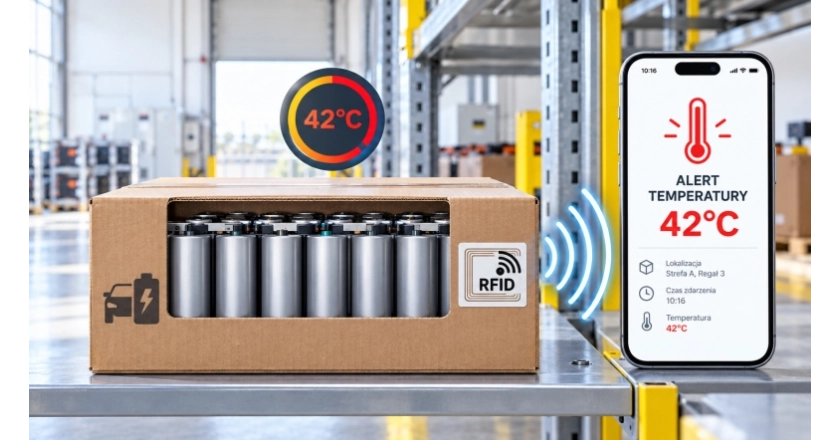
Szafy ogniotrwałe – Normy, wymagania i zastosowania - Dokumenty Google
Read more
Odpowiadasz za zabezpieczenia i bezpieczeństwo pracowników w przedsiębiorstwie przemysłowym lub zakładzie produkcyjnym? Inwestycja w szafy ogniotrwałe stanowi zatem jeden z ważniejszych elementów na liście zabudżetowanego wyposażenia.