Wiedza
- Case study - implementation of the LOTO system in a production plant
- Lockout/Tagout - what is it and why is it worth introducing LOTO?
- Why is it worth implementing a LOTO system with Marcin from 4safety?
- Case study: implementation of a flexible barrier system in a manufacturing plant!
- Steel or flexible: which industrial bumpers should you choose?
- Case study: protection of high-bay racking with a flexible barrier system
- How to safely store lithium-ion batteries?
- Explosion of lithium-ion batteries — how to avoid it?
- Hazardous substances in the storage container
- Safe crane operating zone
- LED safety projectors
- Classification of flexible barriers
- Everything about IBM
- Do It Yourself - industrial printers
- The meaning of the padlock in the LOTO system
- Why is it worth using ergonomic mats?
- Anti-slip protections
- A catch basin is good practice or a regulatory requirement?
- Industrial shelving - types and applications
- About employee comfort and safety
- Frost and structural monitoring of the facility
- What information should a nameplate contain?
- How to prevent accidents with safety containers?
- Fire-resistant cabinet – what should you pay attention to when buying?
- Selection of a spill containment tray
- Hazardous substances - what to do in the event of a leak?
- Hazardous materials under the supervision of an ADR advisor
- What problems do industrial barriers solve?
- Color coding of pipelines – colors, arrows, inscriptions
- Lasers for communication routes
- Natural neutralization of substances
- Energy-intensive barriers – Types, characteristics and application
Hazardous substances - what to do in the event of a leak?
Hazardous substances are commonly present on the premises of an industrial plant
Not only as raw materials used in the production process, but also as substances used passively in internal plant transport, they are stored and disposed of, and securing them is a challenge from entry onto the site to exit from the plant premises.
Therefore, it is necessary to undertake a number of preventive measures to reduce the risk of uncontrolled leaks. However, it is not always possible to exclude random incidents and failures leading to spills of hazardous substances 100%. Therefore, an action plan in the event of leaks will be helpful, taking into account the limitation and removal of emergency spills of hazardous substances.
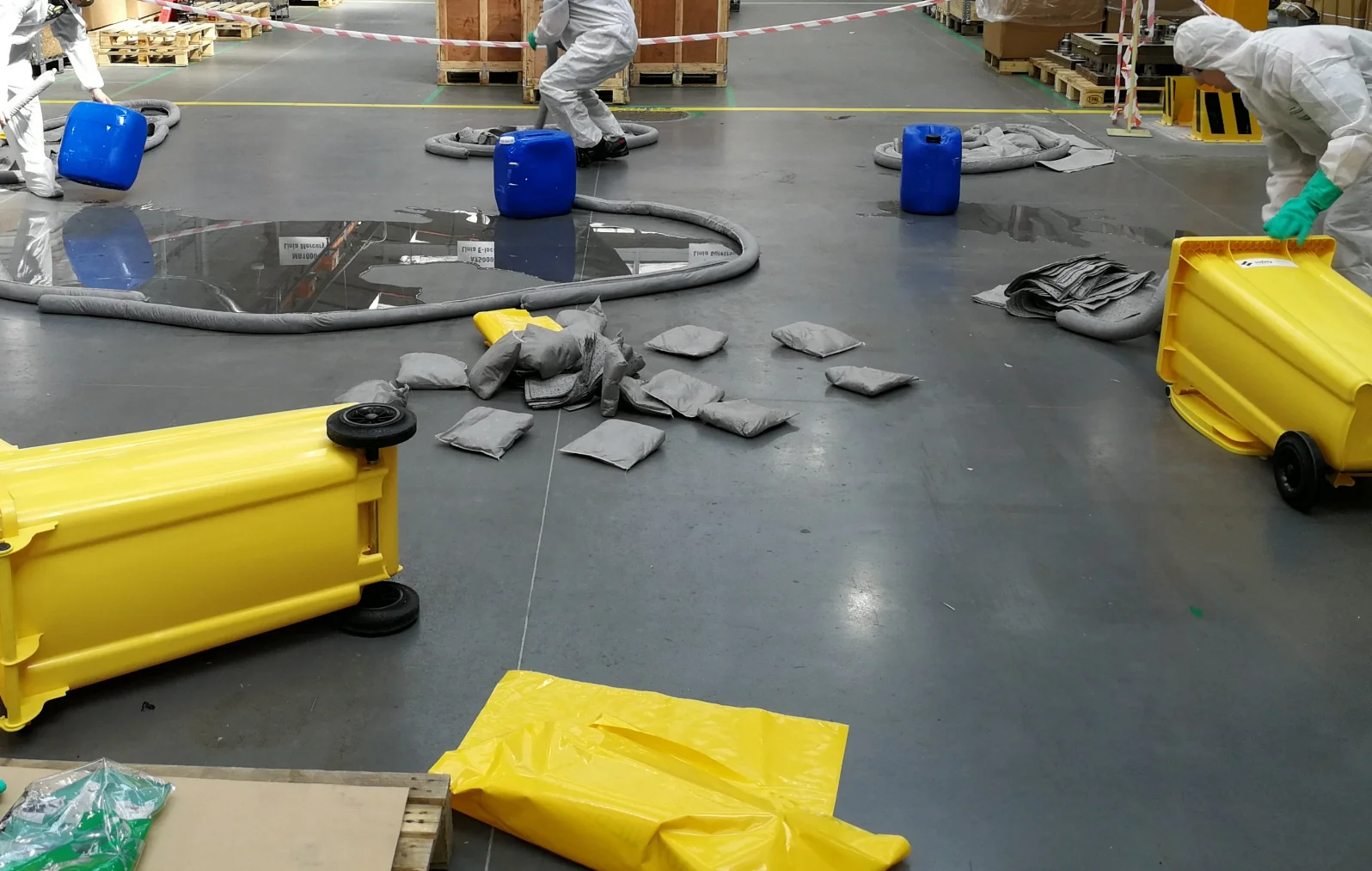
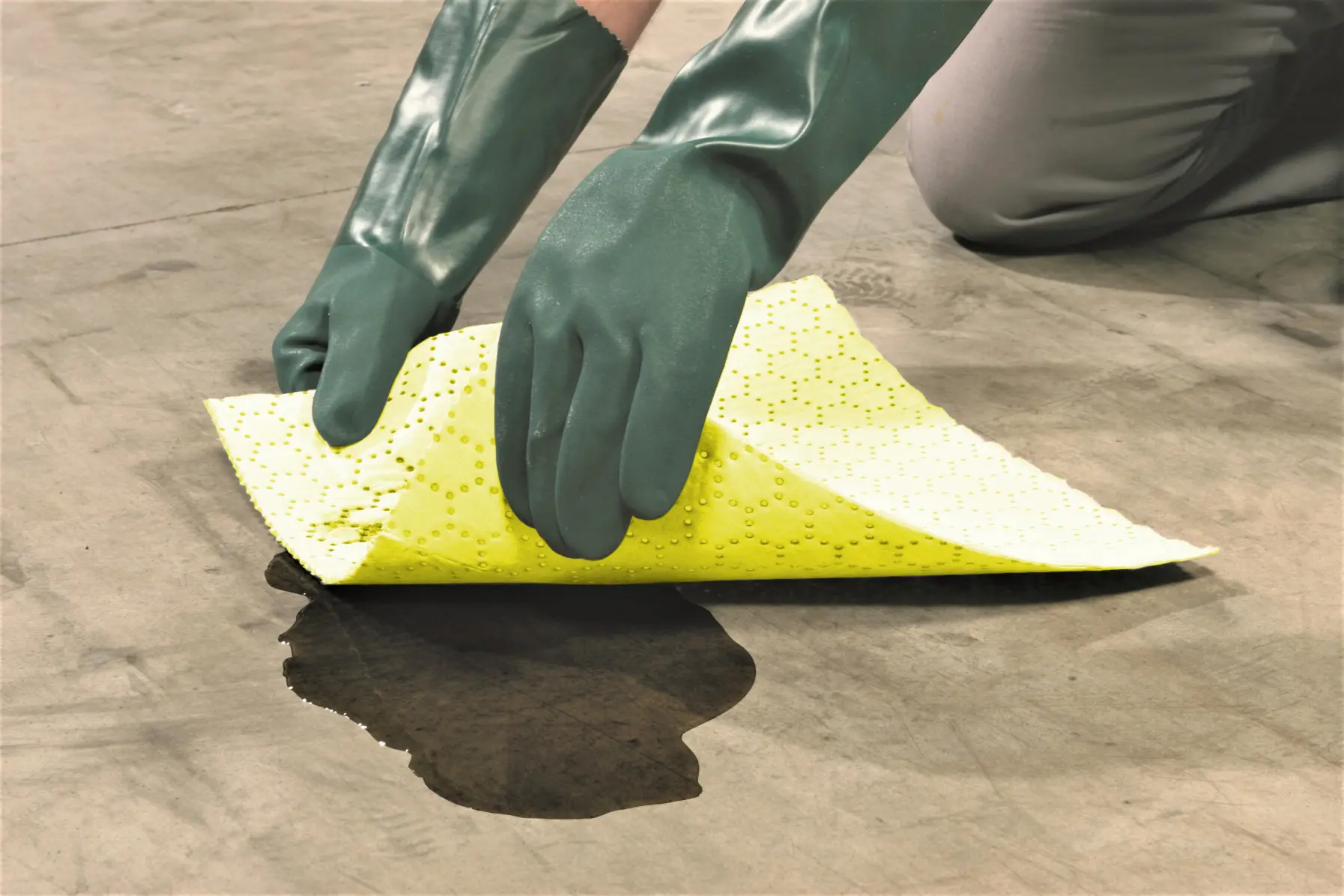
Even small leaks threaten the natural environment
As well as employee safety. Contact with spilled liquid can be dangerous, and spilled liquids are also a potential slipping hazard. The use of rags, sand, sawdust or cardboard can help, however the most ergonomic and economical form will be polypropylene sorbents.
They can be used both preventively and in emergency situations - they easily absorb spilled liquids and help limit risky and environmentally harmful consequences. Polypropylene sorbents are adapted to absorb various types of leaks, from petroleum-derived products to aggressive chemicals.
They are made of strong polypropylene nonwoven fabric and intended for use indoors and outdoors. They absorb liquid and do not release it. They absorb several times their original weight. PP sorbents have excellent absorbency parameters (16 times greater than their own weight), allow for time savings when removing spills, and optimize safety and cleanliness in the workplace.
The most important criterion when choosing sorbents
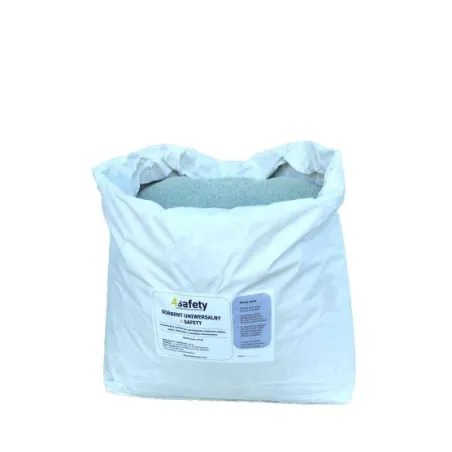
Is determining the type of substances we deal with in the workplace (actually or potentially). We can choose a sorbent from the four available types, distinguished by color: gray - universal, white and blue - oil-only, or yellow - chemical.
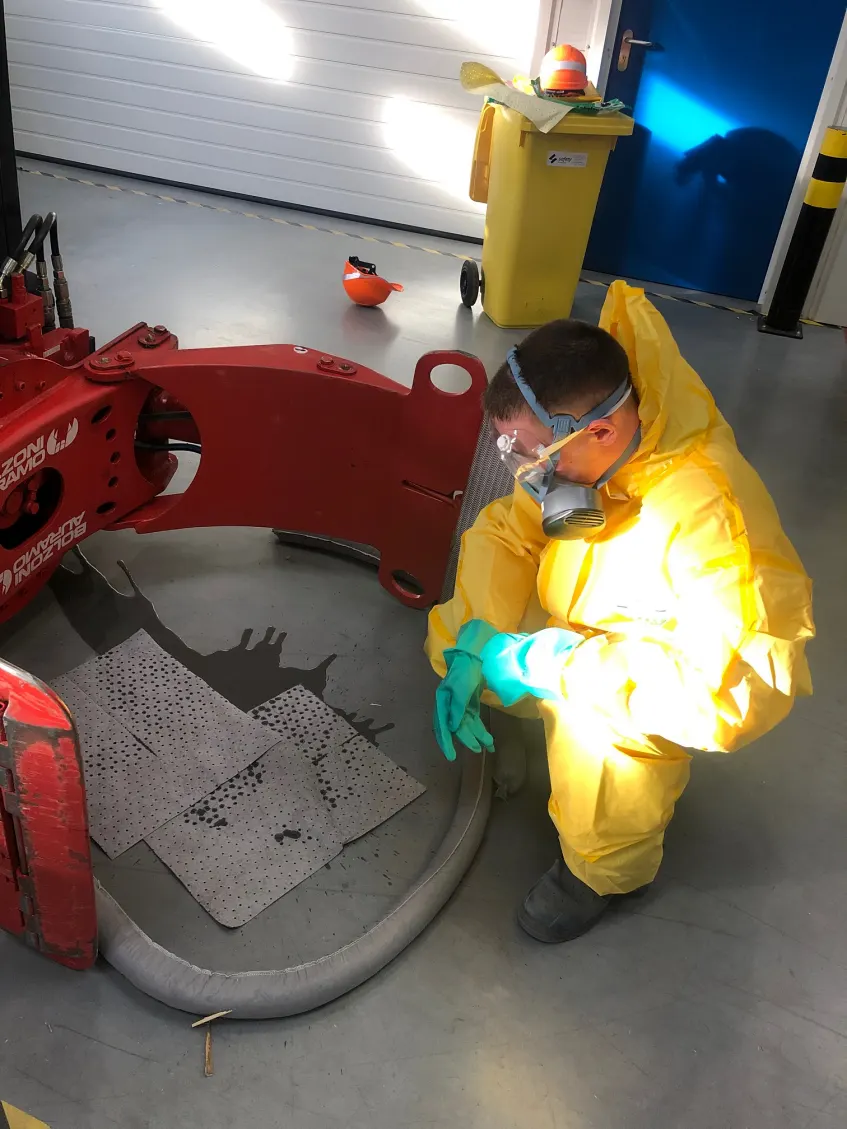
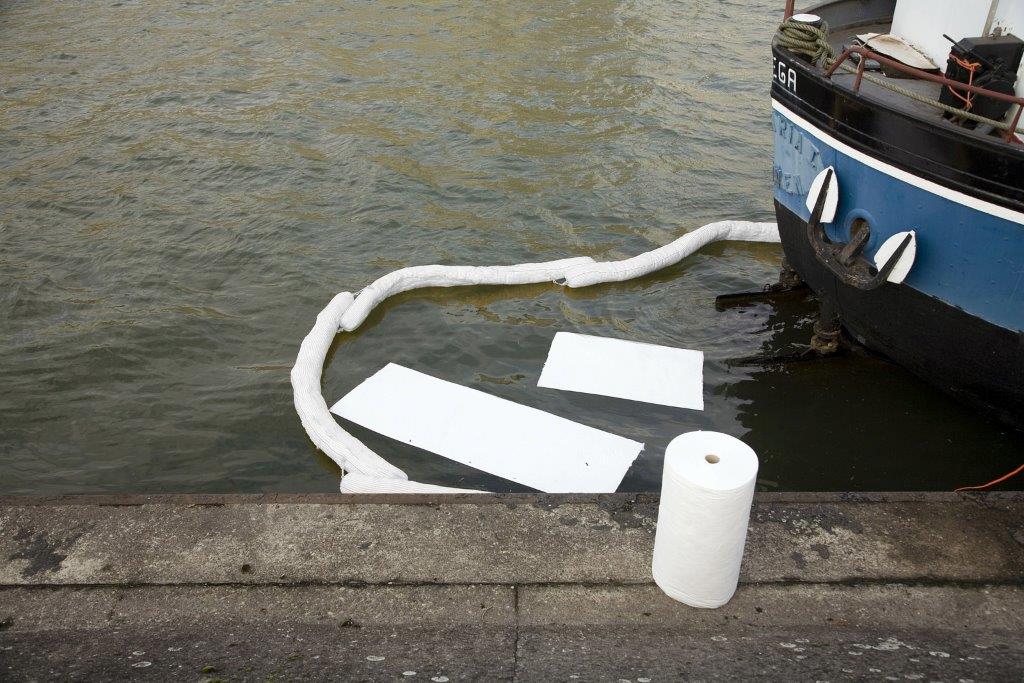
In the next step
It is important to select sorbents appropriately to the nature and frequency of leaks, the absorbency and the shape of the sorbent:
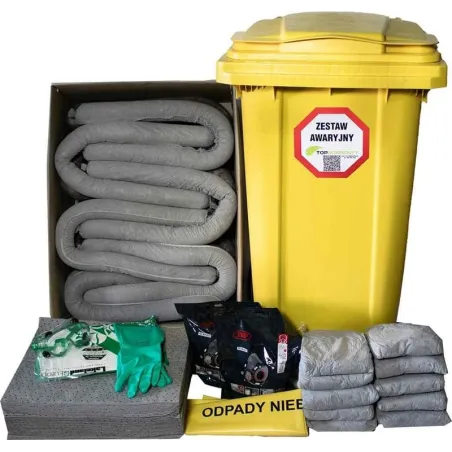
- sorbent mats
- sorbents in rolls
- sorbent sleeves
- sorbent pillows
- river booms
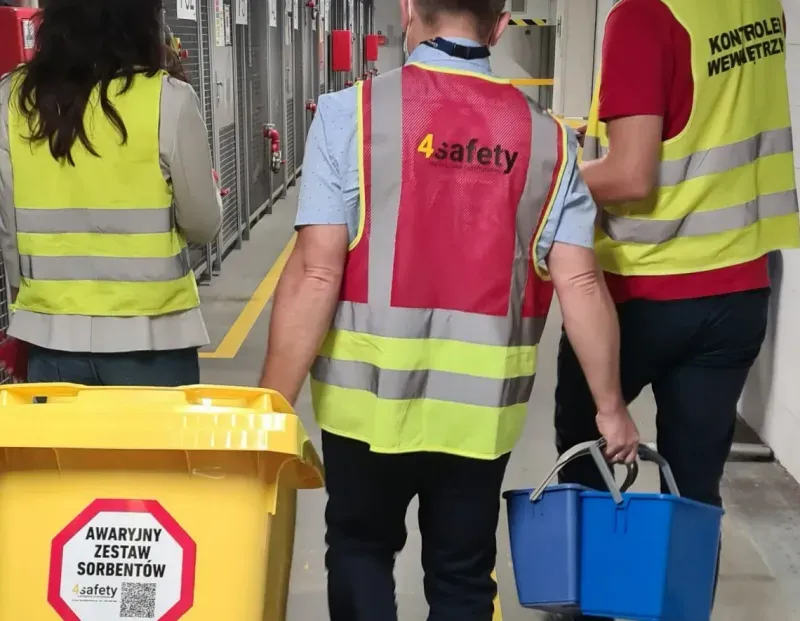
- sorbent kits in the form of ecological spill kits
All of the above products are intended to organize a quick and efficient spill removal operation consisting primarily of:
- informing supervisors and securing the area
- protecting employees
- locating the leak,
- cutting off the source and limiting the leak
- coordinating the actions of the people involved in leak removal
- disposing of the waste and preparing documentation
Prevention and leak removal should be related to risk management
Based on the analysis of the substances' MSDS sheets and an action plan in the event of an emergency spill. When choosing sorbent kit ecological spill kits and using mats, rolls and sleeves, we should take into account
- the location and source of the leak,
- the volume and quantity of the substance,
- the possibility of a reaction occurring between substances
Developing a contingency plan should also include selecting the people responsible for the first response action, the place for storing the waste collected after the spill cleanup action, selecting personal protective equipment and periodic training and spill simulations.

Choose an emergency absorbent kit ideal for your facility
Do you need advice on choosing absorbents?
Fill out a short form and wait to be contacted by an advisor from your region.