Wiedza
- Case study - implementation of the LOTO system in a production plant
- Lockout/Tagout - what is it and why is it worth introducing LOTO?
- Why is it worth implementing a LOTO system with Marcin from 4safety?
- Case study: implementation of a flexible barrier system in a manufacturing plant!
- Steel or flexible: which industrial bumpers should you choose?
- Case study: protection of high-bay racking with a flexible barrier system
- How to safely store lithium-ion batteries?
- Explosion of lithium-ion batteries — how to avoid it?
- Hazardous substances in the storage container
- Safe crane operating zone
- LED safety projectors
- Classification of flexible barriers
- Everything about IBM
- Do It Yourself - industrial printers
- The meaning of the padlock in the LOTO system
- Why is it worth using ergonomic mats?
- Anti-slip protections
- A catch basin is good practice or a regulatory requirement?
- Industrial shelving - types and applications
- About employee comfort and safety
- Frost and structural monitoring of the facility
- What information should a nameplate contain?
- How to prevent accidents with safety containers?
- Fire-resistant cabinet – what should you pay attention to when buying?
- Selection of a spill containment tray
- Hazardous substances - what to do in the event of a leak?
- Hazardous materials under the supervision of an ADR advisor
- What problems do industrial barriers solve?
- Color coding of pipelines – colors, arrows, inscriptions
- Lasers for communication routes
- Natural neutralization of substances
- Energy-intensive barriers – Types, characteristics and application
The meaning of the padlock in the LOTO system
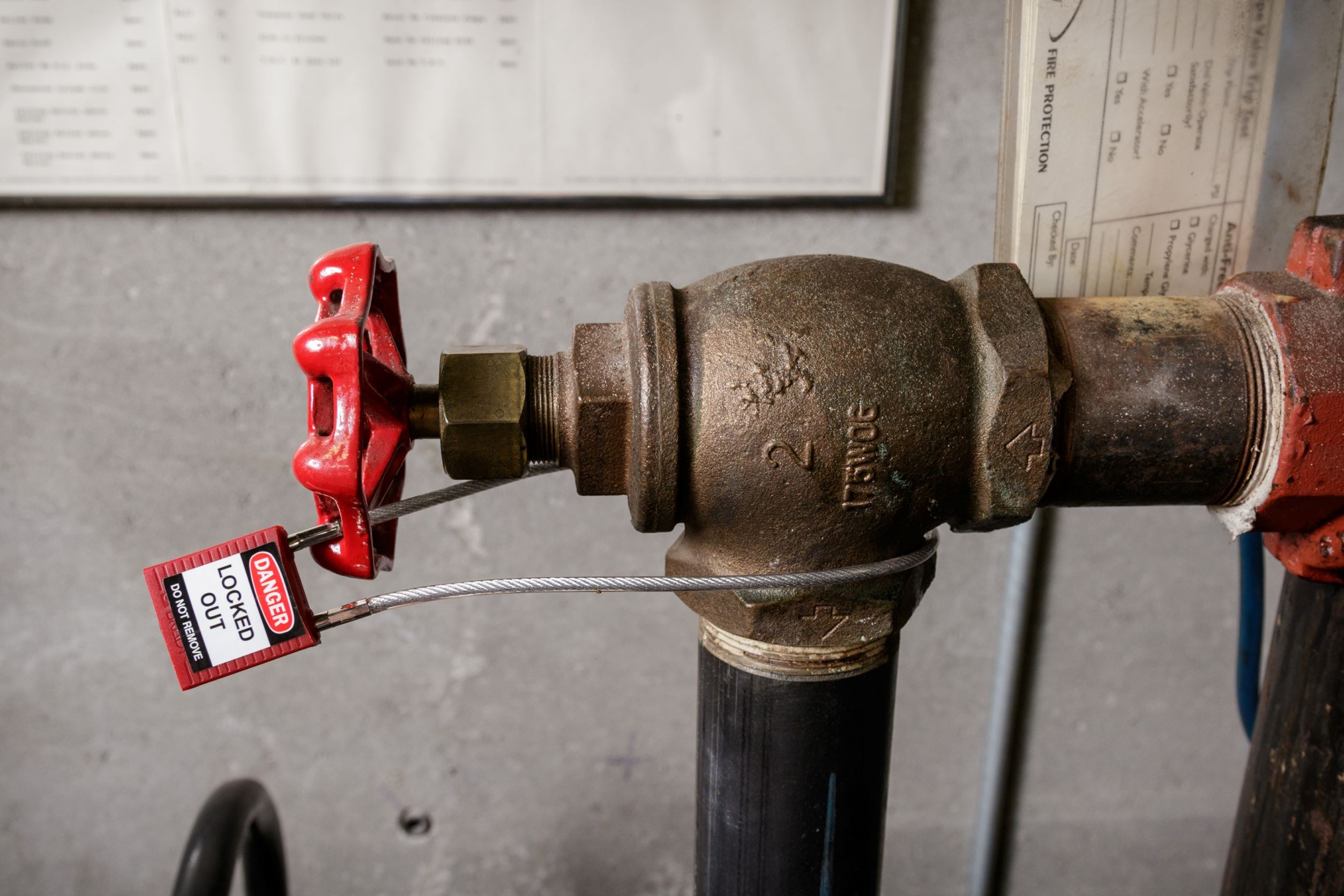
One of the main elements of the LOCKOUT TAGOUT system is the safety padlock.
Unfortunately, it still happens that users of the system underestimate its role by reaching for random tools that only resemble it. Bearing in mind the fact that the padlock serves as a personal guarantor during service work, we should pay more attention to its properties. The right choice of padlock can significantly increase the level of our safety at work.
Functions of the padlock
Of course, the basic function of a padlock – there is no doubt about that - is to restrict access. In the case of the LOTO system, it is used to isolate dangerous energy supply sources, e.g.
- electrical,
- mechanical
- pneumatic,
- hydraulic,
- thermal,
- gravitational, etc.
It should be remembered that industrial equipment usually uses at least two types of energy.
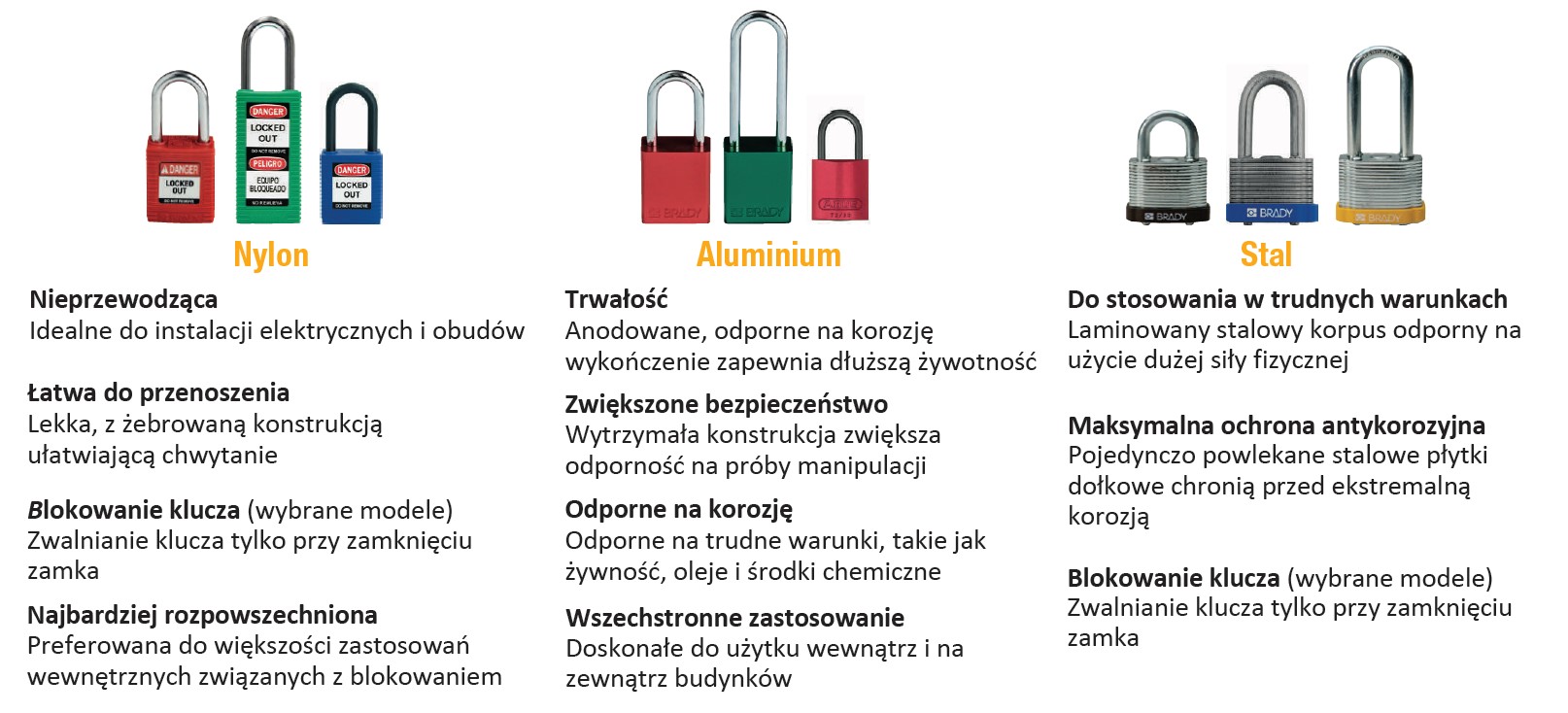
Hence the division of padlocks according to material - here we mean both the padlock body itself and the shackle.
Shackle material
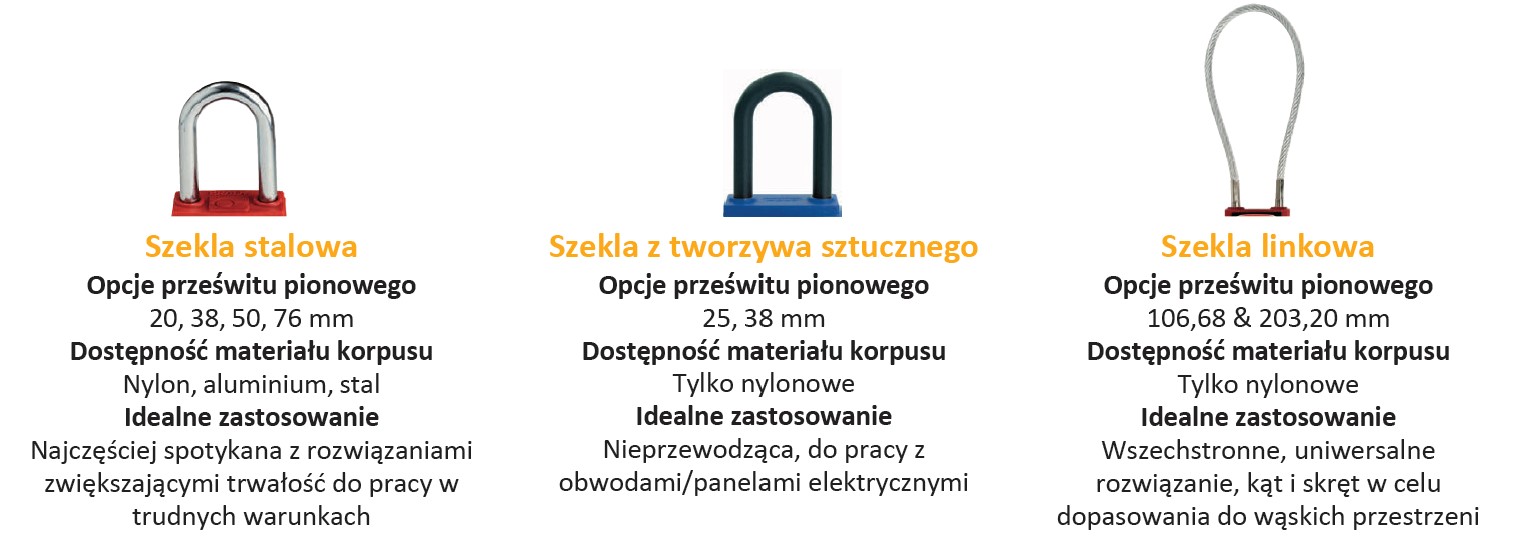
Padlock values
Proper visualization is also important for the LOTO system, therefore marking padlocks with different colors helps identify both the type of work being carried out and the team conducting it.
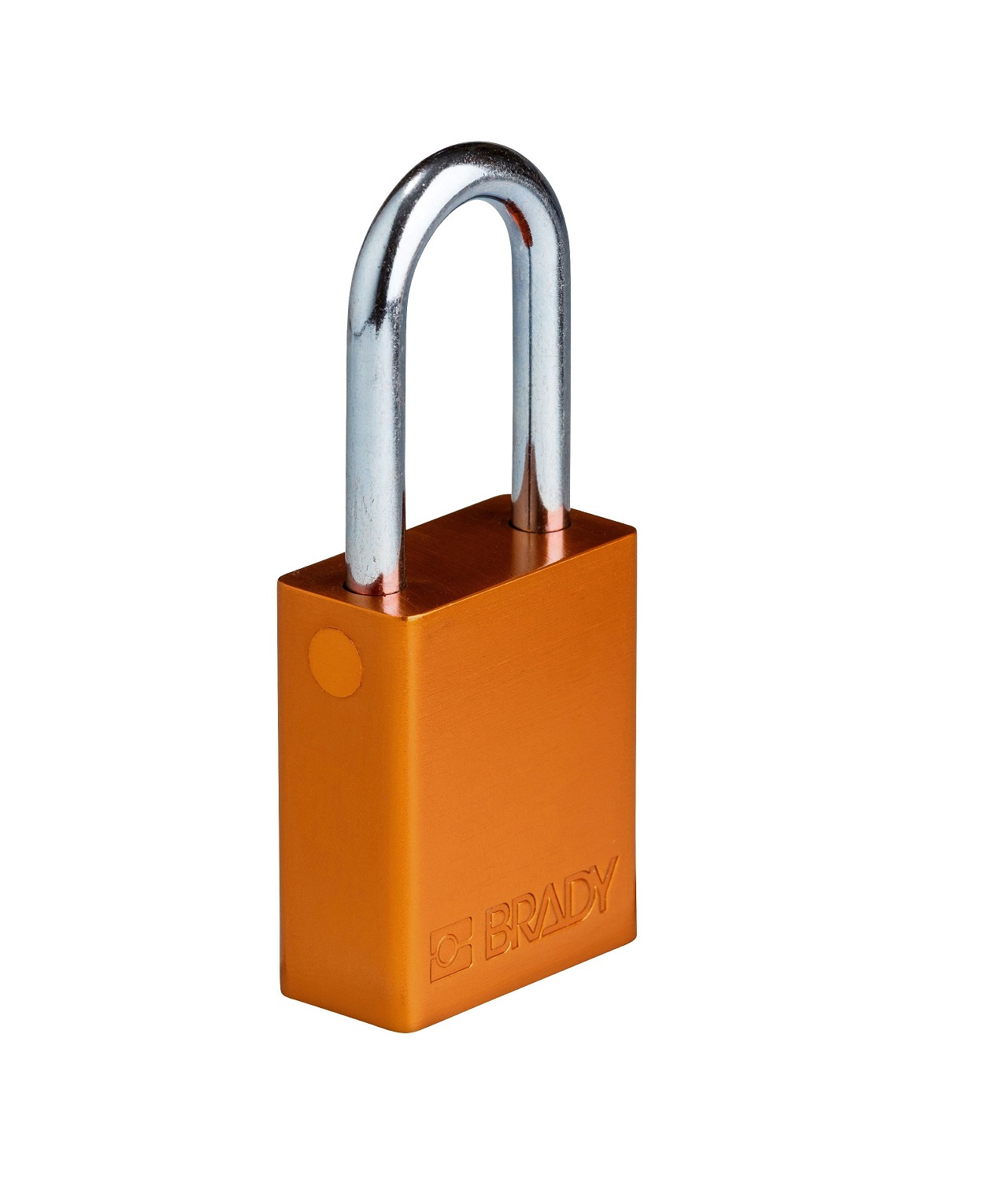
Aluminum padlockBy design, the employee has the padlock with them for most of the time, which is why attention is paid to their weight (the use of a nylon or aluminum body and/or shackle).
It also happens that conditions are difficult, e.g. outdoor work, which is why some padlocks are characterized by resistance, among other things, to corrosion (steel or aluminum body).
There are industries that require the use of non-conductive or even non-sparking padlocks, allowing them to be used in explosion-hazard zones in accordance with the ATEX directive. Of course, in the 4safety offer we will also find padlocks certified in this respect.
Referring to the use of padlocks in different work environments or industries, it is not only the material they are made of that matters. Both the place where the padlocks are used and the use of other personal protective equipment used by their users should be taken into account.
In terms of size, a padlock used in electrical cabinets should normally be small and should not interfere with closing the cabinet. On the other hand, in a situation where an employee spends most of the time in thick gloves, a compact size may be problematic, therefore it is possible to use a padlock with an extended body, thanks to which the user/employee will not be forced to take off the gloves.
Maximum safety
In addition to typically physical attributes, it is also worth paying attention to the mechanical properties of padlocks, which ensure maximum safety by minimizing the risk of key duplication or accidental locking of the padlock, among other reasons why most padlocks are not self-latching, and closing them involves deliberately turning the key in the lock to the closed position.
As another example, one can mention the key locking mechanism in the open position, which helps combat routine - one of the more common problems causing accident situations. The use of such a solution gives us the guarantee that removing the key is equivalent to properly closing the padlock, while at the same time making it impossible to remove it when the padlock is open.
These are only example features of a good safety padlock. If you are interested in the Lockout/Tagout system, we will be happy to present the available options for padlocks and lockout devices, as well as our services such as:
- initial LOTO audit,
- periodic employee training,
- implementation of the LOTO system, etc.
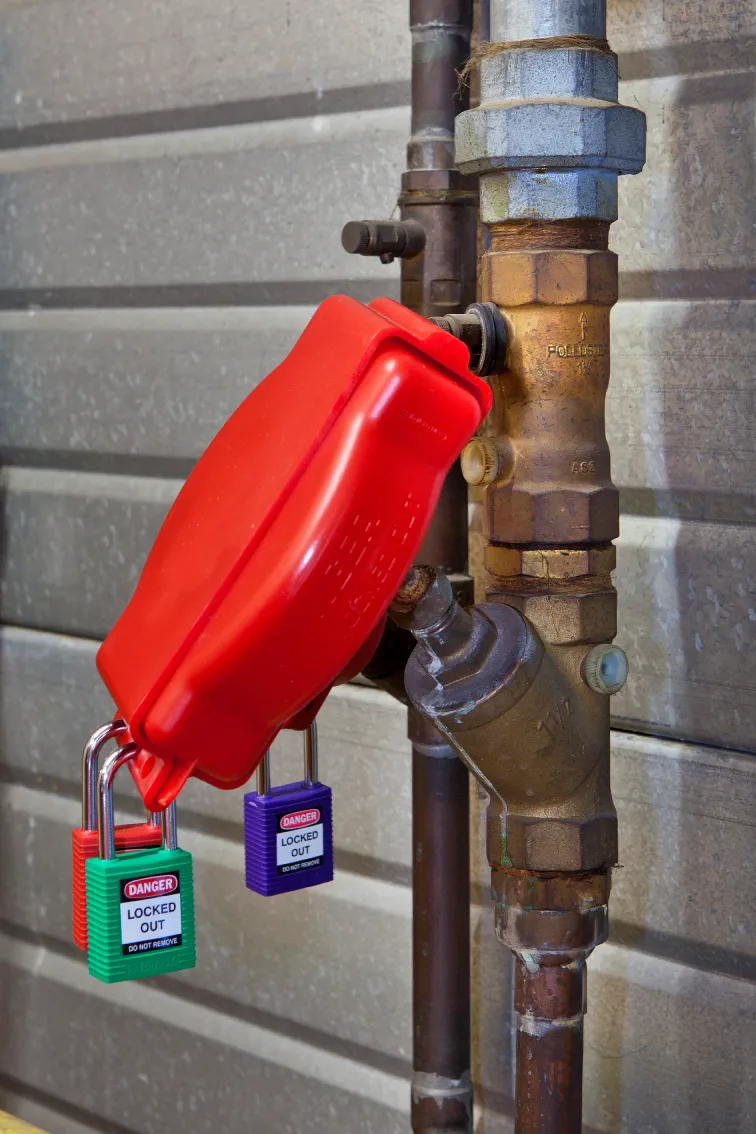

Reduce the risk of accidents thanks to properly selected padlocks and lockout devices.
Fill out this short form and an advisor from your region will contact you.