Wiedza
- Case study - implementation of the LOTO system in a production plant
- Lockout/Tagout - what is it and why is it worth introducing LOTO?
- Why is it worth implementing a LOTO system with Marcin from 4safety?
- Case study: implementation of a flexible barrier system in a manufacturing plant!
- Steel or flexible: which industrial bumpers should you choose?
- Case study: protection of high-bay racking with a flexible barrier system
- How to safely store lithium-ion batteries?
- Explosion of lithium-ion batteries — how to avoid it?
- Hazardous substances in the storage container
- Safe crane operating zone
- LED safety projectors
- Classification of flexible barriers
- Everything about IBM
- Do It Yourself - industrial printers
- The meaning of the padlock in the LOTO system
- Why is it worth using ergonomic mats?
- Anti-slip protections
- A catch basin is good practice or a regulatory requirement?
- Industrial shelving - types and applications
- About employee comfort and safety
- Frost and structural monitoring of the facility
- What information should a nameplate contain?
- How to prevent accidents with safety containers?
- Fire-resistant cabinet – what should you pay attention to when buying?
- Selection of a spill containment tray
- Hazardous substances - what to do in the event of a leak?
- Hazardous materials under the supervision of an ADR advisor
- What problems do industrial barriers solve?
- Color coding of pipelines – colors, arrows, inscriptions
- Lasers for communication routes
- Natural neutralization of substances
- Energy-intensive barriers – Types, characteristics and application
A catch basin is good practice or a regulatory requirement?
Find out in which cases you need a spill containment tray and when it is legally required. Learn a simple way to calculate what tray capacity you need.
- eliminates the risk of environmental contamination,
- reduces the risk of slips and falls,
- reduces the costs associated with cleaning up a spill,
- ensures the possibility of collecting and reusing liquids,
- helps maintain cleanliness.
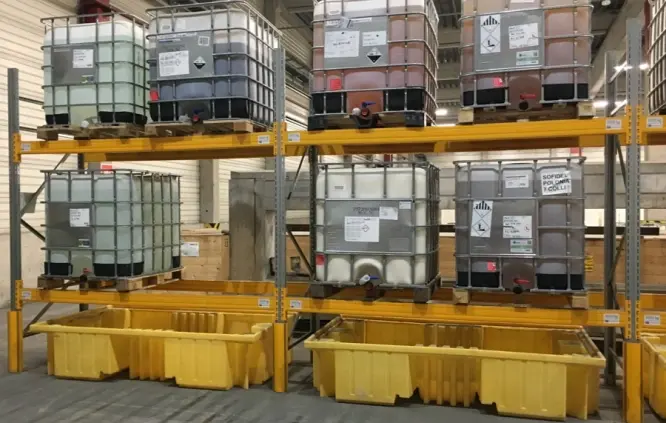
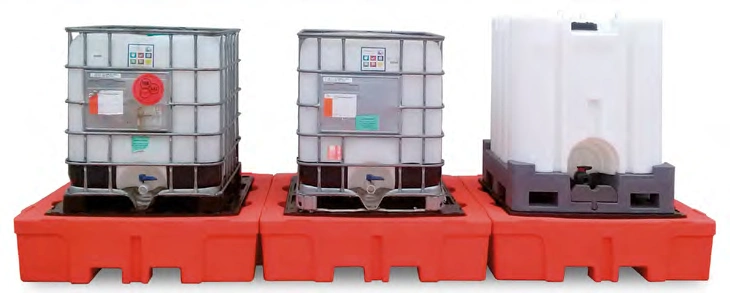
Properly selected and used drip trays truly reduce the risk of accidents and environmental incidents.
You need a spill containment tray in order to comply with environmental protection regulations. Especially in cases where your business involves the processing of hazardous substances.
Spill pallets are required in industries such as: chemical, cosmetics, pharmaceutical, automotive, and food.
In what situations do you need spill pallets and trays:
- In the case of processing and manufacturing chemical substances, as well as other hazardous materials that may contaminate soil and water.
- For the maintenance or cleaning of industrial equipment, such as engines, machines, and tools. In this way, sediments and contaminants will not spill onto the floor. You will avoid the danger associated with slipping. Greases and oils will not enter the sewage system and will not contaminate water.
- Vehicle servicing - especially in the case of oil changes, lubrication, and other activities requiring the handling of chemical substances.
- Storage and transport of hazardous substances - spill containment trays are also necessary for substances such as fuels, paints, solvents, and chemicals.
A spill containment tray is an essential element of protection for employees and the environment - air, water, and soil.
A company should comply with environmental protection and occupational safety regulations. The regulations require the use of spill containment trays and other anti-pollution protection devices, and to limit spills so that they do not lead to further dangerous consequences.
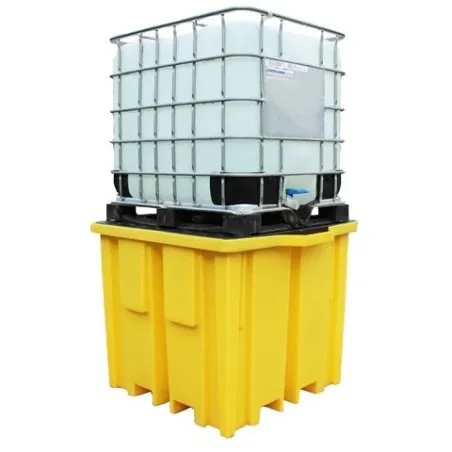
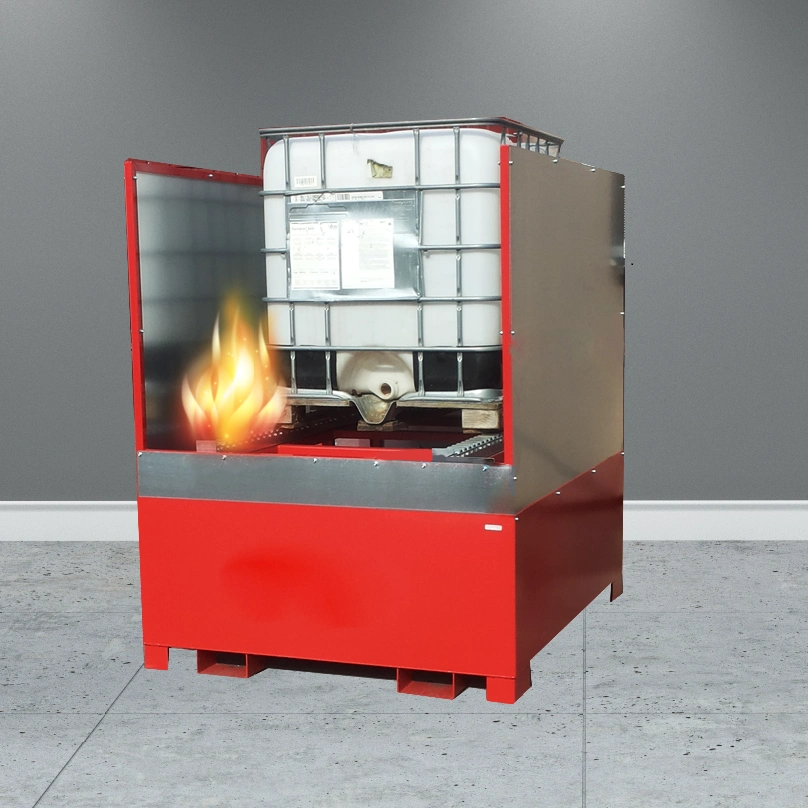
Regulations and provisions demonstrating the legal basis and obligation to use/operate spill trays and drip trays:
The Labor Code, Article 207, clearly states that: The employer is obliged to protect the health and life of employees by ensuring safe and hygienic working conditions with the appropriate use of the achievements of science and technology.
1) organize work in a manner ensuring safe and hygienic working conditions;
2) respond to needs in the field of ensuring occupational health and safety and adapt the measures taken to improve the existing level of protection of employees' health and life, taking into account changing working conditions;
In paragraph 95. 1. you will find guidelines regarding the storage of liquid substances:
“When storing hazardous liquid material in fixed tanks, appropriate protection against spills and the spread of the tank contents in the event of damage should be used, such as trays, gutters, channels, reserve tanks.”
In the regulation concerning Occupational Health and Safety, in paragraph 11, you will read:
“The workplace should be equipped with devices preventing pollution or contamination, to a degree harmful to human health, of the air, soil and water – by chemical substances, radioactive agents or biologically infectious agents, in connection with production or other activity of the workplace."
Regulation of the Minister of Internal Affairs and Administration of 19 February 2020, in the context of storing and warehousing flammable liquid waste:
The primary function of a spill containment tray is prevention – preventing leaks of hazardous substances: not only into the soil or stormwater system, but above all into the area where employees are present who are not protected against contact with such a mixture.
How to choose the right spill containment tray capacity?
At present, regulations in Poland do not specify exact guidelines for the size of a spill containment tray. The principle adopted in the European Union is applied.
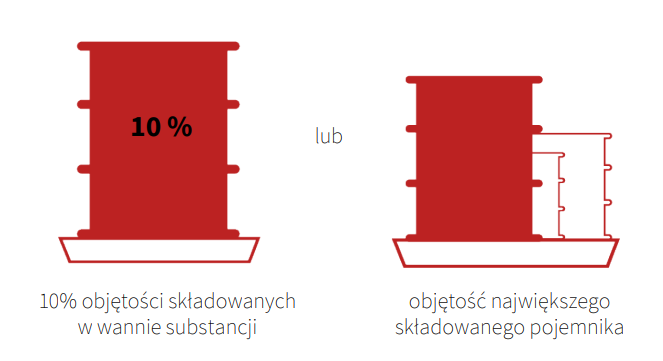
The drip tray should allow collection of a volume equal to or greater than: 100% of the capacity of the largest container or 10% of the volume of all stored substances.
Compare both values and choose the larger one.
The exception is a situation in which there is a risk of a hazardous substance entering groundwater - in that case, you should ensure 100% containment volume.
Example of calculating the minimum containment tray volume:
Storage: 4 drums, two containers have a capacity of 100 l each, two have 200 l each.
10% of the total amount of stored substances is 10% x 600 l = 60 l.
In this case, the required minimum capacity is 200 l, because that is the capacity of the largest tank.
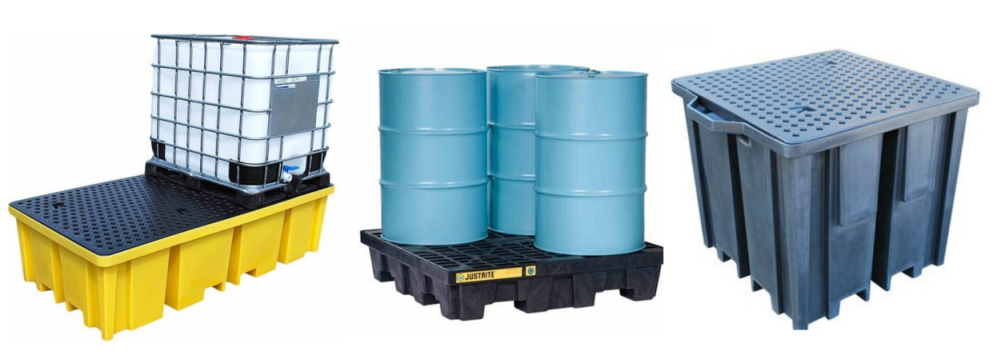
Types of spill containment trays:
POLYETHYLENE - intended for contact with acids, corrosive substances, hazardous to water.
Resistant and durable against mechanical damage and most hazardous substances. Polyethylene trays meet the requirements of the following regulations: EPA, SPCC, OSHA, NFPA1 and international environmental protection regulations.
Choose the right polyethylene tray for yourself.
PAINTED STEEL - ideal for storing flammable substances, hazardous to water.
See products from our offer.
.webp)
STAINLESS STEEL - intended for storing flammable, corrosive substances, hazardous to water.
Designed for storing containers with flammable substances. Suitable in situations where a non-standard tray size is necessary.
See steel spill containment trays.
.webp)
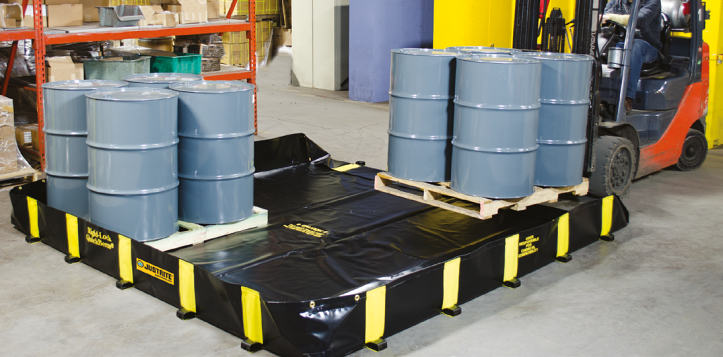
Use flexible trays during transport, unloading, and loading of hazardous substances.
In our offer you will find flexible trays that you can quickly unfold and fold. The compact size allows for carrying and quick use.
Use them during the transport of hazardous substances, in emergency situations, and as a preventive measure.
In the article below you will find tips on what to pay attention to when choosing drip trays.
CHOOSING A SPILL CONTAINMENT TRAY
Remember that the best way to deal with a leak is to stop it before it even happens.
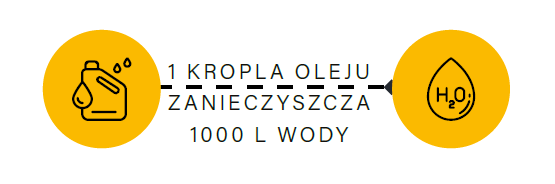
Oil and hazardous chemical spills spread quickly, especially when they reach water. Even a small amount of oil will contaminate a large amount of water. Therefore, implementing appropriate secondary containment measures, i.e. spill containment trays and drip trays, is of key importance.