Wiedza
- Case study - implementation of the LOTO system in a production plant
- Lockout/Tagout - what is it and why is it worth introducing LOTO?
- Why is it worth implementing a LOTO system with Marcin from 4safety?
- Case study: implementation of a flexible barrier system in a manufacturing plant!
- Steel or flexible: which industrial bumpers should you choose?
- Case study: protection of high-bay racking with a flexible barrier system
- How to safely store lithium-ion batteries?
- Explosion of lithium-ion batteries — how to avoid it?
- Hazardous substances in the storage container
- Safe crane operating zone
- LED safety projectors
- Classification of flexible barriers
- Everything about IBM
- Do It Yourself - industrial printers
- The meaning of the padlock in the LOTO system
- Why is it worth using ergonomic mats?
- Anti-slip protections
- A catch basin is good practice or a regulatory requirement?
- Industrial shelving - types and applications
- About employee comfort and safety
- Frost and structural monitoring of the facility
- What information should a nameplate contain?
- How to prevent accidents with safety containers?
- Fire-resistant cabinet – what should you pay attention to when buying?
- Selection of a spill containment tray
- Hazardous substances - what to do in the event of a leak?
- Hazardous materials under the supervision of an ADR advisor
- What problems do industrial barriers solve?
- Color coding of pipelines – colors, arrows, inscriptions
- Lasers for communication routes
- Natural neutralization of substances
- Energy-intensive barriers – Types, characteristics and application
Do It Yourself - industrial printers
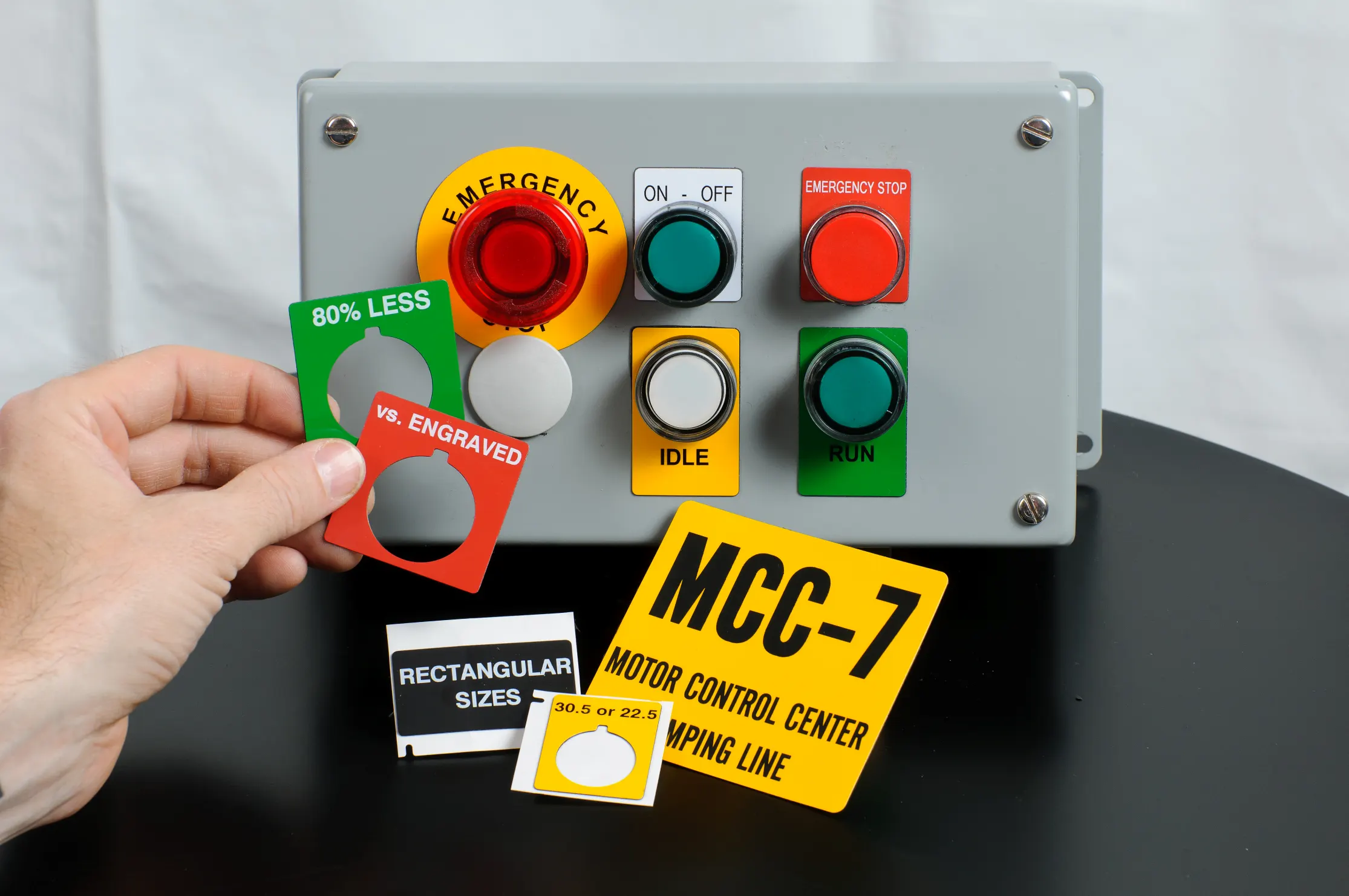
Industrial label printers are an indispensable tool in every facility that focuses on safety, efficiency, and work organization.
Using printers allows for the quick and precise creation of labels, information plates, and safety signs, which is crucial for maintaining order and minimizing risk in the workplace.
Why is it worth having such a printer in the workplace?
It gives full control over marking, enabling the creation of personalized markings tailored to the specific needs of production. This is not only a time saver, but also a key element in raising safety standards and ensuring compliance with industry standards and regulations.labels
Types of printing
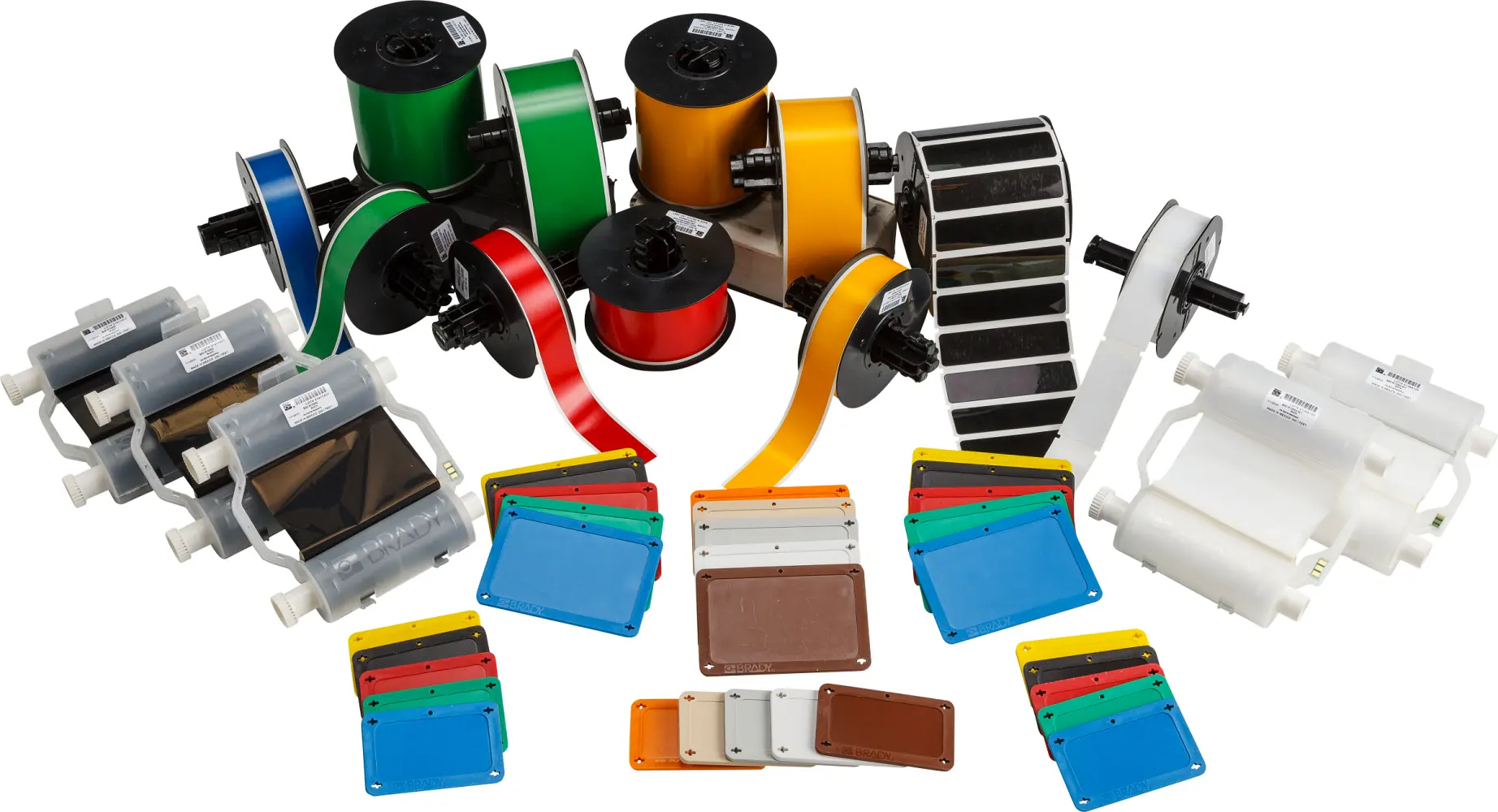
In today’s world, we encounter various kinds of stickers or labels at every turn. Proper marking and identification are an important element of most production stages as well as virtually all finished products. Depending on the application and the expected properties of the label, you can choose from many printing methods, including screen printing, digital printing, flexographic printing, or thermal transfer printing. Each of them has its advantages and disadvantages, limitations and possibilities.
Thermal transfer
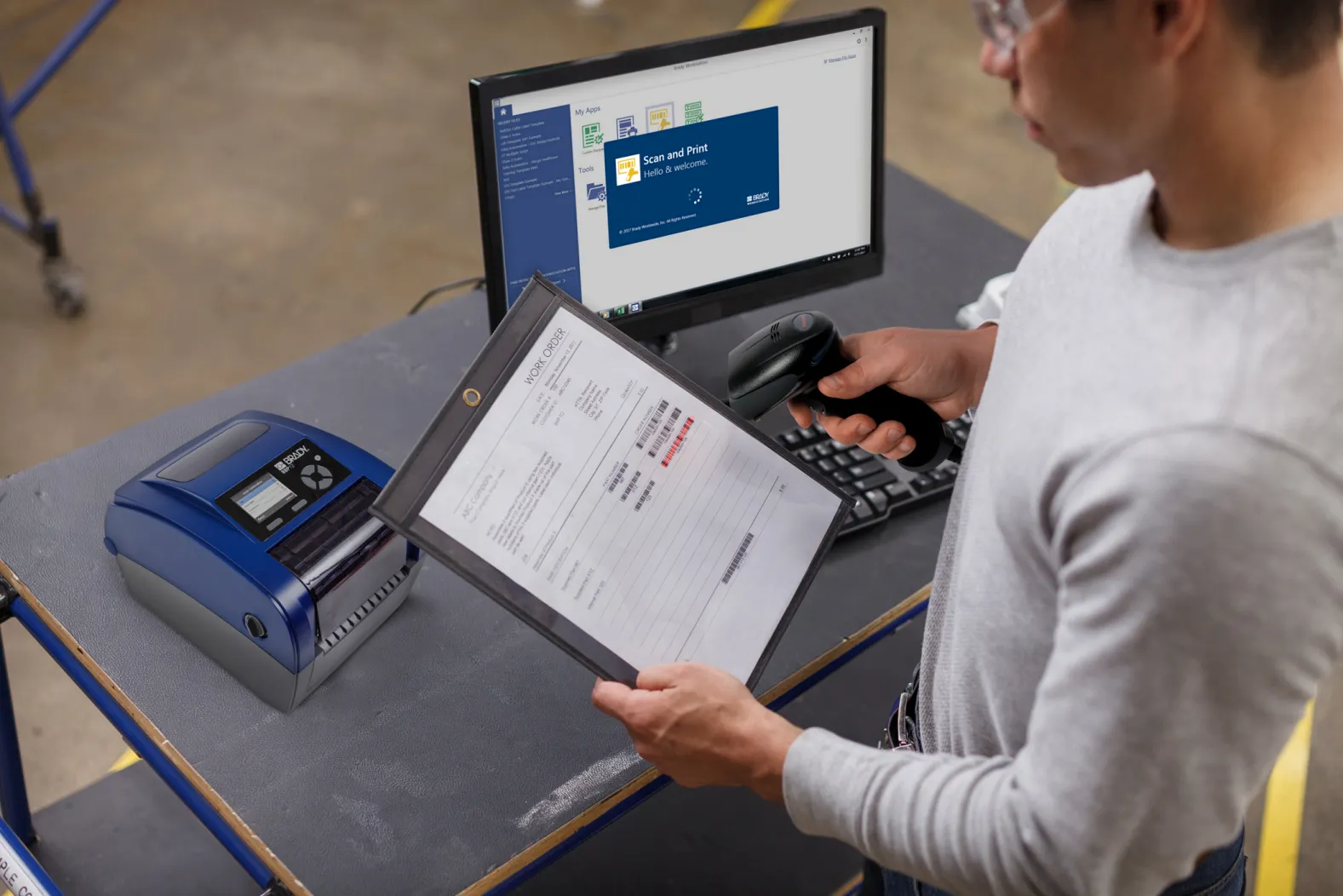
Undoubtedly, however, the best combination in terms of the variety of materials that can be printed on and the availability of the method itself is thermal transfer. The print itself is characterized by high durability and resistance to harsh conditions, which is why virtually every company today has a thermal transfer printer. Depending on needs, it can be used in warehouses to prepare logistics labels, shelf labels, workplace visualization, electrical cabinets, marking during production processes, but above all for marking finished products. There are countless applications, and labels are used in various industries, including:
* aviation,
* automotive,
* processing
* food industry,
* electrical industry,
* telecommunications,
* laboratories and many others, and it all depends on which consumables we choose.
Marking management
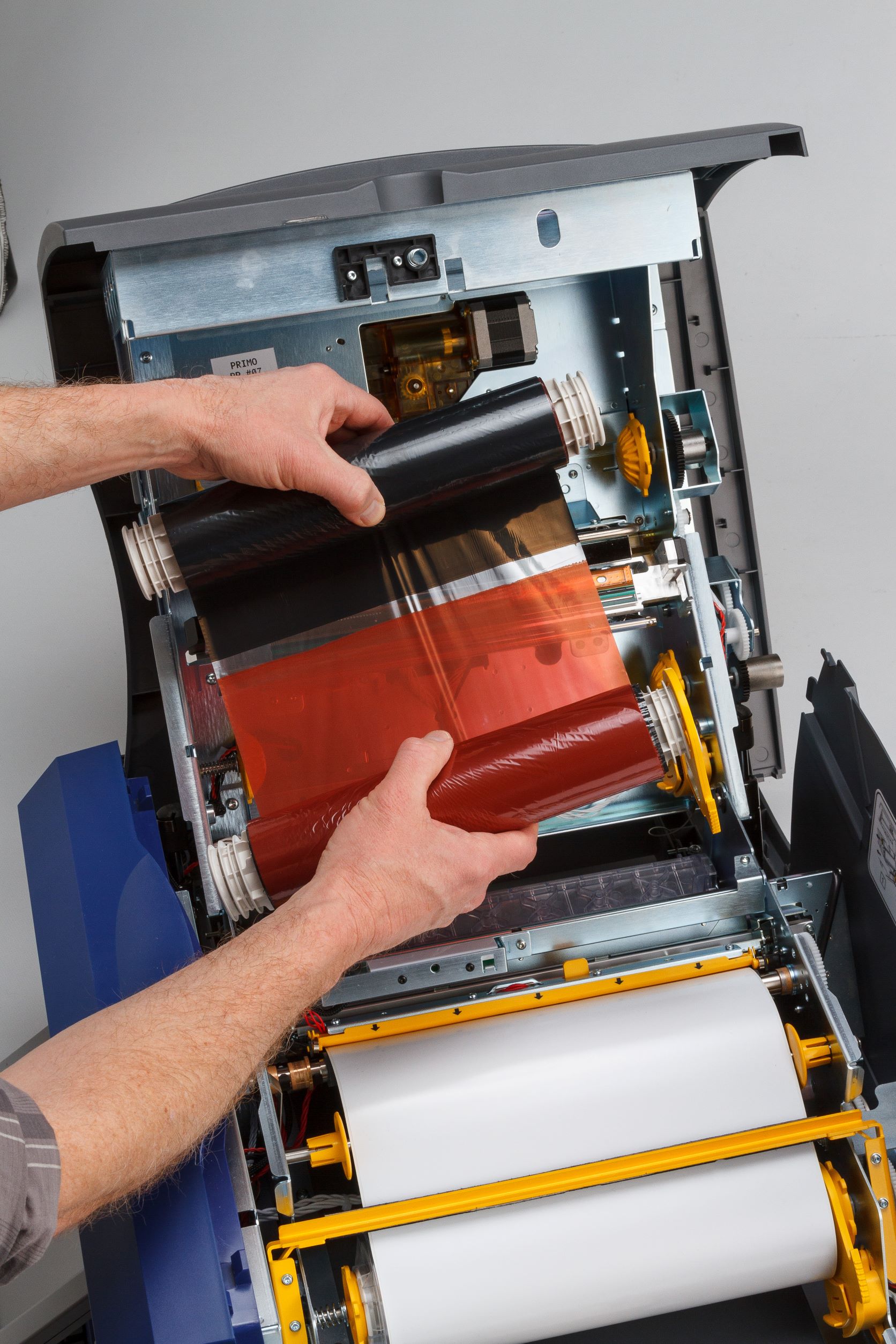
A properly selected label is only half the battle, because it is also necessary to have a printer with software that will allow for design and proper printing. Both for materials and printers, we work with Brady, which, in addition to products typically related to safety (Lockout/Tagout or Scafftag), is undoubtedly one of the global leaders in marking and identification.
In our offer, you will find a wide selection of Brady products, and you will also benefit from the help of an expert in this field who will choose the best solutions tailored to your needs.

Brady
In response to market demand and the growing importance of proper quality identification, Brady offers a wide range of devices which, depending on the place and scope of application, the performance and size of the printer itself, and the labels, allow you to choose the right option. Among the available solutions, we can find everything from the smallest handheld mobile printers to specialized devices that allow printing tens of thousands of labels per day.
Types of industrial printers
Brady's printer offering can be divided into 4 categories:
- portable printers,
- desktop printers,
- graphic printers,
- specialist printers.
.webp) https://www.youtube.com/watch?v=9VCGTmqrMxU
https://www.youtube.com/watch?v=9VCGTmqrMxUPortable printers
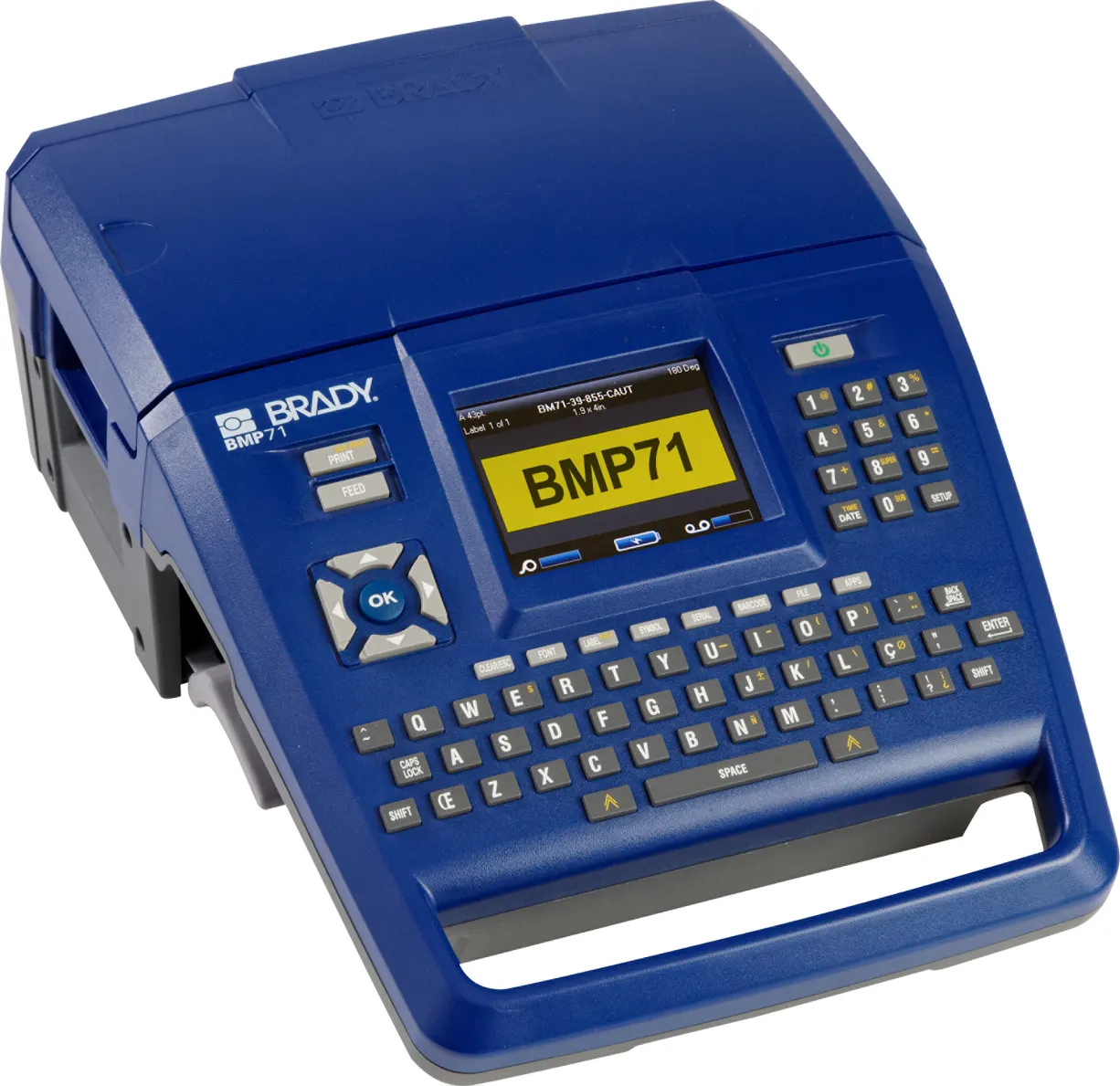
Portable printers primarily provide ease of use anywhere, whether in the office, in production, or while working in the field, during service, or installation at the customer's site. In most cases, they allow standalone operation, designing and generating prints directly from the printer as well as via a computer and dedicated BRADY WORKSTATION software. The range of mobile printers is broad enough that we can choose from devices with different label printing ranges from 6 to 50 mm in width, performance of up to 1000 labels per day, and even dozens of different types of consumable materials. Each printer, thanks to the technology used, benefits from an autodetection and autocalibration system, which significantly facilitates and speeds up work with the selected printer. The technology used minimizes material losses related to the need to calibrate the roll of labels and saves the time associated with having to adjust the label size to its design.
 https://www.youtube.com/watch?v=lrlwgJOIhQQ
Desktop printers
The basic and most universal desktop printer - BBP12“Desktop” printers are, at first glance, the most common and most popular devices, operating via a computer and dedicated software. Of course, in this area we can also choose from printers with different performance levels (from several hundred labels in the case of BBP12 desktop printers to several tens or even hundreds of thousands of labels per day in the case of typically industrial printers, e.g. the i7100 model). In addition to the performance of the printing module itself, what we want to print is also important, because depending on the application, printers are equipped with heads with different resolutions; the standard is 300 DPI - this is sufficient for printing most standard labels, nameplates, or markings with barcodes and simple graphics. However, it happens that much greater precision and print accuracy on small labels is required (laboratory or electronics industry), and then printers with 600 DPI heads are ideal.