Our regional advisors will help you choose a product tailored to your needs | We provide installation, service, and inspections! | Only trusted suppliers!
Shopping cart (0)
- Products
-
Services
- Spill response training
- Lockout Tagout implementation
- Inspection and maintenance of safety cabinets
- Lockout Tagout training
- Office equipment and layout
- Selection and installation of industrial matting
- Delivery and installation of flexible barriers
- Marking of traffic routes
- Traffic risk assessment audit
- ATEX technical audit
- Selection and installation of industrial safety fencing
- Catalog
- Case study
- Blog
- About us
- Contact
CASE STUDY: Replacement of steel barriers with flexible ones in a packaging production plant for the food industry
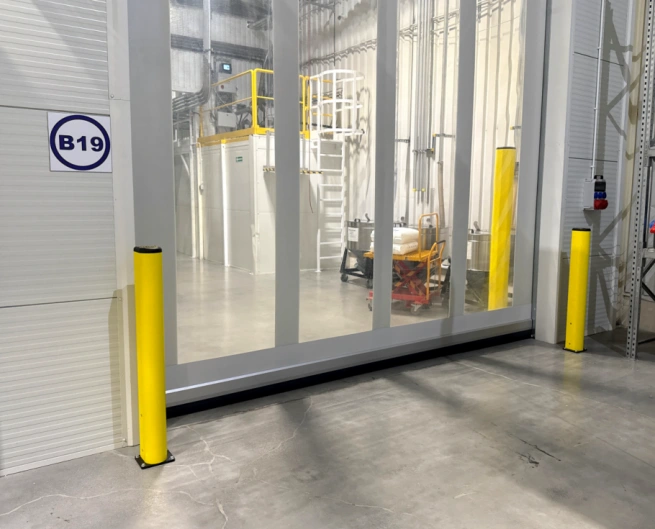
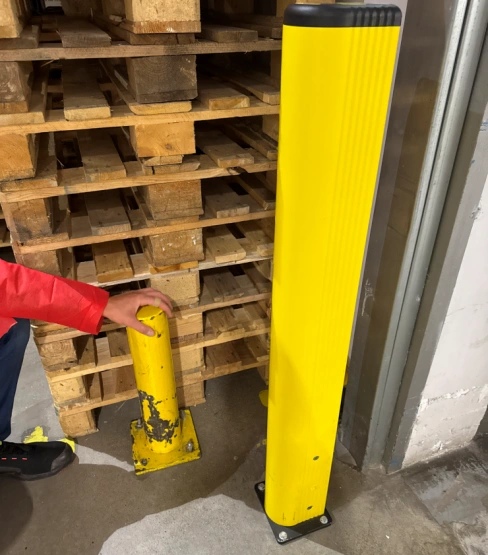
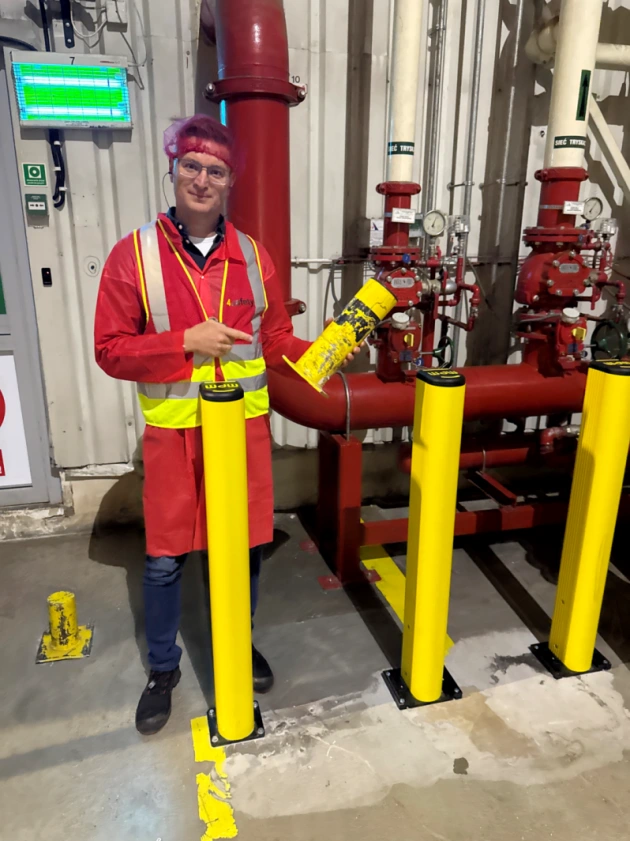
What does the production plant look like BEFORE and AFTER the introduction of flexible barriers?
In this article, we showcase a real-life implementation at a packaging production plant for the food industry.
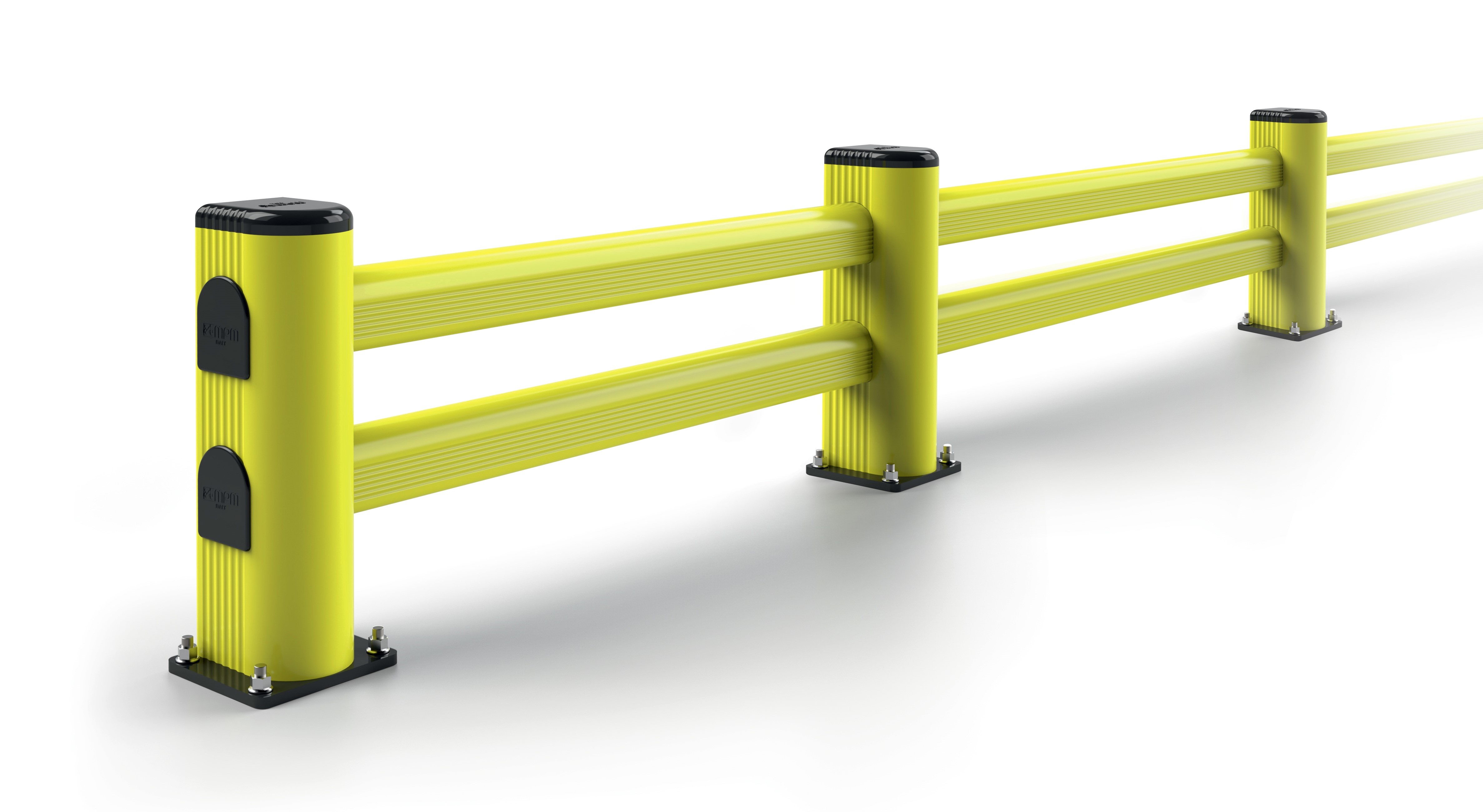
Steel barriers have been replaced with flexible safety systems that spring back into place after being struck.
Results of the implementation:
- less damage to infrastructure
- fewer downtimes and repairs
- greater order and safety for people and machinery
- realny continuous improvement
Visit our client’s facility and see how we optimise safety in practice!
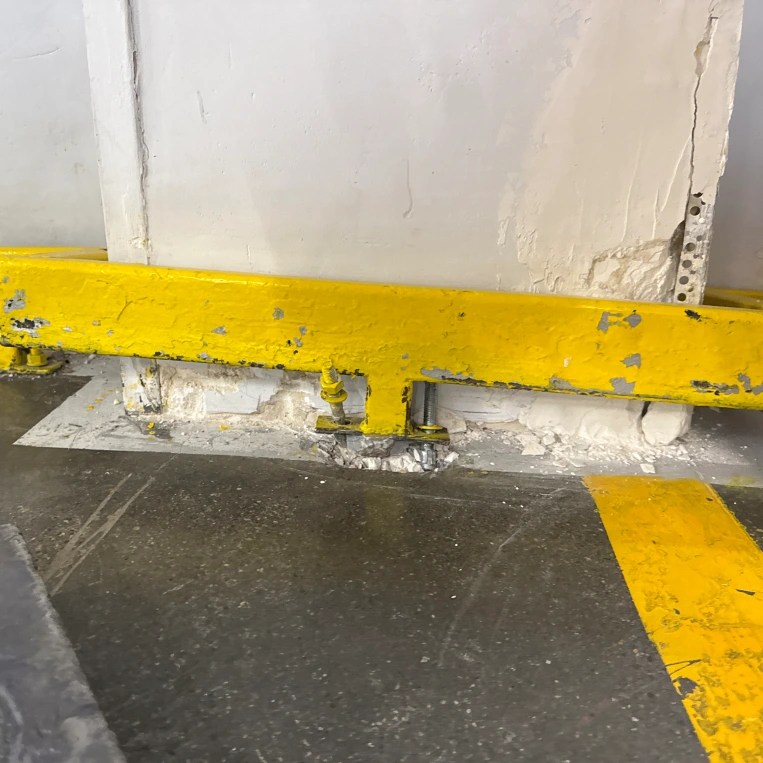
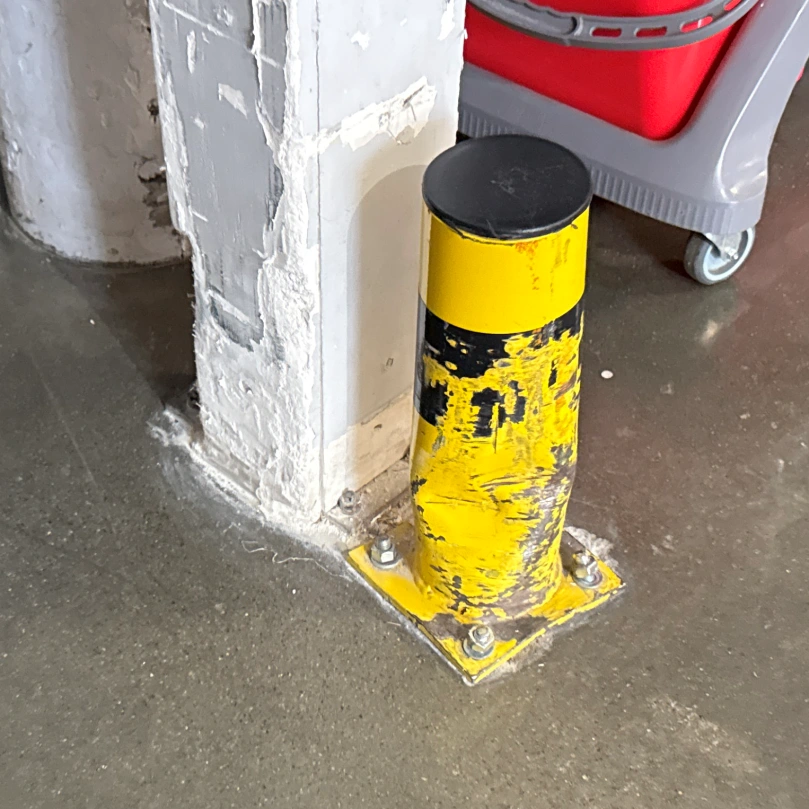
When struck by forklift trucks, the steel barriers would become deformed, damage the floor and fail to provide adequate protection for staff and infrastructure, resulting in the need for floor repairs, the replacement of barrier components, increased costs and downtime.
The challenges and problems facing the plant, as they stood:
- damaged steel barriers and their replacement with new ones
- uprooted anchors and a cracking, crumbling floor
- costly repairs
- damage to walls, corners and structural columns
- rising living costs
- blocking access routes during maintenance work
- unplanned production and logistics stoppages
- intersecting routes
- hazardous situations at critical points (warehouse ↔ production)
Solution – improving traffic management
and installing flexible barriers
Inspection and Audit of Plant Areas
Identification of Collision Zones
Designation of Safe Traffic Routes
Identifying the locations of changes
Replacing Steel Barriers with Flexible Ones
Barrier Tests and Practical System Testing
Read the reports on the installation of barriers at the plant and an interview with Jakub Serafin, Technical Director, and Wiktor, Junior Infrastructure Engineer.
Results – ‘After implementation’
- employee safety thanks to a genuine and permanent separation between pedestrians and forklift trucks
- a lower risk of accidents and adverse events
- a higher auditing standard
- fewer floor repairs and barrier replacements
- longer service life of the safety devices
- lower infrastructure repair costs
- smoother traffic flow
- improving the appearance and standard of the facility
- fewer collisions and ‘traffic jams’, and a faster flow of materials
And what about production? It’s in full swing! There’s less downtime, better flow and a calmer atmosphere
Partnership and openness in the implementation of innovation
This implementation would not have been possible without the excellent cooperation with the client’s team. A key factor was the openness of the management and staff to new technologies and their trust in the 4safety team. Rather than repeating old, ineffective patterns (“that’s how it’s always been done”), the plant team was open to new and better solutions. At the same time, we focused on evolution rather than revolution, and on implementing changes in stages. This was to avoid disrupting the plant’s operations, to allow everyone to get used to the changes, and to keep within budget.
The management team has demonstrated that innovation in the industrial sector is a genuine competitive advantage.
Do you have steel barriers on your premises? Would you like to replace them with flexible ones? Get in touch with us and book an appointment!
Related posts
Case study: implementation of a flexible barrier system in a production plant!
Case study - implementation of the LOTO system in a manufacturing plant